48 hours in Tokyo: navigating visa rules, costs, and what actually fits
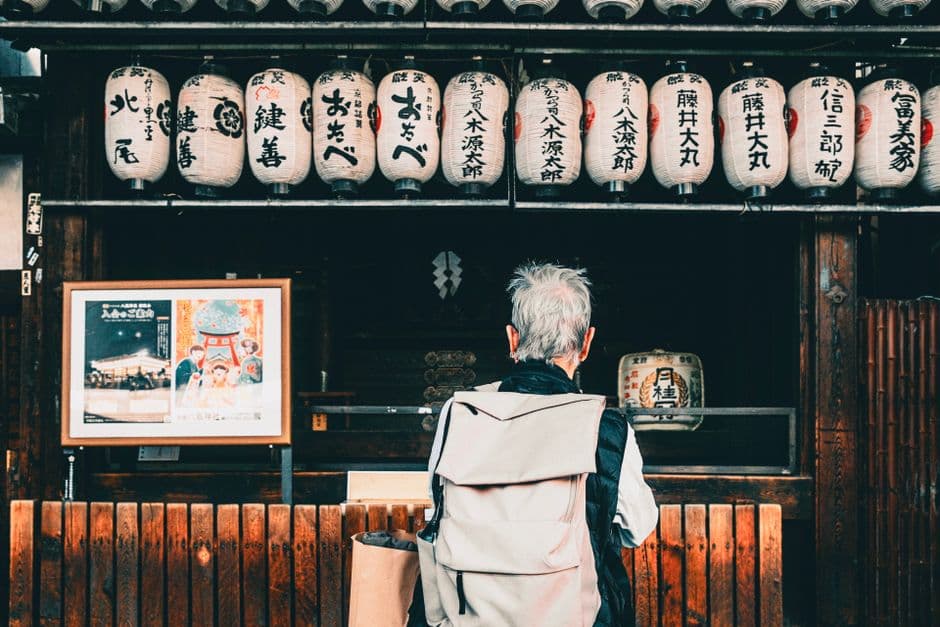
Forty-eight hours is enough to see Tokyo's essentials if you stay realistic: one or two neighborhoods per day, a mix of free landmarks, and no attempt to "do" the whole city. U.S. citizens can enter visa-free for stays under 90 days, which keeps planning simple — the trip takes shape around a tight but unhurried two-day loop.
What should day one look like?
Start with the free sights that anchor central Tokyo: Meiji Jingu for a quiet morning, then the Government Building observation deck for a skyline view at no cost. Round out the afternoon or evening at Shibuya Crossing, one of the city's signature moments and also free. On a budget day (around ¥4,000), stick to convenience stores and ramen for meals. If you'd rather sit down for proper meals and add a paid view or two, budget ¥8,000–¥9,000 for a comfortable mid-range day. A higher-end day with better dining runs around ¥15,000. This itinerary structure comes from a single tourism authority source, so treat it as a solid starting framework rather than the only right answer.
What should day two look like?
Use the second day to repeat the same low-stress formula — pick another pocket of the city, lean on free landmarks, and let meals set the budget tone rather than overplanning transit. Specific transit times and schedules weren't available here, so build in buffer time between stops rather than chaining them tightly.
What paperwork do I need before I land?
Bring a valid U.S. passport covering your entire stay with at least one blank page for an entry stamp. Complete immigration and customs declarations in advance through Visit Japan Web to speed up arrival at major airports. If you're carrying more than ¥1,000,000 in currency, you must declare it to Customs. For medication, up to a 30-day supply of personal prescriptions is generally fine, but controlled substances and amphetamine-based drugs like Adderall are prohibited — check this before packing.
What about safety and emergencies?
Japan is disaster-prone, and earthquakes, tsunamis, or heavy rain can disrupt transit or close sights without warning; the Safety tips app gives early warnings in 15 languages. For urgent help, dial 110 for police or 119 for fire and ambulance. Private travel insurance with medical coverage is strongly recommended — Japanese hospitals aren't covered by home-country public insurance, and unpaid bills can even affect future entry. It's also worth enrolling in the State Department's STEP program before you go for embassy alerts.
Most weekend visitors skip driving altogether, since it requires an International Driving Permit obtained before arrival and Japan enforces a strict 0.03% blood-alcohol limit, with harsh penalties for DUI or reckless driving. Staying on foot and public transit avoids all of this.
FAQ
Do I need a visa for a 48-hour trip? No — U.S. citizens can enter visa-free for stays under 90 days for non-revenue visits.
Is travel insurance really necessary for just two days? Yes — it's strongly recommended since Japanese hospitals aren't covered by home public insurance, and unpaid costs can jeopardize future entry.
Can I rent a car to save time? You could, but it needs an International Driving Permit from AAA beforehand plus Japanese compulsory insurance, and most short-term visitors skip driving entirely.
Sources
- https://www.seattle.us.emb-japan.go.jp/itpr_en/TravelingJapanQuickFacts.html
- https://www.tokyotourism.org/tokyo-weekend-itinerary/
- https://www.gov-online.go.jp/hlj/en/december_2025/december_2025-09.html
- https://www.japan.travel/en/plan/
- https://travel.state.gov/en/international-travel/travel-advisories/japan.html
Related Topics
Stay Connected Anywhere
Prepaid eSIM data plans for 180+ countries and territories. No physical SIM required.