Can you visit Nepal's heritage sites in a wheelchair?
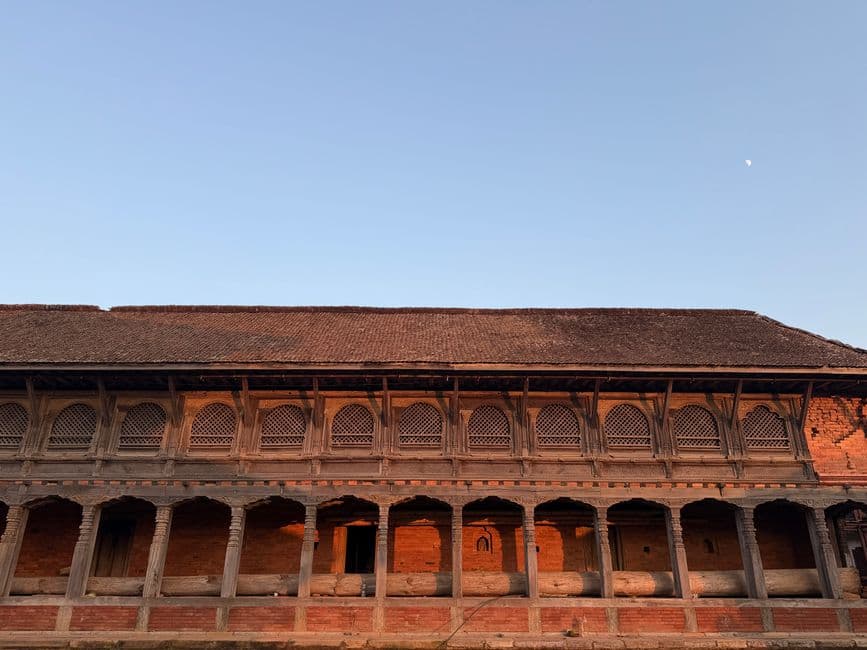
Nepal is honest about its limits here: it is not an easy destination for wheelchair users or travelers with reduced mobility, mainly because of rough roads and steep, uneven terrain. That said, a handful of sites and cities have made real accommodations, so a trip is possible with the right planning and realistic expectations.
Is trekking possible with a wheelchair?
Not on the famous trails. Wheelchair trekking is almost impossible on routes like Everest and Annapurna. There are a couple of exceptions: short routes around the Kathmandu valley, a wheelchair trekking trail in Kaski, and a wheelchair-friendly trail near Banepa introduced by Spinal Injury Sangh Nepal. Even on these, a standby vehicle is recommended since the paths aren't fully wheelchair-friendly throughout.
Which heritage sites are actually accessible?
It's mixed, even among sites with the same UNESCO status. Pashupatinath Temple and Swayambhunath Stupa, both near Thamel, do not welcome wheelchair users. By contrast, Patan Durbar Square and Bhaktapur Durbar Square offer wheelchair access, and Changu Narayan Temple is accessible with some difficulty. Boudhanath Stupa stands out for its wide circumambulation path and calm atmosphere, making it genuinely wheelchair-friendly. For views without trekking, Chandragiri Hills can be reached by cable car with ramps and wheelchair-friendly facilities, overlooking the Kathmandu Valley and Himalayan peaks.
What about Pokhara and beyond?
Pokhara is a better base for reduced-mobility travelers than most of Nepal. It has a wheelchair-friendly lakeside promenade at Phewa Lake, plus accessible hotels and restaurants. The World Peace Pagoda viewpoint and a scenic drive to Sarangkot are also workable without trekking. Organized wheelchair tours — softer, paved-road itineraries rather than treks — are available in Kathmandu, Patan, Bhaktapur, Pokhara, Chitwan, and parts of Mustang.
How do you actually get around?
This is Nepal's biggest accessibility hurdle. Roads are often pot-holed, dusty, or muddy, and roadwork and traffic jams can add hours to any journey. Private cars ride more comfortably than public buses but cost more; jeeps or vans handle hilly terrain better than standard taxis. Pre-book a vehicle with ramp access or a driver familiar with disability-friendly routes — these are now available in Kathmandu and Pokhara with dedicated drivers and guides. For long distances, domestic flights can cut travel time drastically (30 minutes versus 10 hours between Kathmandu and Pokhara by road), but weather delays, cancellations, and maintenance standards below international norms are real risks to factor in.
FAQ
Can I visit Nepal's main heritage sites in a wheelchair? Some, yes — Patan Durbar Square, Bhaktapur Durbar Square, Boudhanath Stupa, and Chandragiri Hills are accessible, while Pashupatinath and Swayambhunath are not.
Is any trekking possible for wheelchair users? Only on a few short, specific routes — near Kathmandu valley, in Kaski, and near Banepa — not on major trails like Everest or Annapurna, and a backup vehicle is still advised.
What's the best way to travel between cities? Domestic flights save significant time over road travel, though they carry weather and maintenance risks; private vehicles with ramps, pre-booked in advance, are the more reliable ground option.
Sources
- https://www.lonelyplanet.com/articles/getting-around-nepal
- Open To All: A Survey on Accessibility for Persons with Disabilities in Nepal's Hotels
- Wheelchair accessible tours and trekking in Nepal: Opportunities and challenges | Notify Nepal
- https://www.nepal-tours.com/nepal-as-an-accessible-travel-destination/
- https://exploreallaboutnepal.com/wheelchair-accessible-tours-in-nepal/
- Public transport still inaccessible to people with disabilities
- CR_Nepal_2021
- https://accessiblenepal.com/travelling-with-a-disability-in-nepal/
Related Topics
Stay Connected Anywhere
Prepaid eSIM data plans for 180+ countries and territories. No physical SIM required.