Accessible travel in the UK: what actually works outside London
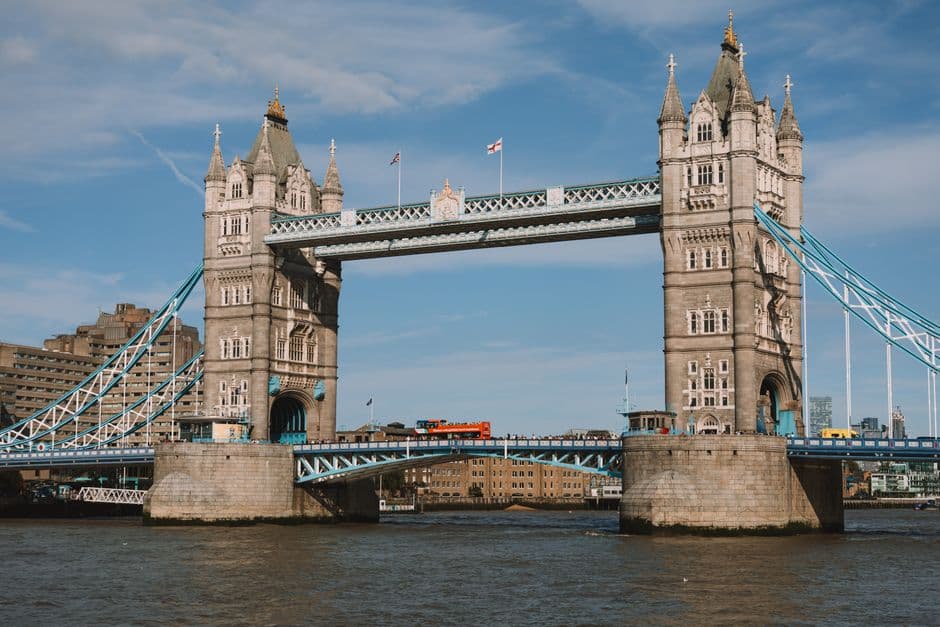
The UK is genuinely workable for reduced-mobility travelers in its big cities, and considerably harder once you leave them. London, Manchester, Birmingham, and Glasgow all have step-free stations and ramped buses, and legally every new train, taxi, bus, and coach must be accessible under the Equality Act 2010. But coverage is uneven — only a third of the London Underground is step-free — so planning ahead matters more than in destinations with fully accessible transit.
Is the London Underground actually step-free?
Only about one third of it. Transport for London marks step-free routes with signage and lifts, and some stations have been recently updated, but the rollout is still incomplete. Don't assume any given station has a lift — check TfL's step-free maps for your specific route before you travel, and build in extra time in case you need to use a different station or switch to a bus.
What about trains and rural stations?
National Rail and Passenger Assist provide station-by-station access details and guidance for wheelchairs, mobility scooters, and assistance dogs — book journeys through the Passenger Assistance website or app in advance. This matters most outside cities: rural stations can be unstaffed, and the village you're heading to may be a long taxi ride away. Pre-book an accessible taxi from the nearest staffed station rather than hoping to find one on arrival.
Are buses reliable for accessibility info?
Getting there, but not yet uniform. Audible and visible stop announcements are becoming mandatory across most of Great Britain's local buses and coaches between 2024 and 2026, but as of 2021–2022 only 46% of vehicles in England had this equipment (25% outside London), versus 34% in Wales and 22% in Scotland. Operators who don't comply with accessibility regulations can face a criminal offence and fine under the Equality Act 2010, so enforcement is a real backstop — but expect gaps until the mandate fully lands.
Will my disability parking permit or ID work here?
Foreign disability parking permits aren't automatically recognized UK-wide. Some councils informally honor an equivalent home-country badge for on-street parking; others enforce strictly. Check the specific local authority's page before you travel and budget for paid car-park rates as a backup. Paid attractions are more consistent: a home-country disability card or a recent doctor's letter on letterhead is widely accepted for disabled-visitor and free-companion tickets, without needing a UK-specific card.
Getting accessible taxis
Black-cab apps work well for booking accessible taxis in London, Edinburgh, and Glasgow. Outside those three cities, it's more reliable to phone the local operator directly rather than rely on an app.
FAQ
Can I rely on lifts at every Tube station? No — only about a third of the Underground network has step-free access, with signage marking the routes that do. Check TfL's step-free information for your specific journey.
Do I need to book train assistance in advance? It's strongly advisable, especially for rural stations, which may be unstaffed. Use Passenger Assist to arrange help and check access details ahead of travel.
Will my home country's disability parking badge work? Not automatically. Some councils accept equivalent home-country badges informally; others don't. Confirm with the local authority before you travel.
Sources
- https://wheelietravel.com/en/guides/united-kingdom
- https://www.visitbritain.com/en/plan-your-trip/accessible-britain
- Step-free access - Transport for London
- https://www.gov.uk/government/publications/providing-accessible-information-onboard-local-bus-and-coach-services/providing-accessible-information-onboard-local-bus-and-coach-services
- https://www.gov.uk/government/publications/accessible-buses-and-coaches/bus-and-coach-accessibility-and-the-public-service-vehicle-accessibility-regulations-2000
Related Topics
Stay Connected Anywhere
Prepaid eSIM data plans for 180+ countries and territories. No physical SIM required.