Bahamas Safety & Travel Tips: What You Need to Know
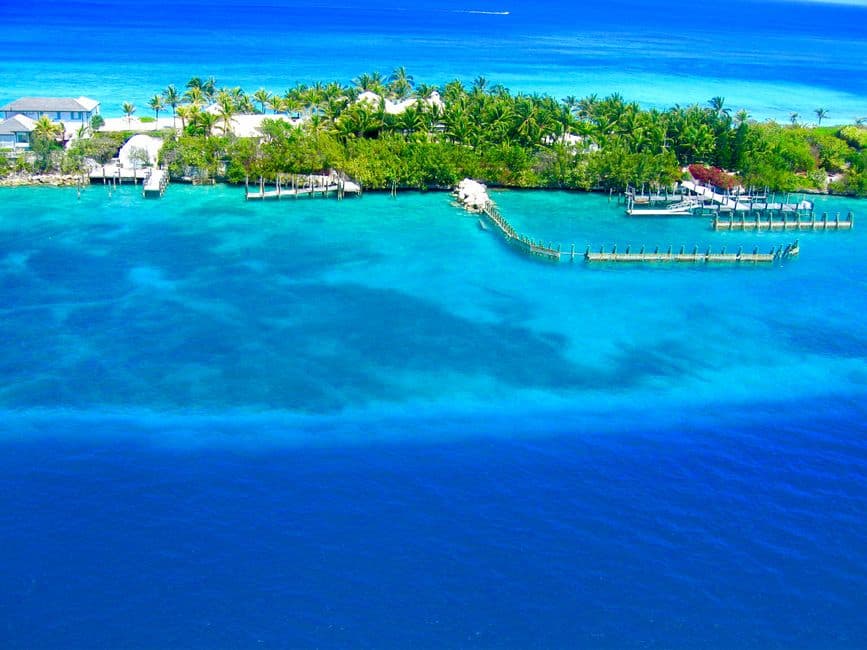
The Bahamas is a Level 2 destination (Exercise Increased Caution) — it's a safe, welcoming place for most visitors, but crime, water hazards, and strict local laws mean you need to stay alert and plan ahead. The good news: the risks are well-documented and easy to manage with common sense.
What documents and rules do I need?
U.S. citizens need a valid passport (valid throughout your stay, with two blank pages) — no visa required for stays up to 90 days. Firearms and ammunition are illegal, even in small quantities brought by mistake; police enforce this strictly at airports, and violators face arrest, jail, and fines. Marijuana and all CBD/THC products are illegal too — a medical prescription does not exempt you. If carrying $10,000 or more in currency or negotiable instruments, declare it on entry and exit.
How safe is it from crime?
Violent crime — armed robbery, burglary, sexual assault — can occur anywhere, though most happens in Nassau and Freeport. Avoid the "Over the Hill" area south of Shirley Street in Nassau due to gang activity. Don't resist if robbed. Lock doors and windows, use balcony security features, don't open your door to strangers, and stay alert in vacation rentals without private security. Sit in the back seat of taxis.
What about driving and getting around?
Driving is on the left; seatbelts and helmets (for scooters/motorbikes) are required. Nassau traffic is aggressive, and rural roads are often narrow and poorly maintained, with frequent flooding after storms. Avoid night driving due to poor lighting. If you drive, get an International Driving Permit and confirm your insurance covers international liability. For taxis, agree on the fare before departing since rates are zone-based with surcharges for extra passengers or luggage. Jitneys (minibuses) stop frequently, often without warning.
Is swimming and boating safe?
Never swim alone — sexual assaults have occurred on and near downtown Nassau beaches, and there's shark attack risk. Some swimmers/snorkelers have died from overestimating their fitness or health. Watch for jet skis operating close to shore. Boating is loosely regulated: injuries, deaths, and sexual assaults by jet ski operators have been reported, and some operators are unlicensed or uninsured — U.S. government employees are barred from renting jet skis from independent operators on New Providence and Paradise islands. For any boat tour, confirm the operator's certification, liability coverage, and safety protocols, and don't go out in rough seas or bad weather, as operators sometimes ignore forecasts.
What else should I plan for?
Hurricane season runs June–November; monitor local weather, since airports and seaports shut down well before a storm hits. Enroll in STEP for embassy alerts, and get travel insurance covering medical care, evacuation, and cancellation. Staying connected helps you track weather alerts and reach help quickly — see /destinations/bahamas for eSIM options if you want data on arrival.
FAQ
Do I need a visa to visit The Bahamas? No — U.S. citizens can stay up to 90 days visa-free with a valid passport.
Can I bring CBD products or a firearm? No. Both are illegal regardless of prescriptions or small quantities, and enforcement is strict.
Should I rent a jet ski from a beach vendor? Be cautious — regulation is inconsistent, some operators are unlicensed/uninsured, and incidents have occurred; verify credentials and safety protocols first.
Sources
Related Topics
Stay Connected Anywhere
Prepaid eSIM data plans for 180+ countries and territories. No physical SIM required.