Belgium's Unwritten Rules: Greetings, Table Manners & Social Etiquette
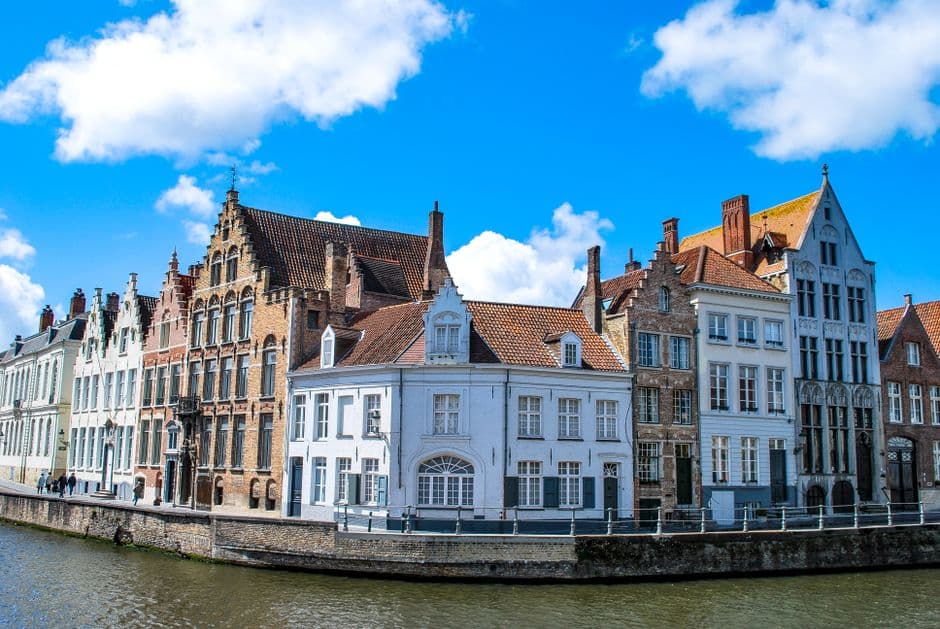
Belgium runs on quiet formality: a firm handshake for strangers, careful table manners, and genuine discomfort with lateness or wasted food. Get the greetings and dining basics right and you'll blend in fine.
How do Belgians greet each other?
Shake hands on a first meeting or in formal settings, giving your name and a friendly "nice to meet you." Once you know someone better, three cheek kisses become common — though in Flanders this is typically reserved for greeting women, with adult men sticking to handshakes. Use the formal "you" (u in Dutch, vous in French) with people you don't know well or in professional contexts, switching to the informal form and first names only once you're on familiar terms. Belgians keep body language minimal — maintain eye contact, smile, and skip big gestures. Personal space matters too: keep roughly an arm's length between you and the person you're talking to.
What about punctuality?
Being late is considered rude, especially if a specific time was agreed. If you're going to be more than a couple of minutes behind, call or text ahead to let the other person know.
What are the dining dos and don'ts?
Keep your hands visible at the table and elbows off it during the meal (elbows are fine between courses). Eat with both hands — fork in the left, knife in the right, unless you're left-handed — except for soup and dessert. Don't speak or drink with food in your mouth, and chew with your mouth closed. Wait for the host to start eating, and wait for a toast before drinking, unless you're at a restaurant. When finished with soup, tea, or dessert, rest the spoon beside the dish rather than in it; for other courses, place cutlery in the middle of the plate.
If dishes are shared, pass them to your right. Praise the host's cooking; if you're not keen on something, a soft line like "it's different from what I'm used to" works better than direct criticism. Take only what you can finish, but don't scrape your plate completely clean either — both overloading and over-scraping can look off. Avoid phone-checking or makeup at the table, don't push your plate away or stack dishes when done, and if you need to step away mid-meal, excuse yourself first. If someone else excuses themselves, don't ask why.
What's the toasting and tipping etiquette?
Toasts usually happen only in the first round — say "santé" or "salud" in Wallonia, or "proost," "gezondheid," or "schol" in Flanders. Restaurant bills are commonly split evenly among the table. Since service charges are often included, tipping isn't required, but 5–10% (or simply rounding up to the nearest Euro) is appreciated for good service.
FAQ
Do I need to tip in Belgian restaurants? Not really — service is generally included, but rounding up or adding 5–10% for excellent service is a nice gesture.
Is it rude to start eating before others? Yes — wait for the host to begin or explicitly invite everyone to start.
Should I use "tu/je" or "vous/u" with new acquaintances? Stick with the formal "vous" or "u" until you know someone well enough to switch to first names and the informal form.
Sources
- https://www.expatica.com/be/living/integration/etiquette-in-belgium-108274/
- Local Customs and Etiquette in Belgium
- Belgium — History and Culture
- Doing Business in Belgium in 2026 [Expert Guide]
- Belgium Culture Guide - MyNeed-sa
- About Belgium - Belgium Travel Info
- https://travelinformation.eu/belgium/country-information/
Related Topics
Stay Connected Anywhere
Prepaid eSIM data plans for 180+ countries and territories. No physical SIM required.