Best Time to Visit Australia: Spring & Autumn Guide
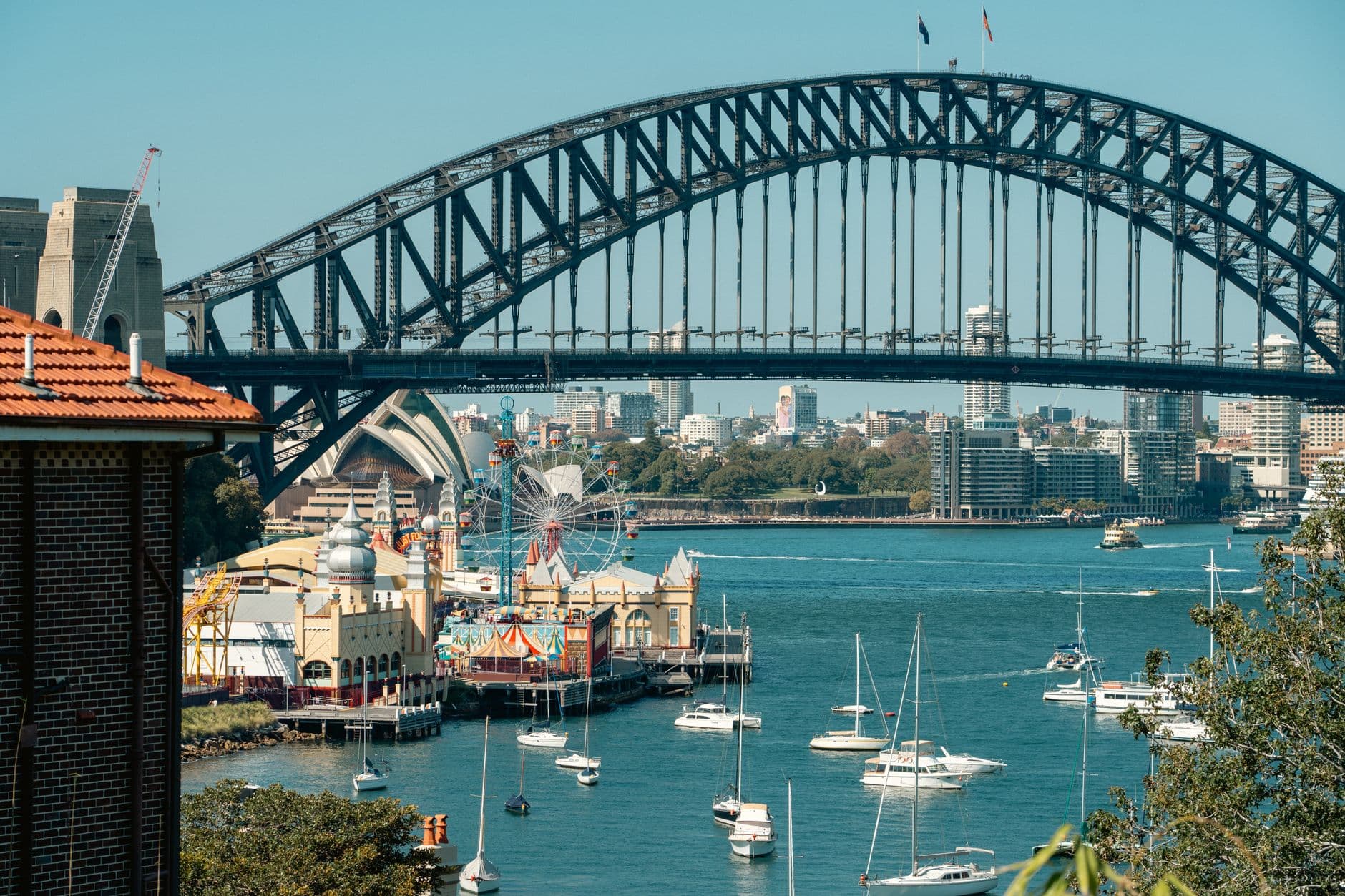
Key facts
- Best overall: spring (Sep–Nov) and autumn (Mar–May) — mild temperatures (17–35°C), cheaper international flights than summer, and the north is in its dry season.
- Summer (Dec–Feb) brings sunny beach weather (20–37°C in capital cities) but is the most expensive time to visit, with peak flight and accommodation prices.
- Winter (Jun–Aug) is cooler in the south (11°C) and warm in the north (up to 30°C), with fewer tourists, cheaper flights, and better accommodation deals — it's also peak season for Cairns and the Great Barrier Reef.
- Timing depends on region: the tropical north runs on a dry season (May–Sep) and wet season (Oct–Apr), separate from the temperate south's four seasons.
What's the weather actually like each season?
Summer (Dec–Feb) is hot and sunny, averaging 20–37°C in major cities — great for beaches but the priciest period to travel. Autumn (Mar–May) cools to 17–35°C, and by April–May the Red Centre enters its dry season with sunny days and warm nights. Winter (Jun–Aug) is mild-to-cool in the south (11°C) but stays warm up north (up to 30°C). Spring (Sep–Nov) mirrors autumn's 17–35°C range and brings nationwide wildflower blooms.
When are crowds and prices lowest?
Winter has fewer tourists along with cheaper flights and accommodation deals — though it's simultaneously peak season for Cairns and the Great Barrier Reef, so that region can still be busy. Summer is the highest-demand, highest-price period. Spring and autumn sit in between, offering more affordable flights than summer without winter's regional trade-off.
Should I plan around the north's dry/wet seasons?
Yes — Tropical North Queensland and the north generally follow a dry season (May–Sep) with sunny days, low rainfall, highs near 35°C, and stinger-free ocean swimming. The wet season (Oct–Apr) brings rain and epic waterfalls; the Great Barrier Reef stays calm and good for snorkelling/diving, but wetsuits are needed for stinger protection. If reef time or northern hiking is the priority, dry season (winter into early spring) is the safer window.
What should I pack?
Match gear to the temperature range and activity rather than a fixed list. For summer (20–37°C) and dry-season tropics (up to 35°C), pack light, breathable clothing and swimwear. For winter in the south (11°C), bring warmer layers; northern winter (up to 30°C) still allows lighter clothing. Shoulder seasons (17–35°C) suit layering for warm days and cooler nights. If snorkelling in the north during wet season, a wetsuit is required for stinger protection.
Before booking, note that health guidance recommends seeing a doctor or travel clinic at least 8 weeks ahead to check on vaccinations or health requirements for Australia.
FAQ
Is spring or autumn better for a first trip? Both offer similar temperature ranges (17–35°C) and cheaper flights than summer; spring adds wildflower season, autumn marks the Red Centre's dry season start — either works well as a balanced choice.
Is winter a bad time to visit? Not necessarily — it's cooler in the south but warm in the north, has fewer tourists, cheaper flights, and is actually peak season for Cairns and the Great Barrier Reef.
Sources
Related Topics
Stay Connected Anywhere
Prepaid eSIM data plans for 180+ countries and territories. No physical SIM required.