Best Time to Visit Kazakhstan: Summer & Shoulder Seasons
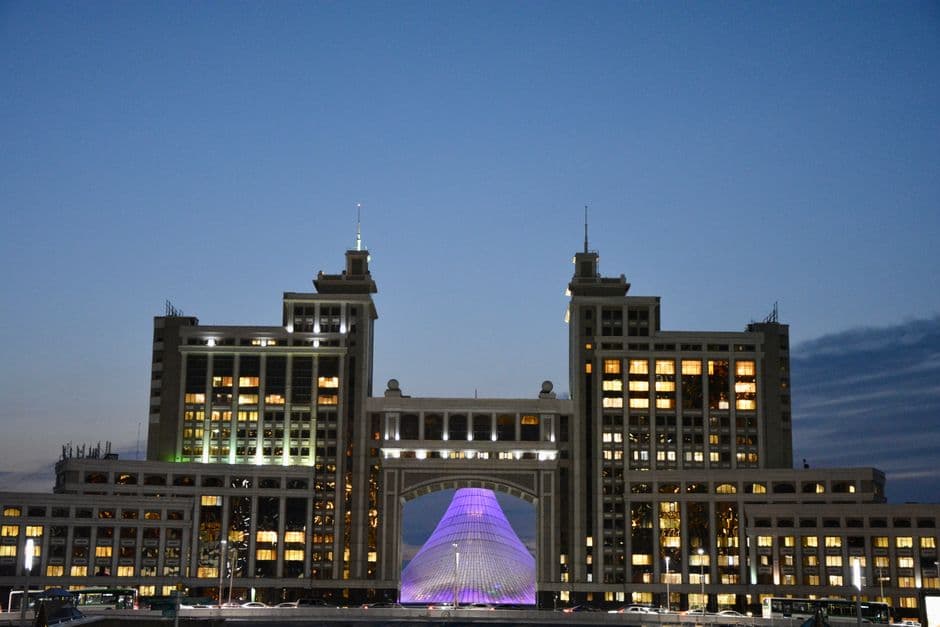
Summer (May to September) is Kazakhstan's best all-round window — warm weather, cleared mountain passes by mid-June, and good hiking in the Tian Shan. But if you want fewer extremes and a more atmospheric trip, spring and autumn shoulder seasons offer temperate weather, wildflowers, and cultural events without summer's heat.
What's summer like, and who is it for?
Summer is Kazakhstan's high season, drawing visitors who want to explore deep into the mountains. Snow clears most passes by mid-June, and the Tian Shan hiking season runs from early summer to late September. Even so, higher altitudes can see snow in summer, plus risks of sunstroke, sunburn, and altitude sickness, so pace yourself and acclimatize. Lonely Planet notes Kazakhstan attracts relatively few visitors overall, with no overly crowded periods — good news if you're wary of tourist crowds even in peak months.
Why choose spring or autumn instead?
Spring and autumn are ideal for cities and the steppe, with temperate weather and cooler temperatures than summer. Spring is short, centered on the Nauryz festival around the third week of March — a national celebration with games, dancing, and singing. Autumn brings its own draws: wild tulips and poppies bloom in the hills outside Shymkent, steppe communities often hold weddings, and it's the best time for Charyn Canyon, since summer there is too hot. That said, autumn (and winter) trekking carries a higher risk of avalanches, landslides, and rockfalls, with weather that can change quickly and heavy snowfall potentially blocking routes — check conditions before heading into the mountains.
Is winter worth it?
Winter is extreme, with temperatures dropping to -30°C (-22°F) and biting winds across the steppe. It's for adventurous travelers, particularly skiers heading to Shymbulak Ski Resort near Almaty. Roads become hazardous with snow, ice, and low visibility, raising accident risk — a real concern given that motor vehicle crashes are the leading cause of death for healthy US citizens abroad, and many Kazakh roads are poorly maintained with unsignposted damage or roadworks. Accommodation prices stay fairly stable year-round, but options may be limited in winter, so plan ahead.
What should I pack?
Kazakhstan's extreme continental climate swings from hot summers to biting, snowy winters, with milder spring and autumn. Pack loose, lightweight clothing for summer heat to help prevent heat-related illness, and layer up heavily for winter cold. It's worth reviewing the CDC's Healthy Travel Packing List for general health items before you go.
FAQ
Do I need a visa? Many nationalities can visit visa-free for up to 30 days for business or tourism, but you must not exceed 90 days without a visa within any 180-day period.
Any vaccination requirements? If arriving from a country with yellow fever transmission risk, you'll need a certificate proving yellow fever vaccination.
Should I trek independently? Use a reputable trekking agency and get insurance that covers high-altitude activities, especially given avalanche and rockfall risks in autumn and winter.
Sources
Related Topics
Stay Connected Anywhere
Prepaid eSIM data plans for 180+ countries and territories. No physical SIM required.