When to visit the US: shoulder seasons beat summer crowds and heat
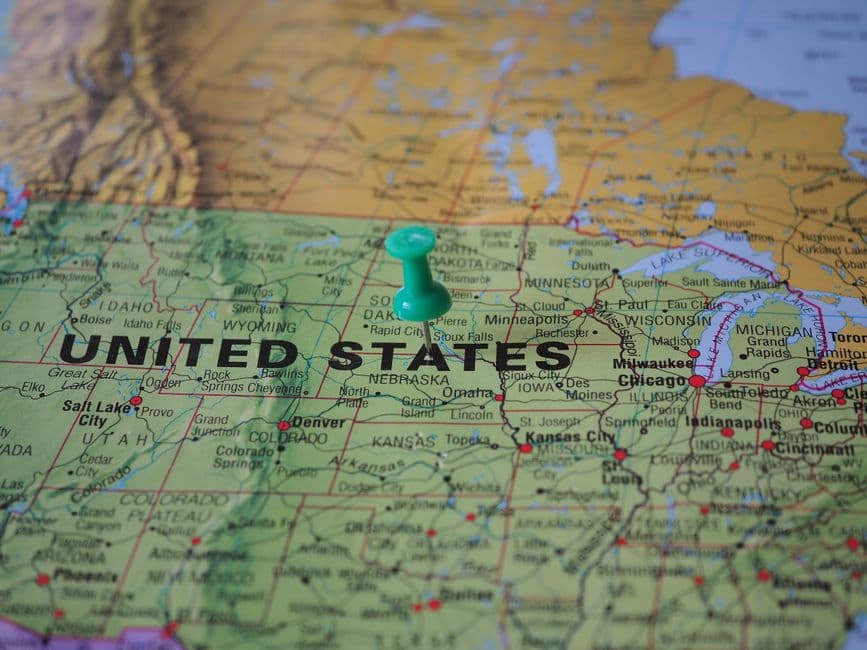
For most of the country, April–May and September–October hit the sweet spot: fewer crowds, better prices, and milder weather than the summer extremes. If you're flexible, these shoulder seasons are your best bet nationwide.
Why are the shoulder seasons best?
April–May and September–October typically offer the best balance of weather, crowds, and price across the US, with hotels and flights running roughly 15–30% below peak season rates. Since the US is huge and regional weather varies enormously, this is a general rule rather than a guarantee for every destination — but it's the most reliable nationwide pattern available.
What about summer heat?
June through September brings the hot season, with heat and humidity peaking in the South and South-West. This is when dehydration and heatstroke risks rise, so pack a travel health kit, especially if you're heading away from major city centers, and know the warning signs of both conditions before you go — they can be fatal if untreated.
Does hurricane season affect travel plans?
Yes, and timing matters if you're headed to the coast, Hawaii, or Guam. The Atlantic hurricane season runs June to November, and the Pacific season runs May to November (some sources cite Pacific from mid-May and Atlantic/Caribbean/Gulf from early June, both through the end of November). Even small tropical storms can escalate quickly into major hurricanes during this window. If you're traveling to a coastal area in this period, monitor the US National Hurricane Center website, follow local authorities' instructions including any evacuation orders, and check with your airline about possible flight or airport disruptions.
What else should I plan for?
Climate change is making extreme and unusual weather events more frequent across the US, so keep an eye on local media for updates as your trip approaches — conditions can shift travel plans with little warning. On the health front, don't expect US medical services to match what you're used to at home: care is available nationwide but expensive, and while hospitals must treat emergencies, foreign visitors without insurance pay out of pocket. Get travel insurance that covers medical evacuation and hospital stays before you leave.
Staying connected can help you track weather alerts and hurricane updates on the go — worth sorting out an eSIM or data plan before you arrive, particularly if you're heading to more remote or coastal areas.
FAQ
Is there one "best" month for the whole US? No single month works everywhere — the country's regional variation is too extensive. April–May and September–October are the most consistently favorable windows nationwide for weather, crowds, and pricing.
Should I avoid summer entirely? Not necessarily, but expect more severe heat and humidity in the South and South-West from June–September, and hurricane risk on Atlantic, Gulf, and Pacific coasts through November.
Do I need travel insurance? Yes — make sure it covers medical evacuation and hospital stays, since US treatment costs are high and emergency care doesn't guarantee coverage for uninsured visitors.
Sources
Related Topics
Stay Connected Anywhere
Prepaid eSIM data plans for 180+ countries and territories. No physical SIM required.