Brazil's Hidden Villages, Ancient Rock Art & Clearest Rivers
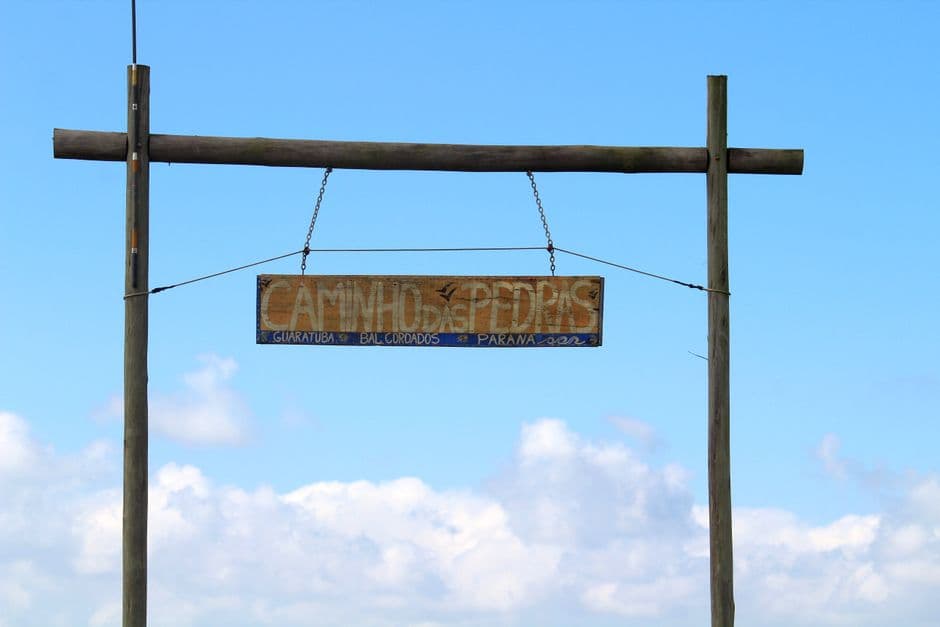
Beyond Rio's beaches and Iguazu's roar, Brazil hides car-free fishing villages, ancient rock art, and rivers so clear they feel unreal — places locals treasure precisely because they're harder to reach. Here are a few worth the extra effort.
Which car-free villages feel truly untouched?
Three spots strip away modern clutter entirely. Ilha do Mel in Paraná has no cars, no paved roads, and no large hotels — just a 1-hour boat crossing from Pontal do Paraná (reachable via Curitiba, then a 1.5-hour bus or drive to Pontal do Sul). Jericoacoara in Ceará has sand streets instead of asphalt, with only motorbikes and tractors for transport; getting there means flying to Fortaleza, then a roughly 4-hour bus or 4x4 transfer that always ends with a dune crossing. Caraíva, a tiny fishing village south of Porto Seguro in Bahia, is even more secluded, with sandy streets and no cars at all.
Where can you find Brazil's rarest natural phenomena?
Lençóis Maranhenses in Maranhão is unlike anywhere else on Earth: vast white dunes with thousands of freshwater lagoons forming between them, best seen roughly March to September. Alter do Chão, on the Tapajós River in Pará, earns its "Caribbean of the Amazon" nickname with white sand beaches and turquoise water, especially during the dry season (July–December) when the river drops and reveals Ilha do Amor. Bonito in Mato Grosso do Sul is known for the clearest rivers on Earth, reached by flying into Campo Grande then a 5-hour drive or bus. Jalapão in Tocantins is best visited May to September, since wet-season roads become impassable; access requires a 4x4 rental or guided tour for the roughly 200 km drive from Palmas.
Which sites reveal Brazil's deeper history and culture?
Serra da Capivara in Piauí is a UNESCO site with over 1,300 archaeological sites and more than 30,000 prehistoric rock paintings, some potentially 25,000–50,000 years old — possibly the oldest human art in the Americas. Marajó Island in Pará, larger than Switzerland, has a unique tradition of vaqueiros herding cattle from the backs of water buffalo; reach it by ferry from Belém (about 3 hours to Soure), ideally in the dry season (July–December). Paraty, a UNESCO-listed colonial town in Rio de Janeiro state, has a pedestrian-only historic center of cobblestones and whitewashed churches, with boat-only islands and beaches nearby — about 4 hours by bus from Rio or São Paulo.
What about hiking away from the coast?
Ibitipoca State Park in Minas Gerais, 3.5–4 hours by car from Rio (or bus via Juiz de Fora and Lima Duarte), packs 15 square kilometers of forest, rock outcrops, and waterfalls, with trails from the easy Circuito das Águas to the challenging Janela do Céu.
At most of these sites, hiring a local guide is worthwhile — fees are typically reasonable, they add safety and context, and the money directly benefits the community.
FAQ
Do I need any vaccinations for the Amazon region? Yellow fever vaccination is recommended or required for travel to the Amazon region — confirm specifics with an official health authority before you go.
Is a 4x4 necessary for these destinations? Yes for some — Jericoacoara's final approach always involves a dune crossing, and Jalapão requires a 4x4 rental or guided tour, especially since wet-season roads can become impassable.
When is the best time to visit the Amazon-region spots? Alter do Chão and Marajó Island are best in the dry season, July to December, when water levels drop and beaches/roads become more accessible.
Sources
- https://doinbrazil.com/lesser-known-places-to-visit-in-brazil/
- https://www.nihosi.com/hidden-brazil-off-beaten-path-destinations-adventurous-travelers/
- A beleza das praias de água doce pelo Brasil — Ministério do Turismo
- Lençóis Maranhenses National Park - UNESCO World Heritage Centre
- Alter do Chão – Visit Brasil
- https://riogringa.typepad.com/my_weblog/2012/08/off-the-beaten-path-from-rio.html
- This Lesser-known National Park Feels 'Extraterrestrial' With Bone-white Sand Dunes and Sky-blue Lagoons — Here’s What It Was Like to Visit
- Alter do Chão, no Pará: 35 dicas para a sua primeira viagem a esse paraíso!
Related Topics
Stay Connected Anywhere
Prepaid eSIM data plans for 180+ countries and territories. No physical SIM required.