Gorillas, crater lakes, and stone villages: Cameroon's hidden corners
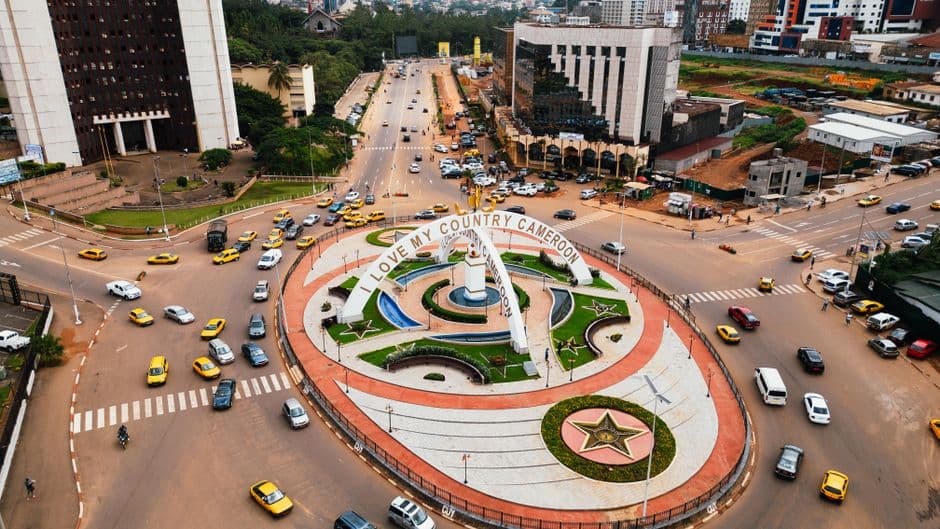
Beyond Foumban's palace and the usual Kribi beaches, Cameroon rewards travelers willing to go further: dense rainforest reserves with gorillas and forest elephants, crater lakes at altitude, stone-built mountain villages, and Grassfields chiefdoms where you can actually meet a traditional ruler. These spots take more planning, but locals rate them highly.
Where can I see wildlife away from the crowds?
Dja Faunal Reserve, a UNESCO World Heritage rainforest in the southeast ringed by the Dja River, holds gorillas, chimpanzees, forest elephants, and African grey parrots. You need permits from park authorities, arranged through one of four gateway communities: Somalomo (northwest headquarters), Lomié (east), Djoum (south), or Meyomessala (west). A multi-day visit—accommodation, entry permit, guide/ranger fees, equipment rental, and meals—runs about CFA 97,000 (roughly €148) per person per day, not including transport. Simple lodging in these communities costs CFA 5,000–30,000 per night; food and water aren't always reliably available except in Lomié, and Somalomo also has basic park-run accommodation. The Baka pygmy communities nearby maintain forest traditions and offer cultural exchange opportunities.
Korup National Park in the Southwest is one of Africa's oldest rainforests, home to endangered drill monkeys and over 400 bird species, but it's rarely visited due to remoteness and difficulty accessing it in the rainy season (May–October).
What about mountains and lakes?
Manengouba Twin Lakes, two crater lakes at high altitude in the Southwest, offer hiking and mountain views—one lake green, one blue—though getting there can be challenging. Mount Oku in the Northwest, one of Cameroon's tallest mountains, has rare endemic birds and is surrounded by Lake Oku, good for birdwatching, hiking, and eco-tourism.
Where can I meet artisans and traditional rulers?
Bamessing village in the Northwest has practiced bronze casting for 400 years, passed down through families. In the Grassfields, smaller chiefdoms—Batoufam, Bandjoun, Bagam, Fotomena—see fewer visitors than Foumban but each has its own palace and traditions, with chances to meet traditional rulers and learn local history.
Any unusual landscapes worth the detour?
In the Far North, the Mandara Mountains have villages with distinctive stone architecture built into the slopes, home to the Mafa and Kapsiki peoples; visit with a local guide. Near Kribi, Lobe Falls is one of the few waterfalls in the world where a river flows directly into the ocean, reachable by boat from town.
Practical notes
Outside major cities, hotels, restaurants, and transport are limited—carry water, food, fuel, an emergency kit, and a way to communicate (cellular, satellite phone, or VHF radio). A 4×4 is essential off paved roads, and you'll need an International Driving Permit plus your national licence; avoid night driving outside cities. For Dja, public transport to gateway towns is cheap but uncomfortable and not very safe—hiring a taxi with driver for several days is an alternative, and outside rainy season a 4×4 isn't strictly required.
FAQ
Do I need permits for these areas? Yes—Dja Faunal Reserve and Korup National Park require permits and guides, arranged in advance via gateway communities or tour operators.
Is it safe to travel to these regions? Security concerns persist in parts of Cameroon, especially the Southwest and Northwest; check current FCDO or equivalent travel advisories before planning.
When's the best time to go? Dry season travel is advisable, as rainy season (May–October) can make remote areas difficult or impossible to reach.
Sources
- Dja Faunal Reserve - UNESCO World Heritage Centre
- Dja - Man and the Biosphere Programme (MAB)
- https://cameroon-visa.info/hidden-gems-in-cameroon-that-most-tourists-miss/
- Planning your visit - Réserve de faune du Dja
- https://visitcameroon.net/practical-travel-guide/
- https://travel.gc.ca/destinations/cameroon
Related Topics
Stay Connected Anywhere
Prepaid eSIM data plans for 180+ countries and territories. No physical SIM required.