How much cash to carry in Philippines - and where cards actually fail
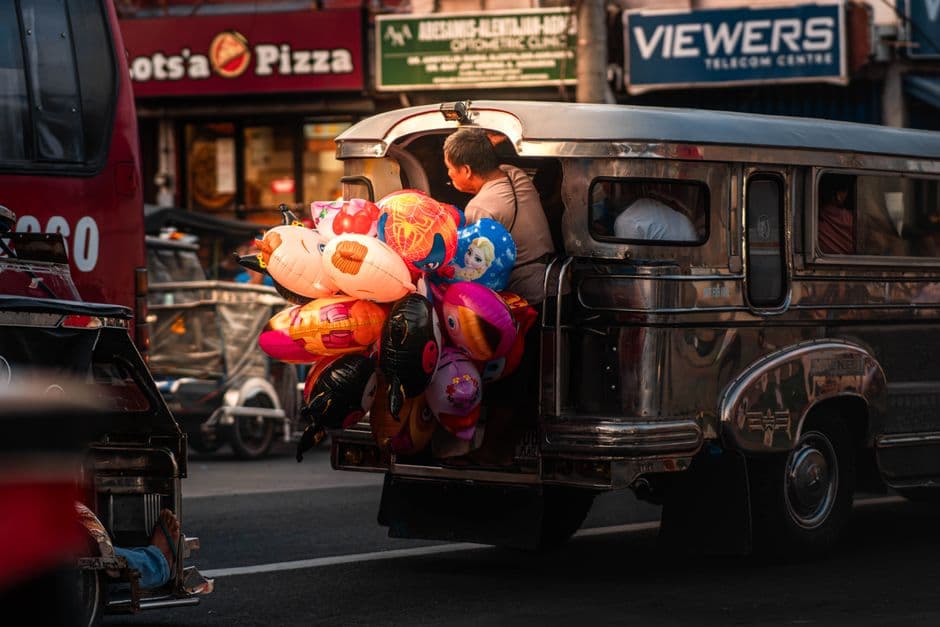
The Philippine Peso (PHP) is the only currency accepted nationwide, and while cards work fine in big cities, cash is what actually gets you through most of the country — especially on islands. The short answer: carry more PHP cash than you think you'll need, and treat cards and digital wallets as backup, not your main plan.
Cash or card — what actually works where?
In Manila, Cebu and Davao, cards are widely accepted at malls, major hotels and urban restaurants, so you can get by with plastic for a lot of your spending. Outside those cities, it's a different story: island markets, tricycles and smaller restaurants run on cash only. If you're heading to smaller islands or rural areas, assume you'll need PHP in hand for nearly everything.
Where do I get cash, and should I worry about ATMs?
ATMs are easy to find in Manila and other major cities, so topping up cash there isn't a problem. The issue is remote islands — on places like Palawan and Siargao, the nearest ATM can be hours away by boat. The practical move is to withdraw enough PHP before you travel to these islands, rather than assuming you'll find a machine when you need one.
Can I use digital wallets like GCash or Maya?
Yes — GCash and Maya are the two dominant digital wallets in the Philippines, used by millions of locals for transfers, bills and everyday purchases. Tourists can link a foreign card to GCash and use it to pay at markets and stores, which is a useful workaround when cash is low and cards aren't accepted. Palawan and Siargao's resort towns are becoming more card-friendly too, but neither cards nor digital wallets should be your sole payment method in these areas — always have cash as backup.
How much should I budget per day?
Budget travelers can manage on roughly 1,500 to 2,500 PHP per day in the provinces. In Manila or at island resorts, mid-range travel runs closer to 3,000 to 8,000 PHP per day. These are rough ranges, not fixed targets — actual spending will shift depending on your travel style and choices.
Since cash and local payment apps matter so much here, it's worth having reliable data on arrival to set up GCash or check ATM locations before heading to remote islands — see our Philippines destination guide for connectivity options.
FAQ
Do I need to carry cash even in Manila? Cards cover most urban spending in Manila, Cebu and Davao, but smaller purchases and local transport may still require cash.
What happens if I run out of cash on a remote island? ATMs may be hours away by boat on islands like Palawan and Siargao, so withdraw enough PHP before you travel there.
Is GCash useful for tourists? Yes — you can link a foreign card to GCash and use it to pay at markets and stores, which helps when cash is tight or cards aren't accepted.
Sources
Related Topics
Stay Connected Anywhere
Prepaid eSIM data plans for 180+ countries and territories. No physical SIM required.