Driving at night in Eswatini? Here's what you really need to know
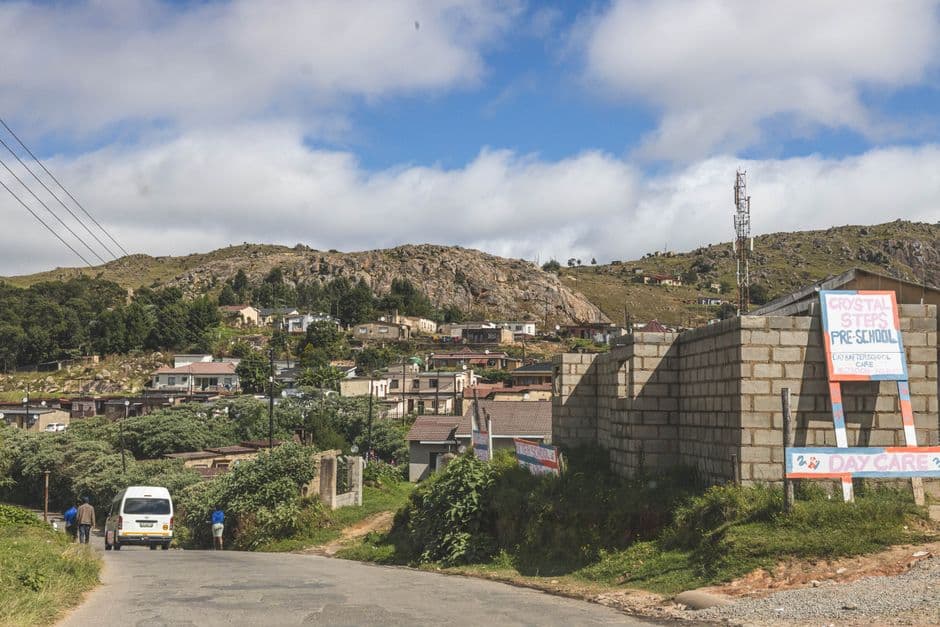
Eswatini is generally straightforward to visit, but the real risks are on the road, not from violent crime alone — carjackings, poor rural lighting, and reckless mini-bus taxis cause more trouble for travelers than anything else. With a few sensible habits, most visits go smoothly.
Is Eswatini safe to visit?
Crime, including petty theft and occasional violent crime, occurs throughout the country, with sporadic armed robberies and carjackings reported on main roads from South Africa and Mozambique. Don't wear jewelry or carry visible valuables, keep phones and cash out of sight, and cover the ATM screen when entering your PIN. Convert money only at authorized exchanges, never with street vendors, and never leave valuables in your vehicle.
What should I know before driving?
Traffic in Eswatini drives on the left. Carry your UK driving licence plus the 1949 version of an International Driving Permit at all times (it can't be purchased outside the UK). Using a cell phone while driving is illegal, and police run periodic roadblocks and radar checks. If your vehicle isn't locally registered, you'll pay a SZL100 road fund levy at the border (Rand accepted) and must keep the customs declaration and payment proof in the car.
Never drive at night, especially in rural areas or when crossing the border — this is when carjacking risk and hazards like unlit trailers, heavy vehicles, and animals on the road are highest. Keep doors locked and windows up at all times, and travel only during daylight. Minor roads can be poorly maintained with potholes, and slow-moving lorries are a hazard on hills.
Are taxis and mini-buses safe?
Mini-bus taxis (khumbis) are often overloaded, poorly maintained, and driven at excessive speed — fatal accidents are common. Use only registered taxis, ideally booked through your hotel. Sit in the back seat, never share a taxi with strangers already inside, send a friend the plate number before you go, and confirm it's from a reputable company.
What about medical care and emergencies?
Medical facilities are limited nationwide, and ambulance response is very slow to almost non-existent in rural areas — many injured travelers drive themselves to hospital rather than wait. Ezulwini Private Hospital, Mbabane Clinic, and Manzini Clinic handle minor procedures well, but for advanced care, many travelers go to South Africa. Dial 999 for emergencies. Bring enough prescription medication in original bottles, as local supply can be short (though imports from South Africa are usually possible), and get travel health insurance covering evacuation.
FAQ
Do I need a visa for Eswatini? Tourists can stay up to 30 days visa-free if their passport is valid six months beyond departure with two blank pages — but confirm with the nearest embassy, as rules can change.
Is it safe to drive myself around? Yes, during daylight, with the correct licence and IDP, doors locked, and avoiding minor rural roads after dark.
What's the emergency number? 999.
Sources
Related Topics
Stay Connected Anywhere
Prepaid eSIM data plans for 180+ countries and territories. No physical SIM required.