Food & Drink in Angola: Dishes & Where to Eat
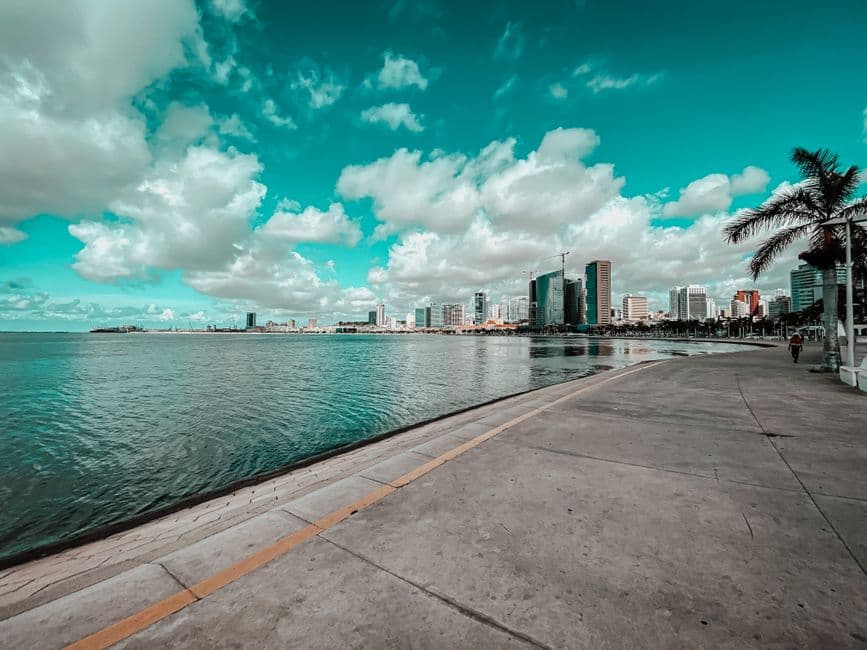
Angola's food centers on cassava, palm oil, and fresh fish, with muamba de galinha — chicken stewed in palm oil with okra, garlic, onions and chili — standing as the national dish. Expect hearty, home-style cooking rather than fine dining, and funge (cassava porridge) as the default starch on nearly every plate.
What are the must-try dishes?
Start with muamba de galinha, the sweet-savory chicken and okra stew that anchors Angolan cuisine. Calulu is another staple: a thick soup of leafy greens with chicken or hen, usually served with cassava flour dumplings. Kizaca pairs slow-cooked cassava leaves with ground peanuts, onions and palm oil, served alongside fish or chicken and funge. For something distinctive, try cabidela, a Portuguese-Angolan specialty of chicken cooked in its own blood, or chicken piri piri, marinated in hot peppers and grilled with paprika, coriander, and lemon or wine. Feijao (black beans cooked with paprika, onion and manioc flour) is a simple, healthy side worth ordering.
Where does the seafood shine?
Angola's 1,650 km Atlantic coastline means seafood is a highlight, especially in Benguela, Lobito, and Namibe, where grilled prawns, rock lobster, octopus salad, and daily catches of grouper, snapper, or sea bass are common. Two coastal specialties worth seeking out: caruru, okra cooked in fish broth with manioc flour and sautéed shrimp (sometimes with peanuts), and mufete de cacusso, grilled tilapia with pepper and lemon, served with funge and beans.
Where should I actually eat?
In Luanda, La Vigia specializes in fresh grilled fish (informal but upscale), Churrascaria Nandinhos is a cheap, busy spot for roast chicken, and Morena Beach Restaurant serves local dishes with sea views for under €10. In Benguela, Restaurant Ferro Velho offers a cozy setting and simple, satisfying food. In Malanje, Restaurant Triângulo does Angolan-European fusion with fresh seafood, while Restaurant O Quintal serves Angolan dishes, seafood and meats in the city center — arrive early, as it fills up fast. Note that restaurant details can change, so it's worth confirming before you go.
What should I drink — and is street food safe?
Cuca is Angola's leading beer, with Nocal as the second major brand. For something non-alcoholic and local, try kissangua, a tart, fizzy fermented drink made from maize flour or pineapple peels, sold cheaply at markets. Finish a meal with cocada, a coconut dessert made with egg yolks, sugar, cinnamon and cloves, sometimes with citrus.
On food safety: choose restaurants that look busy and clean, avoid raw vegetables or salads outside upscale places, stick to bottled water, and treat busy street-food stalls as generally safe while using your own judgment.
FAQ
Is funge served with every meal? It's an economical staple found on tables across Angola, typically accompanying stews and grilled dishes like muamba or mufete.
What's a good non-alcoholic option? Kissangua, a traditional fermented maize or pineapple-peel drink, sold cheaply at local markets.
Are there vegetarian options? Feijao (black beans with paprika, onion and manioc flour) is a plant-based dish, though many Angolan staples center on meat or fish.
Sources
Related Topics
Stay Connected Anywhere
Prepaid eSIM data plans for 180+ countries and territories. No physical SIM required.