Match your neighborhood, not just the city: where to stay in Germany
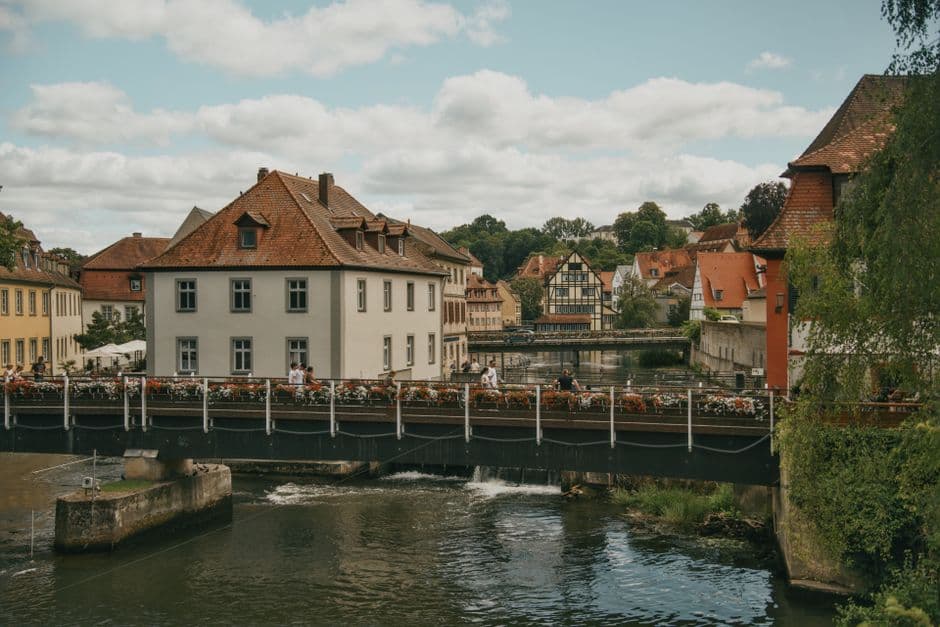
Germany's best base depends less on "which city" and more on which neighborhood fits your pace — quiet and green, mid-range and local, or central with easy transport. Berlin, Munich, and Hamburg each have a version of all three, so the right pick comes down to matching your travel style to a district rather than hunting for one "best" area.
Where should first-timers stay?
Stick close to transport, not just the old town. In most German cities, public transport is reliable, so a base near an S-Bahn or U-Bahn station matters almost as much as proximity to the historic center — a 5-minute ride from an outlying stop can cut costs while keeping sights easily reachable. In Munich, Maxvorstadt (the museum quarter) is a solid first-timer pick: it's packed with galleries and major art museums, balances culture with everyday student life, and offers everything from business-style hotels to simple guesthouses at moderate prices compared with the city center.
Which areas suit nightlife and a livelier scene?
Friedrichshain and Kreuzberg in Berlin are known for alternative culture and bars, and along with Schwabing and Maxvorstadt in Munich, they offer mid-range stays with neighborhood amenities — supermarkets, bakeries, local cafés — while staying within easy tram or subway reach of the center.
Where's best for families?
Prenzlauer Berg in Berlin is a calmer but central option, with tree-lined avenues, playgrounds, relaxed café culture, and a reputation as one of Berlin's safer, more family-friendly neighborhoods with good lighting and frequent trams. In Munich, families valuing green space should look at residential districts near the English Garden or the Isar River, which offer quieter stays with playgrounds and cycle paths.
What if I want a quiet, residential feel?
Charlottenburg in Berlin suits travelers who like elegant architecture, classic shopping streets, and a more traditional atmosphere. In Hamburg, Altona — a broad western district bordering the Elbe — and its Ottensen subdistrict offer better value than the city center, with local shopping streets, waterfront access, and straightforward transport links, appealing to those wanting a residential feel and lower nightly rates.
Any tips on cost and timing?
Big business hubs like Munich and Frankfurt tend to have higher hotel rates, especially during trade fairs and major events, while Leipzig or Nuremberg often offer better value. Winter generally brings lower prices, except around Christmas markets, when traditional old towns fill up fast — book ahead for those peak periods. Accommodation spans every class and budget, from private rooms and holiday flats to luxury hotels, with standards monitored even at the cheaper end. Budget travelers also have access to over 400 German Youth Hostel Association hostels nationwide, which international visitors can use with a guest pass.
FAQ
Is it better to stay in the city center or near an outlying station? Either can work, since public transport is reliable — an outlying station a few minutes from downtown by tram or subway can lower costs while still keeping the center accessible.
Are hostels a realistic option in Germany? Yes — Germany has over 400 Youth Hostel Association hostels, part of the International Youth Hostel Federation network, and international travelers can buy guest passes to use them.
Does visiting during Christmas market season affect where I can stay? Yes — traditional old towns fill up quickly during Christmas markets, so booking ahead for that period is sensible even though winter overall tends to bring lower prices.
Sources
Related Topics
Stay Connected Anywhere
Prepaid eSIM data plans for 180+ countries and territories. No physical SIM required.