Eat like a local: Germany's regional food map from Bavaria to Berlin
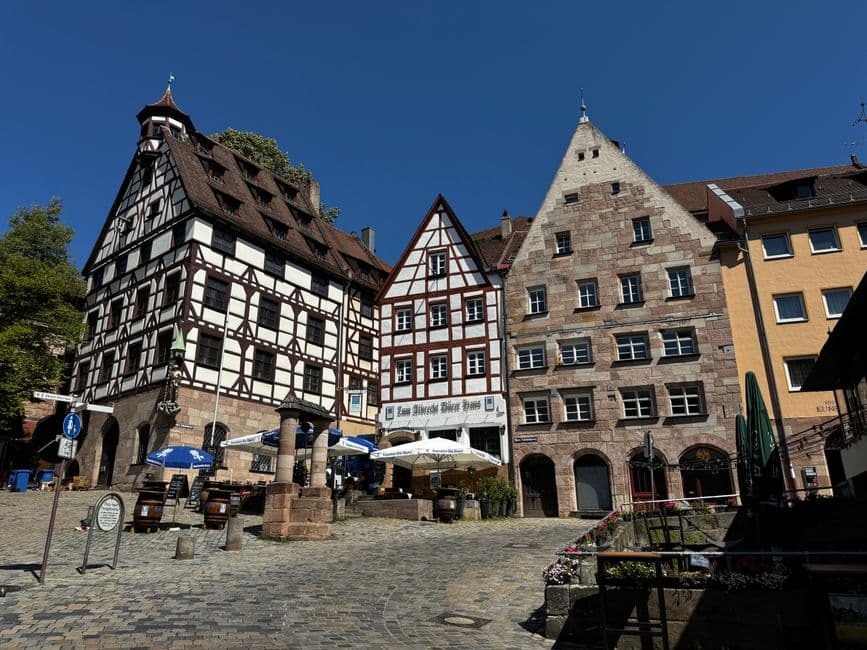
Germany's food scene is deeply regional, so the best approach is to eat what the local area is known for rather than chasing one "national" dish. Munich means sausage and beer garden classics, Frankfurt means herb sauce and marinated cheese, Hamburg means fish rolls, and Berlin means currywurst and global street food — plan meals around where you are.
What should I eat in Munich and Bavaria?
Weißwurst is Munich's signature dish, a white veal sausage invented in 1857 from finely ground veal, pork bacon, parsley, mace, onions, lemon zest, and cardamom. Tradition says eat it before noon, with sweet Bavarian mustard, soft pretzels, and wheat beer. Also look for Schweinshaxe (pork knuckle), a Bavarian classic found throughout Munich, and Käsespätzle — soft egg noodles under melted cheese and fried onions, common across Bavaria and Swabia. For beer gardens, order Obatzda, a Camembert or Brie spread mixed with butter, fresh beer, paprika, caraway, and onions, served with pretzels and radish slices.
What's the signature food in Swabia and the southwest?
Maultaschen, Swabian ravioli-style pasta pockets filled with meat, spinach, onions, and spices, come served in hot broth or pan-fried with eggs, usually around €8–12 (prices vary by venue). Near the Baden/Alsace border, try Flammkuchen (tarte flambée) — thin dough topped with crème fraîche, onions, and bacon.
What should I try in Frankfurt and central Germany?
Frankfurt's protected regional dish is Grüne Sauce, a cold sauce of seven herbs (borage, sorrel, garden cress, chervil, chives, parsley, salad burnet) blended with sour cream, yogurt, oil, vinegar, and mustard, served over boiled eggs and potatoes. Central Germany is also known for Handkäse mit Musik, small rounds of sour milk cheese marinated in oil, vinegar, onions, and caraway seeds.
What about Hamburg and Berlin?
In Hamburg and northern coastal towns, Fischbrötchen — bread rolls filled with herring or salmon — are the signature street food. In Berlin, eat Currywurst and döner kebab, plus international street food at markets such as Markthalle Neun.
When do Germans actually eat, and how do I plan meals?
Lunch is the main meal, typically hot and generously sized, eaten midday. Dinner is lighter, usually 6–7pm at home (bread, rolls, sausage, or cheese), but if dining out, aim for 7–9pm and book ahead at popular restaurants, since kitchen hours vary by venue.
FAQ
Is beer part of the food culture? Yes — Germany has over 1,200 breweries producing roughly 5,000 beer varieties, and beer is a standard pairing with dishes like Weißwurst and Obatzda.
Are these dishes available nationwide? No — most are regional specialities tied to their originating area (e.g., Weißwurst in Munich, Grüne Sauce in Frankfurt), so you may need to seek out specialist restaurants elsewhere.
Any food safety tips? Standards vary by region and activity type; follow CDC guidance on safe food and drink choices while traveling.
Sources
- https://www.pieterontour.com/germany/german-food-guide-regional-dishes-lunch-strategy/
- https://www.travelwithhello.com/blog/germany-food-dining-guide
- https://www.cometogermany.com/ENU/infocenter/good_to_know_6251/
- https://www.cometogermany.com/ENU/culture_and_events/german_food_beer/
- https://wwwnc.cdc.gov/travel/destinations/traveler/none/Germany
Related Topics
Stay Connected Anywhere
Prepaid eSIM data plans for 180+ countries and territories. No physical SIM required.