Stay Healthy in Jamaica: Water, Vaccines & What You Really Need
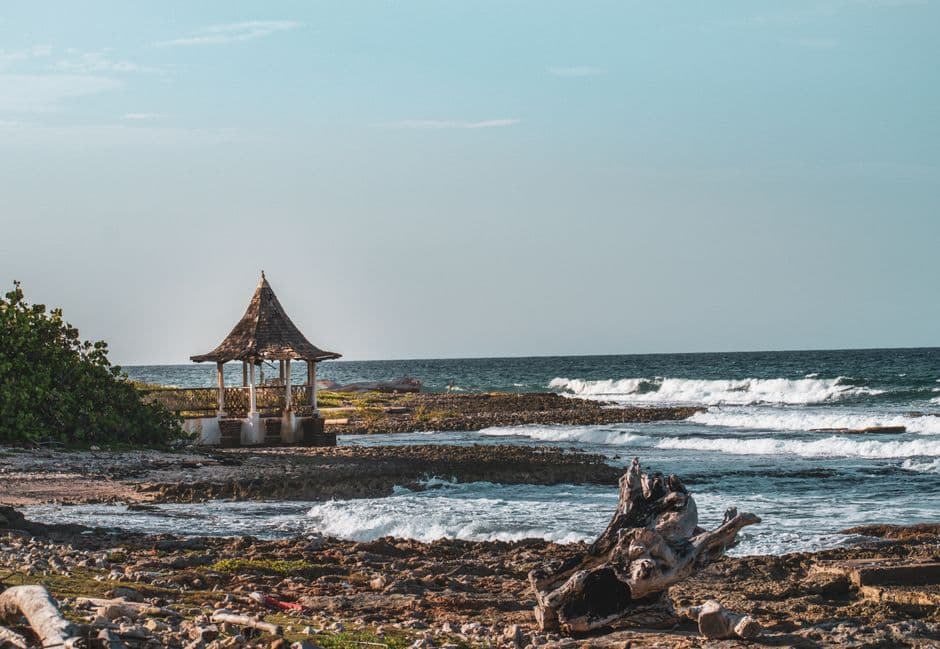
Jamaica is generally easy on your health if you take a few sensible precautions — tap water is usually fine in cities and resorts, the main risk is traveler's diarrhea, and pharmacies can handle most everyday needs. This isn't medical advice, so check with a healthcare provider and official sources before you go.
Is tap water safe to drink in Jamaica?
Tap water is generally safe to drink and use for cooking in most of Jamaica, though some rural areas have unsafe or inconsistent supply. Hotels typically have water filtration systems and often provide complimentary bottled water on request. To be extra cautious, skip ice in drinks (it may be made from tap water), and be careful with uncooked fruits and vegetables. If needed, water can be made safe by filtering, boiling, disinfecting, or distilling. Impure water can carry typhoid, cholera, hepatitis, and dysentery, so this matters most if you're heading off the beaten path.
What illnesses should travelers watch for?
Traveler's diarrhea is by far the most common issue, with reported attack rates of 8–20% among visitors. Improperly prepared ackee fruit — Jamaica's national dish — carries additional health risks, so make sure it's properly prepared. Typhoid is rare (the last confirmed case was in the early 1990s), but vaccination is recommended if you're venturing outside tourist areas, traveling extensively in rural regions, working remotely, or staying for an extended period.
What vaccines are recommended before visiting Jamaica?
Unvaccinated travelers should get the hepatitis A vaccine series and the most current COVID-19 vaccine, alongside routine vaccinations. Yellow fever isn't a risk within Jamaica itself, but proof of yellow fever vaccination is required if you're arriving from a country with yellow fever risk, or have a layover/transit exceeding 12 hours in such a country. Vaccine recommendations can change, so verify current guidance with official sources before departure.
Can I get medication and treatment in Jamaica?
Pharmacies stock a wide range of medications for chronic, acute, and infectious conditions, and specialty drugs are available through four referral/specialist hospitals. However, drug formulations and brand names may differ from what you're used to in North America — it's best to bring your own supply rather than plan on refills there. For treatment, publicly funded health care is available to visitors for a fee, while private hospitals and clinics generally offer broader diagnostics, more comfort, and shorter waits. The U.S. Department of State encourages travelers to carry travel insurance that includes medical evacuation coverage, since evacuation may be necessary for emergencies beyond local capacity.
FAQ
Should I drink bottled water in Jamaica? It's a good extra precaution, especially in rural areas or if you're unsure of the local supply — hotels often provide bottled water on request.
Do I need a yellow fever vaccine for Jamaica? Only if you're arriving from, or transiting more than 12 hours through, a country with yellow fever risk — Jamaica itself has no yellow fever risk.
Can I refill my prescription in Jamaica? It's not recommended, since drug names and formulations may differ from what you're used to — bring enough medication for your trip.
Sources
Related Topics
Stay Connected Anywhere
Prepaid eSIM data plans for 180+ countries and territories. No physical SIM required.