Don't sit on that: Italy's unwritten (and written) rules for travelers
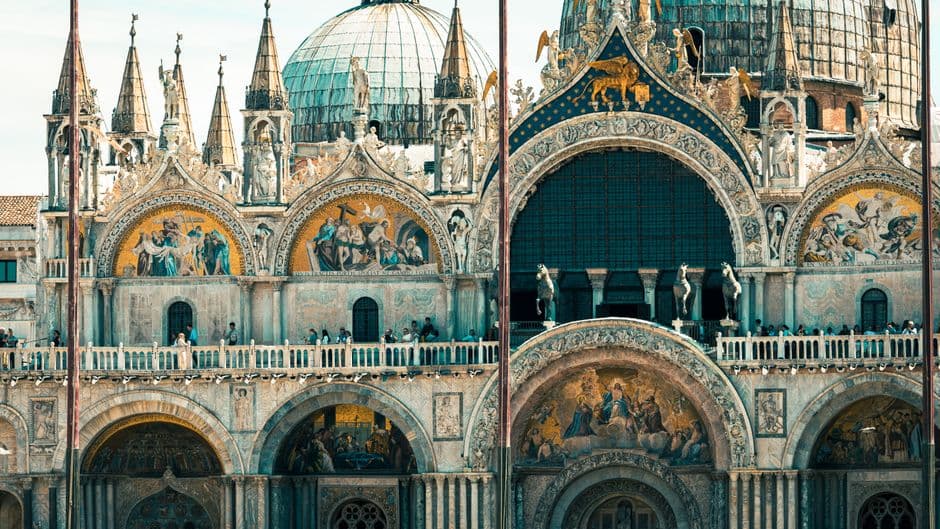
Italians value warmth paired with respect for rules and tradition, so the short version is: greet people properly, dress modestly at religious sites, tip lightly rather than generously, and stay alert to public conduct laws that are strictly enforced in tourist-heavy cities. Get these basics right and you'll blend in easily.
How should you greet people in Italy?
Use "Buon Giorno" (good morning) or "Buona Sera" (afternoon/evening) when meeting someone for the first time — "Ciao" is reserved for people you already know. Strangers like taxi drivers and waiters appreciate a smile or a simple "Buongiorno," since Italians are generally friendly and welcoming. Among friends and family, a cheek kiss is common and applies regardless of gender. Learning a bit of basic Italian for conversation is also seen as a sign of respect.
What are the dining and tipping norms?
Tipping isn't compulsory, but leaving close to 10% of the bill when you're happy with service is customary. Many restaurants already add a service charge of 1-3 euros to the bill; if service was good, rounding up is a nice gesture. For drinks, tipping a bartender 1 euro per round is standard. In hotels, tipping isn't required but is appreciated — a porter might get 5 euros, a concierge 1-2 euros for a specific service, and housekeeping 75 cents to 1.5 euros per day. Prices in shops and restaurants are fixed, so haggling isn't part of the culture — and always take your receipt, since businesses are legally required to issue one.
What should you be careful about in public spaces?
Many high-tourism cities — Rome, Florence, and Venice especially — enforce strict public conduct rules. Sitting, eating, or drinking on monuments or archaeological sites can lead to fines or arrest. Feeding pigeons and attaching locks to bridges or monuments are also prohibited and fined. Walking around without a shirt or in swimwear away from the beach can breach local rules, and bathing in fountains or canals (including Rome's Trevi Fountain) is banned. Jaywalking within 100 metres of a crosswalk, littering, and using single-use plastic can also result in fines. Photographing official buildings or military areas is illegal without checking first, and buying counterfeit goods from street vendors is against the law.
What cultural sensitivities matter most?
Dress neatly and modestly, particularly in churches or public offices, and mute your phone inside religious monuments. Show respect for religious holidays and traditions, and be especially considerate toward elderly people, who tend to be more religious. General courtesy — toward women, in personal hygiene, and in everyday manners — is noticed and valued. Also be wary of tourist-trap restaurants near major sites, which often overcharge for subpar food.
FAQ
Is tipping mandatory in Italy? No — it's customary but not compulsory. Around 10% for good service, or rounding up when a small service charge is already added, is typical.
Can I sit on monument steps for a photo? Not in cities like Rome, Florence, or Venice, where sitting, eating, or drinking on monuments or archaeological sites is illegal and can bring fines or arrest.
Do I need to dress up for churches? Yes — dress neatly and respectfully, and keep your phone muted while inside.
Sources
- Travel Facts
- Do’s and Don’ts for Pakistani Nationals in Italy
- Italy - Department of Foreign Affairs
- Italy tips that will make your visit more rewarding | KAYAK
- Italy travel tips for first-timers: What to know | Rough Guides
- 12 things to know before traveling to Italy - Lonely Planet
- Information for travelling to Italy - Italia.it
- Destination Guide for Italy
Related Topics
Stay Connected Anywhere
Prepaid eSIM data plans for 180+ countries and territories. No physical SIM required.