Where Japan's quiet valleys and remote islands hide from tourists
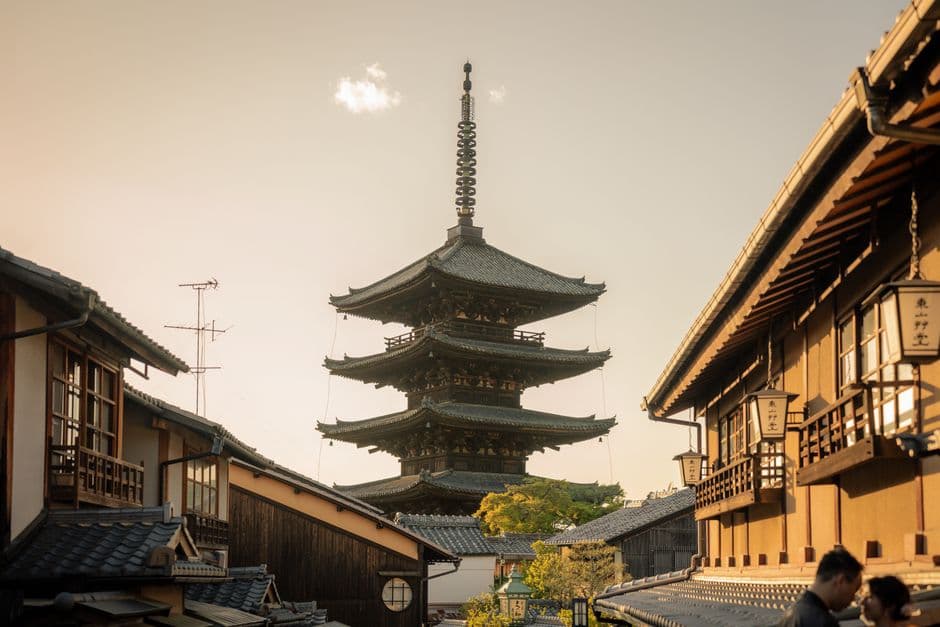
Beyond Tokyo and Kyoto, Japan has quiet valleys, preserved post towns, and remote islands that locals themselves treasure — mostly reachable on the country's reliable train and bus network, even if the last leg is a single-carriage local train running just a couple of times an hour.
Which historic villages still feel real, not staged?
Tsumago and Magome-juku, on the old Nakasendo trail through the Kiso Valley, are the best-preserved Edo-period (1603–1867) post towns from a network of 69 that once served travelers between Tokyo and Kyoto. Tsumago has banned cars from its main street during the day and hidden its power lines since preservation began in 1968, so it reads as an open-air museum rather than a tourist set piece. Gokayama, in Toyama Prefecture, offers a different kind of preservation: gassho-zukuri farmhouses reachable by a combination of trains and buses, green and lush in summer, snow-capped and rustic in winter.
Where can you find gorges, hot springs, and real isolation?
The Iya Valley in Shikoku is one of Japan's most secluded gorges — narrow river canyons, vine bridges, and hot springs, with unspoiled scenery throughout. Get there by flying into Takamatsu Airport and taking a direct bus. In Kansai, Mitarai Valley is similarly remote: take the Kintetsu line to Shimoichiguchi Station, then a bus and some walking. It's worth staying overnight in Dorogawa Onsen or Tenkawa Village rather than rushing it as a day trip, so the valley's pace can actually sink in.
What about islands beyond the obvious ones?
The Oki Islands, about 60 km north of the Shimane–Tottori border, are a UNESCO Global Geopark spread across roughly 180 islands (four inhabited), with a natural beauty and culture distinct from Japan's main islands. Okushiri Island, off southwestern Hokkaido, has hiking, cycling, sea kayaking, snorkeling, and Kamuiwaki Onsen, Hokkaido's westernmost hot spring — reached by a two-hour ferry from Esashi (itself a two-hour bus from Hakodate), or a roughly 30-minute direct flight from Hakodate Airport.
Any spot for wildlife without a guide?
The Shiretoko Goko Lakes, five small lakes in primeval Hokkaido forest, are home to wild animals including brown bears. A free elevated wooden walkway, open year-round, makes the roughly 1.6 km round trip (about 40 minutes) safe without a guided tour.
FAQ
Is it hard to get around these places without speaking Japanese? The facts don't detail language specifics, but Japan's public transport network is described as comprehensive and reliable, and people encountered off the beaten track are consistently polite and helpful, which makes navigating unfamiliar situations easier.
Should I stay overnight in these areas or visit as day trips? For Mitarai Valley specifically, staying overnight in Dorogawa Onsen or Tenkawa Village is recommended over a rushed day trip, since it allows more time to appreciate the area.
Do I need a car to reach these spots? No — each of these destinations is described as accessible via combinations of flights, trains, buses, and in some cases walking, though remote-area trains may be infrequent, single-carriage services.
Sources
Related Topics
Stay Connected Anywhere
Prepaid eSIM data plans for 180+ countries and territories. No physical SIM required.