Wildlife, art, and culture: Nigeria's best stops without the grind
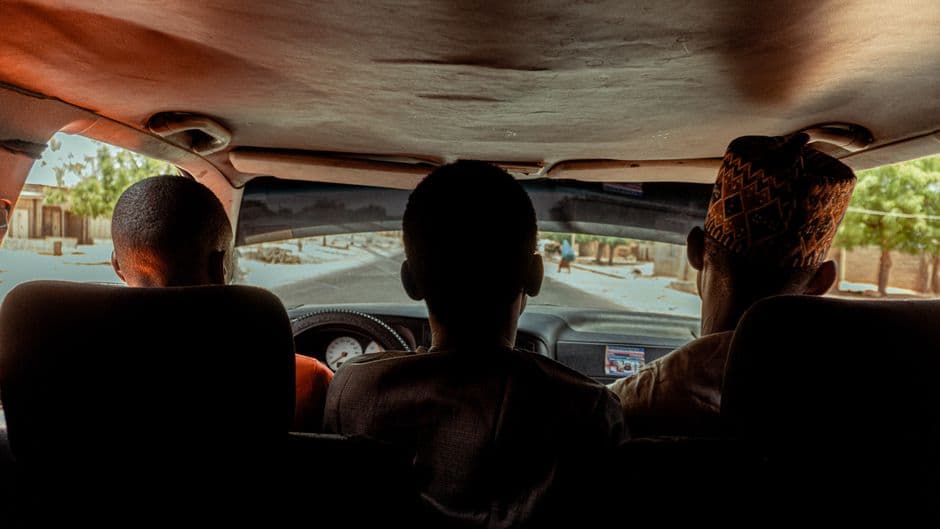
Nigeria rewards travellers who want wildlife, art, and culture without a packed itinerary — the highlights here are a handful of genuinely worthwhile stops rather than a long checklist. If you're short on time, focus on Yankari Game Reserve and Lagos's cultural scene, and build the rest of your trip around safety and health prep.
What's the one must-do outside Lagos?
Yankari Game Reserve in Bauchi State is Nigeria's most visited attraction, spanning roughly 2,244 square kilometres of West African savanna — a genuine wildlife safari experience. It's open daily 7:00 AM–10:00 PM, with gate fees of 1,500 naira for adults and 800 naira for children. Pay an extra 500 naira to swim in the Wikki Warm Spring, a highlight in itself. Go between November and April, the best season for visibility and comfort.
What should I do in Lagos?
Lagos combines beaches with deep cultural immersion. The Nike Art Gallery is the standout stop: it houses 8,000 works of contemporary Nigerian art alongside handicrafts over 200 years old, offering a real sense of the country's artistic heritage in one visit. Museum admissions in Lagos and Abuja typically run 300–1,000 naira, so it's an affordable way to spend a day.
Are there UNESCO sites worth visiting?
Yes — Nigeria has two UNESCO World Heritage Sites, part of a broader mix that includes wildlife safaris, cultural festivals, historic museums, and Atlantic beaches. Most entrance fees across these sites are inexpensive, from under $1 to around $10 per person. If you'd rather not plan logistics yourself, Lagos-based operators run guided day trips ranging from $40 to $220 depending on the destination and group size.
How much should I budget?
Nigeria is one of the more affordable countries in West Africa for independent travel: budget travellers can expect to spend $7–$16 per day on food, transport, and accommodation. Combined with low entrance fees, it's realistic to see several major sights without a large budget — though guided trips for remote destinations like Yankari will add cost.
What do I need to know before booking?
All travellers over 9 months old must show yellow fever and polio vaccination certificates on arrival, and you'll need a valid visa before you travel. Your passport must be valid at entry with at least 6 months' remaining validity and a blank page for stamps. Malaria prophylaxis is essential — Nigeria is high risk — and it's worth bringing enough of your own medication for the whole trip, since local facilities aren't equipped to U.S. or European standards. Traveller's insurance with medical evacuation cover is strongly recommended. In cities, use ride-share apps like Uber or Bolt rather than street taxis, and avoid public buses, motorbikes, and road travel between urban centres due to security risks.
FAQ
Is Yankari Game Reserve worth the trip? Yes — it's Nigeria's most-visited attraction, with affordable entry fees and a rare warm-spring swim, best visited November–April.
Is Nigeria safe to travel around independently? Safety varies by region and changes frequently; avoid domestic road travel between cities, stick to ride-share apps in Lagos and Abuja, and check current advisories before finalising plans.
Do I need vaccinations to enter Nigeria? Yes — yellow fever and polio certificates are mandatory for all travellers over 9 months, plus a valid visa and passport with 6 months' remaining validity.
Sources
Related Topics
Stay Connected Anywhere
Prepaid eSIM data plans for 180+ countries and territories. No physical SIM required.