Norway's Driving Rules & Public Transport Options
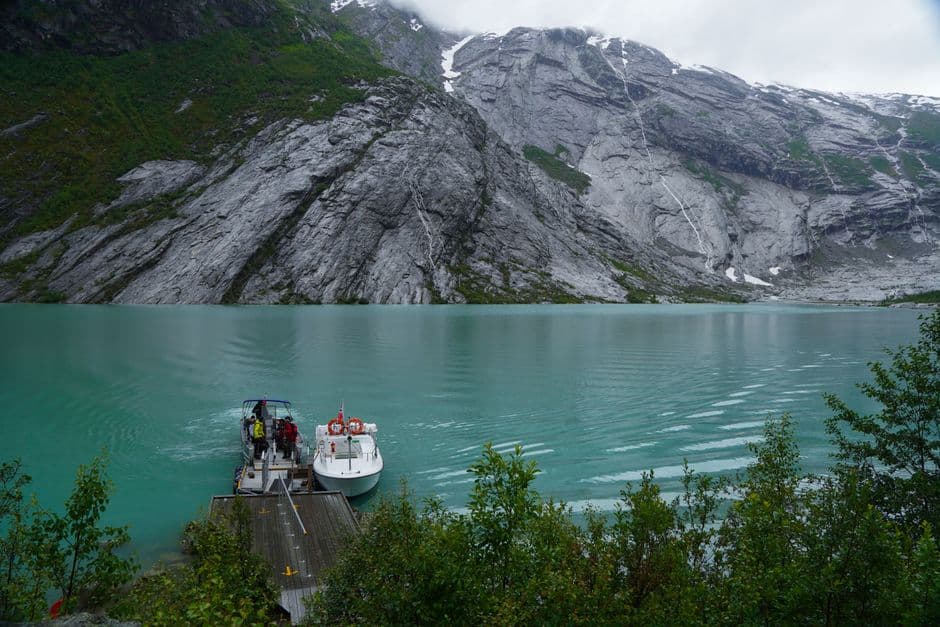
Norway is easiest to navigate by train and bus in cities and along main routes, while driving gives you access to the fjords and mountains — just plan around winter road closures and strict traffic laws. Entur, the national travel planner, is your best tool for timetables and tickets almost everywhere public transport runs.
What's the best way to get around?
Buses and trains are the most common and reliable way to travel across Norway, and the network is well-developed in cities and along major corridors. In rural areas, service is sparser, so check timetables in advance. Entur is the official national platform for planning routes, checking timetables, and buying tickets for nearly all public transport journeys — it's the single best starting point for any trip. Oslo is the only city in Norway with a subway system, so elsewhere you'll rely on buses, trains, and taxis. Taxis tend to be newer models, and some cities have electric taxis available.
What are the rules for driving?
Norway enforces its traffic laws strictly. Headlights must be on at all times while driving, even during the day. Winter tires are mandatory on all vehicles from November to April, with a minimum 3mm tread required when roads are snow- or ice-covered (5mm for trucks). Seatbelts are compulsory for everyone in the vehicle. The legal blood alcohol limit is just 0.02%, and police conduct frequent roadside breathalyzer checks — a conviction can mean jail time. Using a hand-held phone while driving is illegal and carries a fine of around 10,200 NOK. Speed limits are photo-enforced and often lower than elsewhere in Europe, with fines or jail time for violations. On-the-spot fines for driving offenses can reach 10,000 NOK. At intersections, yield to traffic from the right, and in roundabouts, yield to vehicles already circulating.
What are the roads actually like?
Outside Oslo and other major cities, most roads are simple two-lane routes. In mountainous regions, expect narrow, winding roads with frequent tunnels. Many mountain roads close due to snow from late fall through late spring, so check conditions before planning a route through high terrain. Statens vegvesen, the Norwegian Public Roads Administration, provides real-time traffic updates nationwide and is worth checking before and during any road trip.
What if something goes wrong on the road?
Roadside assistance is mainly handled by two providers: Viking (+47 06000) and Falck (+47 02222), both with 24/7 duty phones. Save these numbers before a road trip, especially if you're heading into rural or mountainous areas with limited services.
Staying connected while moving helps with navigating Entur schedules or checking road updates on the go, though specific details on Norwegian mobile coverage and data plans weren't part of this research — it's worth checking with major Norwegian operators or a Norway destination guide before you travel.
FAQ
Do I need winter tires if I'm only driving in summer? Winter tires are mandatory from November to April, so outside that window standard tires apply, though conditions can vary.
Can I drive through mountain routes year-round? Not always — many mountain roads close due to snow from late fall to late spring, so check Statens vegvesen for real-time updates first.
Is public transport reliable outside cities? It's well-developed overall, but sparser in rural areas, so check Entur ahead for timetables.
Sources
Related Topics
Stay Connected Anywhere
Prepaid eSIM data plans for 180+ countries and territories. No physical SIM required.