Where to photograph New Zealand's best landscapes — and when
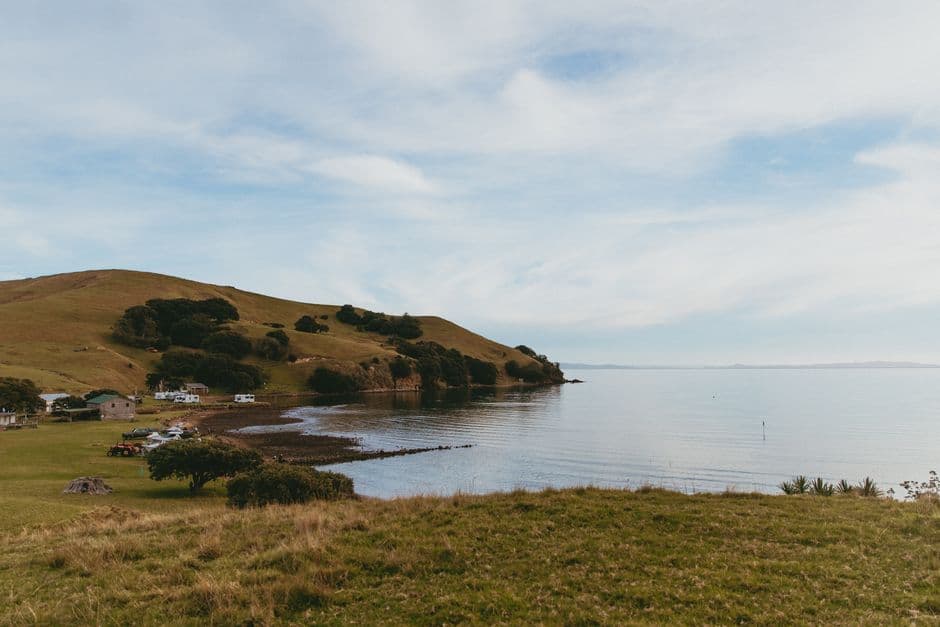
New Zealand's landscapes practically compose themselves, but timing makes the difference between a good shot and a great one. From mirror-still lake reflections to Milky Way skies, here's where to go and when.
Where to catch the best lake reflections?
Lake Matheson, in Westland Tai Poutini National Park on the West Coast, is known for its reflections of the surrounding mountains in the still water. For turquoise water paired with mountains, head to Lake Pukaki's classic viewpoint at the dam on SH8 (junction with SH80). Morning is best here — the mountains catch sun from the east, giving the clearest light and strongest colour contrast, while cloud tends to build over the peaks by midday. If you're visiting in winter (July–September), come after fresh snowfall for a dramatic contrast between the turquoise lake and white-capped mountains.
What about the famous Wānaka Tree?
The Wānaka Tree — a lone, twisted willow on Lake Wānaka's shoreline with the Southern Alps behind it — is one of New Zealand's most photographed scenes. It's most striking in autumn (April–May) when its leaves turn gold, or at sunrise (5:30–7:30am in summer, 7:30–8:30am in winter) when the light is soft and the water often lies flat and mirror-like. It's an easy stop: about 15 minutes' walk from Wānaka town centre, 5 minutes from Edgewater Hotel, and just 3–5 minutes from the car park.
While in Wānaka, golden hour (7:30–9:00pm in summer, 4:30–6:00pm in winter) bathes the mountains and tussock in warm light. After dark, the region's clear skies and low light pollution make it excellent for astrophotography — Eely Point, Mt Iron, and Kidds Bush are all good vantage points for the Milky Way.
Where else for night sky and fiord photography?
The Church of the Good Shepherd on Lake Tekapo/Takapō sits inside the Aoraki Mackenzie International Dark Sky Reserve and makes a strong foreground for Milky Way shots. For dramatic scenery on water, Milford Sound in Fiordland National Park offers sheer granite cliffs and Stirling Falls, reachable on a boat trip — famously dubbed the "eighth wonder of the world" by Rudyard Kipling.
Cape Reinga/Te Rerenga Wairua, in Northland's Te Paki Recreation Reserve, is another well-known photo location worth including on a wider North Island itinerary.
Any rules photographers should know?
Drones are banned in New Zealand's national parks and nature reserves, including Mount Aspiring and Fiordland National Parks, for conservation reasons. In Wānaka airspace, drones also can't be flown within 4 kilometres of airports or helicopter landing areas, including Wānaka and Queenstown airports — plan ground-based shots accordingly.
FAQ
Is sunrise or sunset better for the Wānaka Tree? Both work, but sunrise (5:30–7:30am summer, 7:30–8:30am winter) gives soft light and still, reflective water; autumn (April–May) adds golden foliage.
Can I fly a drone at Milford Sound or in Mount Aspiring National Park? No — drones are not permitted in New Zealand's national parks and nature reserves.
When's the best time for Lake Pukaki photos? Morning, for clearer light and colour contrast; winter after snowfall adds dramatic white-mountain contrast.
Sources
- https://www.doc.govt.nz/parks-and-recreation/places-to-go/west-coast/places/westland-tai-poutini-national-park/things-to-do/tracks/lake-matheson-walk/
- https://www.newzealand-spirit.com/guides/lake-pukaki-guide/
- https://www.wanaka.co.nz/wanaka-stories/your-guide-to-the-wanaka-tree/
- https://www.wanaka.co.nz/things-to-do/photography-in-wanaka/
- https://www.newzealand.com/int/photography/
- https://www.doc.govt.nz/parks-and-recreation/places-to-go/northland/places/te-paki-recreation-reserve/cape-reinga-te-rerenga-wairua/
Related Topics
Stay Connected Anywhere
Prepaid eSIM data plans for 180+ countries and territories. No physical SIM required.