Travel Belgium the right way: forests, locals, and real impact
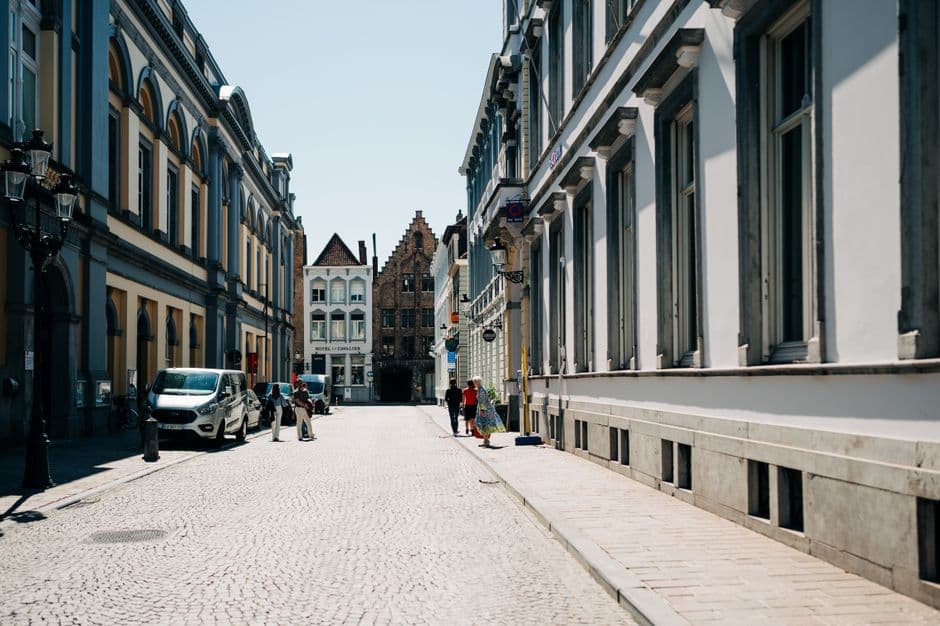
Belgium rewards travellers who slow down, respect its nature rules, and spend money where it actually helps local people — small hotels, local shops, and makers rather than generic souvenir stalls. Visiting responsibly here is less about avoiding crowds and more about how you move through forests, markets, and communities once you arrive.
How do I protect Belgium's forests and nature areas?
In Flemish forests and nature areas, stay on designated paths and roads at all times — don't cut across or wander off, and motorized recreational vehicles aren't permitted. Avoid making fires, pitching tents, disturbing animals, nests or eggs, picking vegetation, making noise, or littering. In recognized natural reserves, the rules are stricter still: no sports activities, structures, motorized vehicles, pesticide use, or unauthorized flights/landings, and anything that disturbs wildlife or damages plants is off-limits. Practically, that means using biodegradable soap if washing outdoors, never deviating from paths unnecessarily, avoiding water pollution, carrying out your own waste, and not smoking in nature reserves or forests.
How can I support local people and the local economy?
Choose smaller family-run hotels or community-based accommodation that directly involves local people, or try agro-tourism if available. Use local shops and local guides rather than defaulting to international chains. Eat locally-produced food — it supports both the environment and the local economy, and it's a good way to discover regional specialties. When buying souvenirs, try to buy directly from the makers where possible, and never purchase items made from illegal materials; always respect the seller's minimum viable price rather than haggling aggressively. It's also worth understanding local tipping habits in advance, since tips can matter more than visitors expect for some families' income.
What about photographing people and visiting cultural or religious sites?
Always ask permission before photographing people, and if payment is requested, negotiate a fair price — never give money directly to children. Before visiting religious sites or engaging with local customs, research expected dress codes, greetings, norms around bodily contact, eating habits, and protocols for contact between people of different sexes or status. If you're interacting with a local community in a more structured way, make clear agreements in advance about any fees, access, or places you're permitted to visit, and respect their culture throughout.
What else should I know about travelling lightly?
Travelling slower and less frequently reduces impact, and offsetting carbon emissions through organizations focused on sustainable energy or reforestation is worth considering. Never take items that count as illegal souvenirs — including endangered species, fossils, arrowheads, corals, or potsherds — and avoid food like bush meat connected to poaching. Local laws apply to all visitors regardless of nationality, so it's your responsibility to know and follow them, and to stay sensitive to customs that might otherwise be seen as improper or offensive.
FAQ
Can I walk off-trail in Flemish forests for a better view? No — pedestrians must stay on designated paths and roads in Flemish forests and nature areas; leaving them isn't permitted.
Is it okay to haggle hard on souvenirs? You can negotiate, but haggling should respect the seller's minimum viable price — and buying directly from the maker is preferable when possible.
Should I tip in Belgium? Research local tipping habits before you go, since tips can form a meaningful part of some families' income.
Sources
Related Topics
Stay Connected Anywhere
Prepaid eSIM data plans for 180+ countries and territories. No physical SIM required.