Spread the load: why skipping Bali's hotspots matters for Indonesia
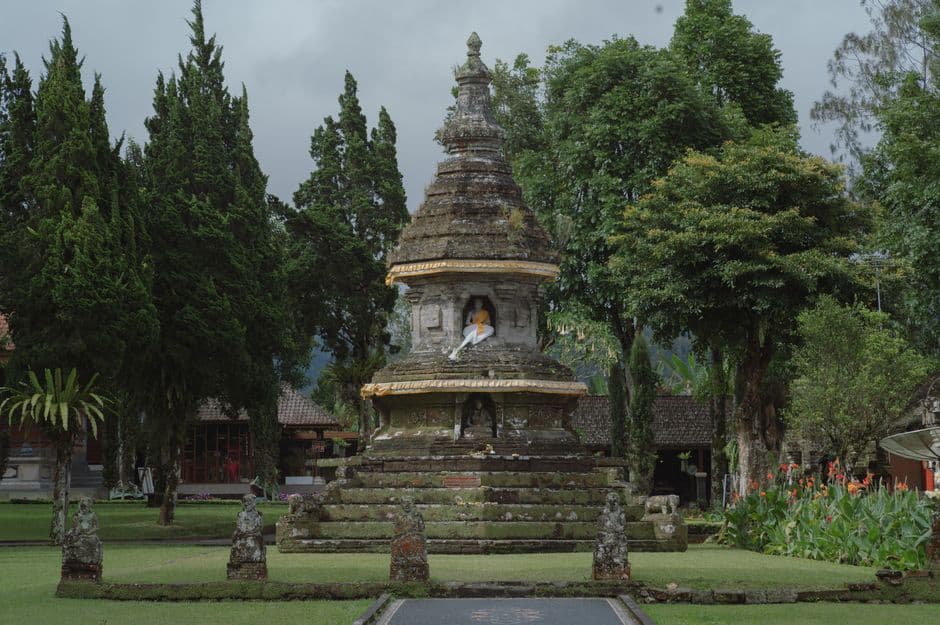
Indonesia's tourism boom has a real cost: Bali and Lombok are already past their ecological and social limits in places, so the most responsible thing you can do is spread your visit and spending beyond the hotspots and think carefully about where your money actually goes.
Why is this an issue in Bali and Lombok specifically?
Bali drew over 6.3 million international arrivals in 2019, up sharply from 2.3 million in an earlier period — growth that outpaced infrastructure. Stakeholders report severe congestion, water scarcity, and overwhelmed waste systems in Kuta and Ubud, while tourists produce significantly more waste per capita than locals, straining systems already at capacity. In Lombok, rapid growth in Senggigi and the Gili Islands is driving environmental degradation and social disruption. A dive operator in Gili Trawangan described bleached corals and visible plastic pollution, noting waste infrastructure "cannot handle the number of visitors." Experts trace this to governance gaps — fragmented policy and weak enforcement — rather than visitor numbers alone.
How can I avoid harming local culture?
In Ubud, a community leader said traditions are "being turned into mere attractions, losing their sacred meaning," with dances shortened and performed for tips rather than ceremony. In Lombok's Sade Village, the Sasak community has reported feeling displaced from ancestral land as tourism drives real estate conversion. Be a respectful audience: pay fairly for cultural performances, don't treat ceremonies as photo ops, and support cultural tourism and agrotourism options rather than only the packaged, commercialized versions concentrated in saturated areas.
How do I make sure my money reaches local people?
Small vendors report that despite visible tourist spending, most profit is captured by big hotels and foreign companies, while locals face higher living costs from the same tourism boom. Community-Based Tourism (CBT) models are specifically highlighted as a way to counter this — empowering local stakeholders and distributing benefits more equitably. Lombok's Rinjani area is cited as an example where CBT integrates cultural preservation, environmental stewardship, and local income. Where possible, choose community-run guesthouses, guides, and tours over large foreign-owned operators, and verify any operator's local/community affiliation before booking.
What about water and waste?
Bali's tourism industry consumes over half the island's groundwater, according to local environmental NGOs, drying up the sacred Subak irrigation systems that underpin both agriculture and cultural heritage. Practical low-impact habits — minimising water use, carrying reusable bottles, avoiding single-use plastics — directly address the pressures locals and NGOs are flagging. Awareness campaigns encouraging exactly this kind of low-impact, custom-respecting travel are being actively promoted as part of the solution.
Should I skip Bali and Lombok entirely?
Not necessarily — diversification, not avoidance, is the recommended fix. Promoting alternative destinations and dispersing visitors away from Kuta and Ubud is identified as key to easing pressure on those hotspots while still allowing tourism's economic benefits to reach more communities.
FAQ
Do I need to complete anything before arriving in Indonesia? Yes — an arrival card online or via the All Indonesia app, completed within 72 hours of arrival (not earlier); save the QR code for Immigration and Customs.
Are there official visitor quotas in Bali or Lombok? Current specifics weren't available in this research — check local tourism authorities or Bali's provincial tourism office for the latest rules.
Is Community-Based Tourism easy to find and verify? No vetted operator list was available — independently verify any operator's community affiliation and credentials before booking.
Sources
Related Topics
Stay Connected Anywhere
Prepaid eSIM data plans for 180+ countries and territories. No physical SIM required.