Skip the jeepneys: safe transport options for Philippines travelers
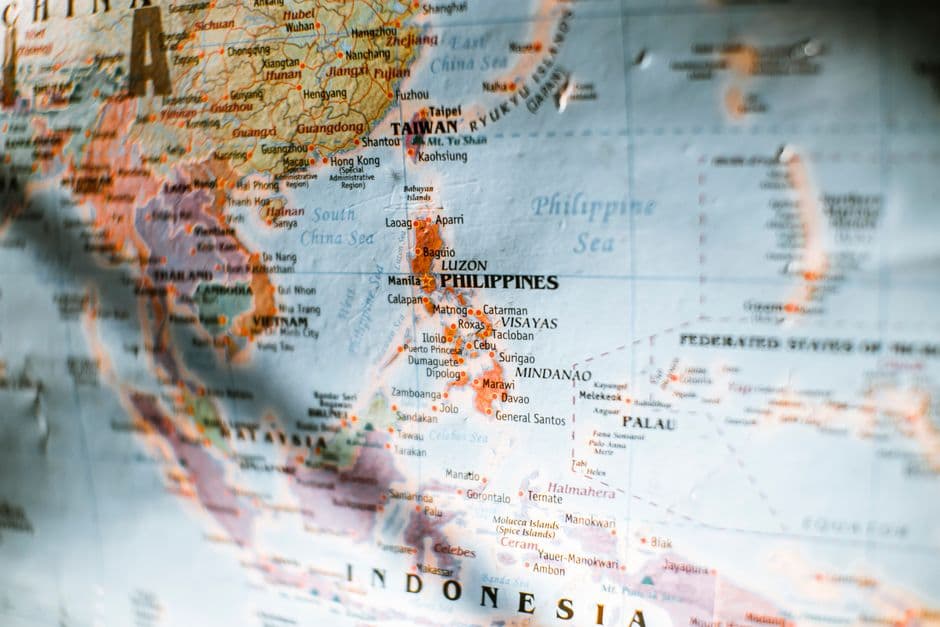
Getting around the Philippines takes some planning: public buses, jeepneys, and shared taxis carry real safety concerns, so most travelers are better off with accredited rideshare apps or hotel hire cars, while driving yourself means facing dense, unpredictable traffic and roads that reward caution over confidence.
Should I drive myself or use rideshare?
Rideshare is the more practical choice for most visitors. U.S. embassy personnel are barred from using public buses, jeepneys, shared taxis, or light rail over safety concerns, which signals the level of caution worth applying as a traveler too. Instead, use accredited rideshare providers like Grab, inDrive, or JoyRide, or hotel hire cars, especially at airports. Before booking, check that your provider is currently approved on the Land Transportation Franchising and Regulatory Board (LTFRB) website, since some providers' accreditations have been cancelled.
If you do drive, know that traffic is dense and unpredictable, roads are frequently congested, and drivers are often undisciplined — risky territory if you're not used to local conditions. Avoid driving off national highways and paved roads, and don't expect vehicles to stop for pedestrians. Stick to daylight hours, especially in rural areas, since street lighting can be poor and nighttime driving is best avoided altogether.
What license do I need to drive?
Canadian citizens can drive on a valid Canadian licence for up to 90 days before needing a local permit. Australian citizens can use a current (physical, not digital) Australian licence for the same 90-day window before switching to a Philippines licence. Regardless of nationality, carry an international driving permit while driving. Never use a cell phone or text while driving — it's illegal in the Philippines as in many countries.
Are ferries and inter-island travel safe?
Exercise caution with all public transportation, including inter-island ferryboats. There have been 19 major inter-island ferryboat accidents since 2012, two involving significant loss of life. Weigh this against flights or accredited transport options where possible.
What about airports and safety basics?
At Ninoy Aquino International Airport (NAIA), if you need to change terminals, use the free airport shuttle bus or an accredited rideshare provider like Grab. In any vehicle, always wear a seatbelt and sit in the back seat of cars and taxis. On motorbikes or bicycles, always wear a helmet.
FAQ
Do I need to register my trip anywhere before arriving? Yes — all travelers must register entry and exit in the Philippines' eTravel System within 72 hours before travel.
Is it safe to take a jeepney or public bus? U.S. embassy personnel are not permitted to use public buses, jeepneys, shared taxis, or light rail due to safety and security concerns — a useful benchmark for any traveler weighing these options.
Can I use my regular driver's licence the whole trip? Only for a limited window. Canadian and Australian licence holders can drive for up to 90 days after arrival, after which a local Philippines licence is required. Carry an international driving permit as well.
Sources
- https://travel.state.gov/content/travel/en/international-travel/International-Travel-Country-Information-Pages/Philippines.html
- https://www.smartraveller.gov.au/destinations/asia/philippines
- https://wwwnc.cdc.gov/travel/destinations/traveler/none/Philippines
- https://travel.gc.ca/destinations/philippines
Related Topics
Stay Connected Anywhere
Prepaid eSIM data plans for 180+ countries and territories. No physical SIM required.