Saudi Arabia Souvenirs: What's Worth Buying & Where to Haggle Smart
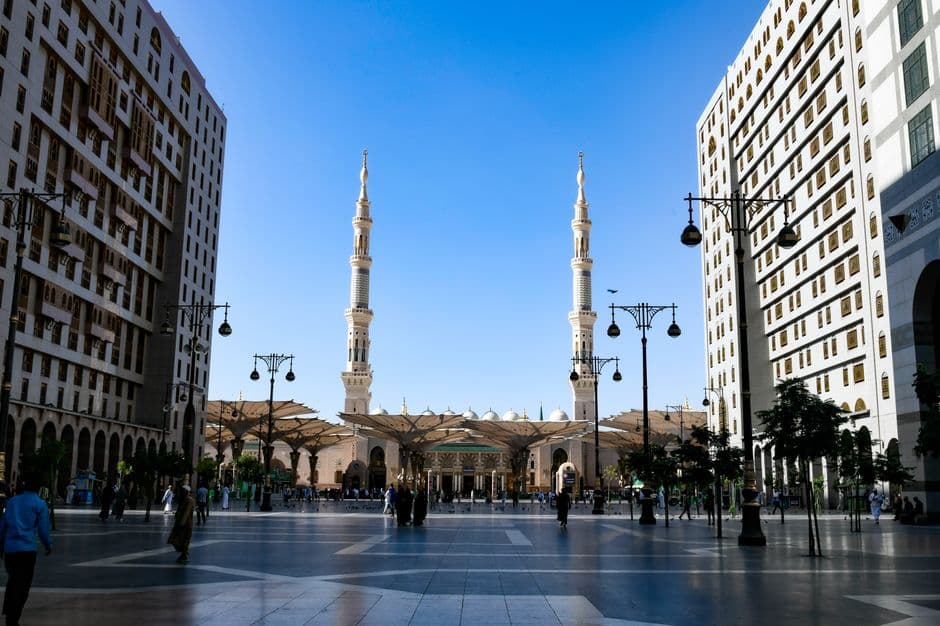
The best souvenirs from Saudi Arabia are the ones tied to daily culture — dates, coffee pots, gold, incense, and spices — and the trick to fair prices is shopping in traditional souks rather than malls or airport shops, then bargaining properly.
What's actually worth buying?
Premium Ajwa dates from Madinah (SAR 100–150/kg, gift boxes SAR 200–350/kg) and Sukkari dates from Al-Qassim are top picks — buy from local markets rather than tourist shops for better value, and note prices rise 10–20% during Ramadan. A brass or copper dallah (coffee pot), from simple functional versions (SAR 50–100) to ornate collector's pieces (SAR 500+), paired with real Saudi qahwa, makes an authentic gift. Frankincense, myrrh, and bukhoor (scented wood chips blended with oud, musk, and essential oils) are distinctly Arabian and widely available in souks. For jewelry, Saudi gold is 21- or 22-karat, priced by weight against the daily international gold rate plus a making charge — buy it in souks rather than malls, and check for promotional pricing with waived making charges around Saudi National Day or after Hajj.
Where should you go?
- Thumairi Market (Riyadh) — spices (cardamom, saffron, cloves, nutmeg) sold loose by weight well below Western supermarket prices, traditional coffee, handmade misbaha (rosary beads), and gold/jewellery below mall rates.
- Souq Al Zal (Riyadh) — a 9.5-acre market dating to 1901, for antiques, rare coins, vintage utensils, musical instruments, incense burners, oud, abayas, and bukhoor. Best visited in late afternoon when it's busiest.
- Al Balad (Jeddah) — UNESCO-listed old town with Souk Al Alawi (Saudi Arabia's largest souk) and Souk Qabil (possibly Jeddah's oldest), selling spices, handicrafts, carpets, jewellery, and traditional dress. The Al Balad Gold Market has competitively priced 22-karat gold.
How do you avoid tourist-trap markups?
Bargaining is expected and treated as a friendly social exchange, not confrontation. A common approach: the seller quotes a price, you counter at roughly 40–50% of it, then meet in the middle. Visit a few stalls first to gauge going rates before committing — this gives you leverage. Buying multiple items from one vendor (spices, dates, incense) often unlocks noticeably lower per-unit prices. Carry smaller-denomination riyals, since many souk vendors prefer cash and may knock off a small discount to avoid card fees, though malls and larger shops take cards freely.
When should you shop?
All shops, including malls, pause briefly for the five daily prayers (20–30 minutes each) — plan around Dhuhr and Asr in particular. Malls generally run 10am–midnight (later on Thursday/Friday nights, and until 2am–3am during Ramadan). Souks open early, close during the hottest afternoon hours, then reopen until roughly 9–10pm — late afternoon is the liveliest time to visit.
If you're staying connected to check prices or navigate between souks, see Saudi Arabia travel essentials for eSIM options.
FAQ
Can I get a VAT refund on souvenirs? Yes — visitors can reclaim 15% VAT on eligible purchases over SAR 500 (~USD 133) at over 1,400 authorised outlets. Request a tax-free form at purchase and present receipts, passport, and goods at the airport VAT refund counter before departure.
Is haggling rude? No — it's expected in souks and considered a normal, friendly exchange rather than confrontational.
Gold souk or mall for jewelry? Gold souks like Al-Thumairi Street (Riyadh) and Al Balad (Jeddah) charge lower making fees than mall shops.
Sources
Related Topics
Stay Connected Anywhere
Prepaid eSIM data plans for 180+ countries and territories. No physical SIM required.