Visa rules for Saudi Arabia: who needs one, and what gets stopped at customs
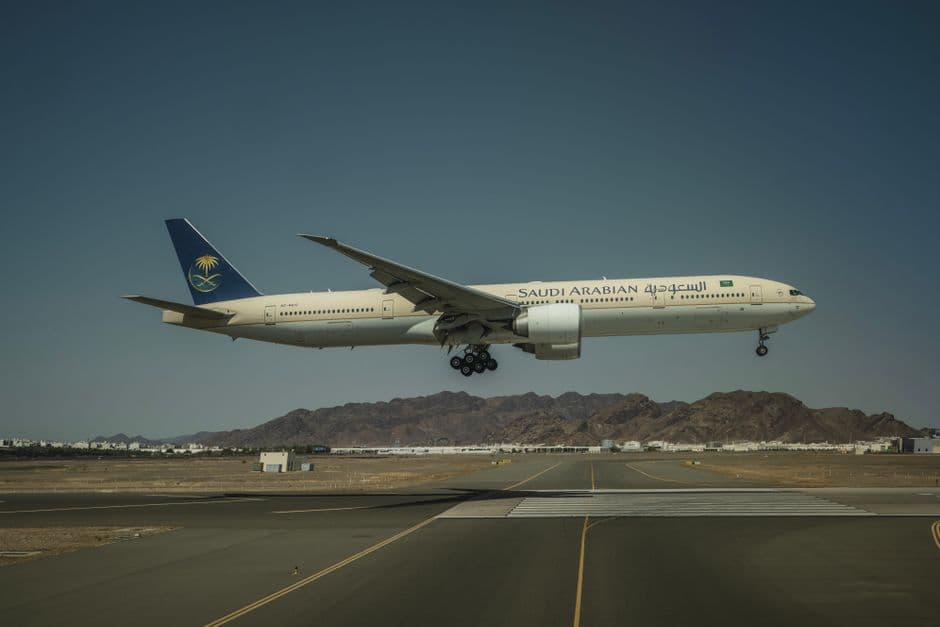
Almost everyone needs a visa to enter Saudi Arabia — the exception is GCC citizens and residents, who can travel with just a valid national ID or residence permit. For everyone else, the right visa depends on nationality, purpose of travel, and how long you plan to stay, so it's worth checking exactly which option applies to you before booking flights.
Do I need a visa, and which type?
Most travellers need a visa; only GCC citizens/residents are exempt (valid National ID or residence permit required). For everyone else, there are several routes, each with different validity and stay limits:
- eVisa: For eligible nationals from 65+ countries, applied for online or on arrival at any Saudi international airport. Valid 365 days from issue, multiple entries, up to 90 days total stay within that year. Includes health insurance up to 100,000 SAR.
- ETA (electronic travel authorisation): Valid 730 days from issue, multiple entries, but only 180 days total across that period.
- Electronic visa waiver: Single entry, stay up to 180 days. Apply online at least 48 hours before your flight, and up to 90 days in advance.
- GCC-resident eVisa: Available via visa.visitsaudi.com for residents of various nationalities living in GCC countries.
A separate visa is required for Hajj — it's not covered by tourist, business, or standard e-visas. Note that holding an eVisa doesn't guarantee entry; an Immigration Officer decides at the border.
What are the passport rules?
Your passport must be valid for at least six months from your date of entry into Saudi Arabia. Also be aware: you may be refused entry if your passport shows travel to, or birth in, Israel.
What can't I bring in, and what must I declare?
Items illegal to import include alcohol, pork and pork products, pornographic material, distillery equipment, weapons, narcotics, re-treaded or used tyres, used clothing (except for personal use), and certain religious sculptures. Some items — personal videos, books, and electronics — may be examined on entry, and special approval is needed for things like agricultural seeds, live animals, religious books, chemicals, pharmaceutical products, wireless equipment, and archaeological artefacts.
If you're carrying gold bullion, precious metals, gemstones, or jewellery worth SAR 40,000 or more (or the equivalent in another currency), you must declare it at customs.
What happens if I overstay?
Overstaying your visa can lead to large fines, detention, deportation, and a ban on returning to Saudi Arabia. Since the mandatory health insurance bundled with an e-visa offers minimal coverage, consider additional travel insurance for medical costs, which can be expensive locally.
Travellers entering via land border crossings should also note that a new "Absher Travel for Visitors" service launched 26 October 2026 and becomes mandatory for land-border arrivals around April 2027 — check current status before a land crossing.
FAQ
Can I get my visa on arrival? Yes — the eVisa can be applied for online or on arrival at any of Saudi Arabia's international airports, subject to nationality eligibility.
Does an eVisa guarantee I'll be let in? No. Entry is always subject to conditions checked at the border and is at the discretion of the Immigration Officer.
Do rules change often? Yes — verify current requirements with the Ministry of Foreign Affairs, GDRFA, your airline, or the nearest Saudi Embassy before you travel.
Sources
Related Topics
Stay Connected Anywhere
Prepaid eSIM data plans for 180+ countries and territories. No physical SIM required.