Solo in Italy: Trains, aperitivos, and which crowds to avoid
Italy is one of the easier countries in Europe to travel alone: trains link every major city so you rarely need to plan around anyone else, and the culture around aperitivo hour makes it simple to strike up conversation even without trying hard. The main thing to manage isn't loneliness or logistics — it's pickpockets in specific tourist hotspots and a couple of routes worth planning around carefully.
How easy is it to get around solo?
Very easy. High-speed trains (Trenitalia and Italo) connect major cities for roughly €15-50 if booked ahead, and regional trains cover smaller towns for €5-12, all bookable through apps — no car needed for a city-to-city itinerary. The exception is the Amalfi Coast's SS163, one of Europe's most accident-prone roads with multiple tourist driving fatalities each summer. Skip self-driving there and use SITA buses (€4-5/ride), a private driver (€350-500/day), or seasonal ferries between Positano, Amalfi, Salerno, and Capri (April-October only).
How do solo travelers meet people?
Free walking tours run in every major city on a tip basis and tend to draw other solo travelers and couples — a low-pressure way to learn a city's layout and pick up local tips from a guide. Aperitivo hour (18:00-21:00) is the other reliable social opening: sit at a bar with a spritz and the aperitivo buffet and you'll typically be chatting with someone within 20 minutes. It's a genuinely social ritual, not just a happy hour.
Where should solo travelers be careful, and when?
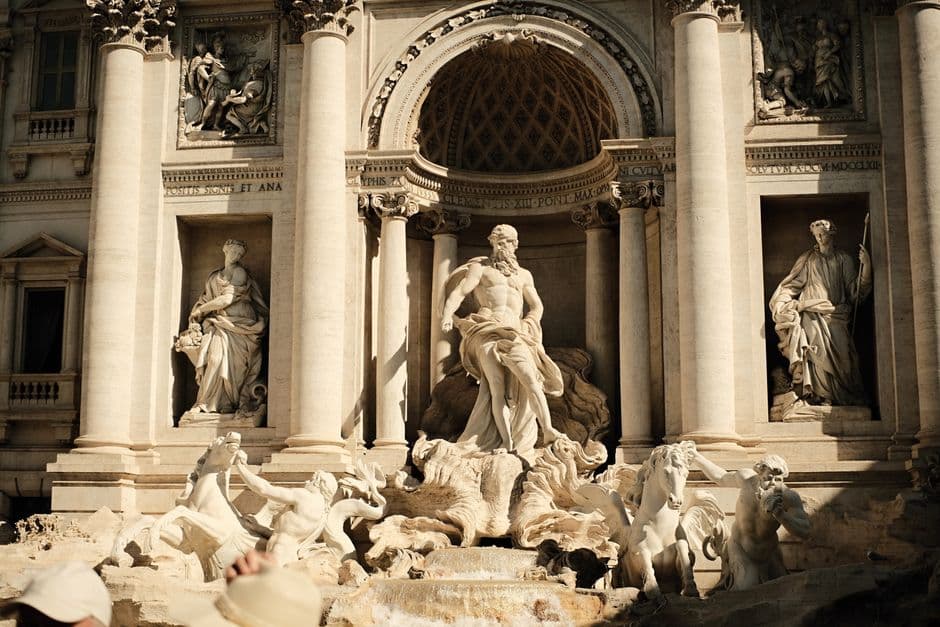
Violent crime against tourists is rare in Italy; pickpocketing is the dominant risk, concentrated in specific spots: Rome (Termini station, the Vatican area, Trevi Fountain), Naples (historic centre, Spaccanapoli, the train station), and on Milan and Florence trains. Basic vigilance in these areas covers most of the risk. The US State Department places Italy at Level 2 (exercise increased caution) as part of its general European terrorism baseline; the UK FCDO has no overall advisory against travel. For a calmer pace, Sicily sees less crime than the mainland, and the Dolomites, Tuscan countryside, and lakes rank among Europe's safest places. If you do head to the Amalfi Coast, avoid July-August — heat hits 38°C+ with heavy traffic gridlock — and aim for late April-mid-June or September-October instead.
What about language and health prep?
English is common in tourist areas and among younger Italians, but in smaller southern towns a few basic phrases (per favore, grazie, il conto, quanto costa) go a long way. Carry an EHIC/GHIC card for state healthcare access in the EU, though this isn't a substitute for travel insurance — make sure your policy covers your actual itinerary and activities. A health check-up 4-6 weeks before departure is ideal, but even a late appointment is worth having.
FAQ
Is Italy safe for a solo traveler? Violent crime against tourists is rare; the real risk is pickpocketing in known hotspots like Termini, the Vatican area, Trevi, and central Naples. Basic awareness in those spots addresses most of the concern.
What's the easiest way to travel between cities alone? Trains — high-speed for €15-50 and regional for €5-12 when booked ahead — cover the country well and remove the need to drive.
Should I drive the Amalfi Coast myself? It's not recommended; the SS163 sees frequent tourist accidents. Use SITA buses, a private driver, or ferries instead.
Sources
Related Topics
Stay Connected Anywhere
Prepaid eSIM data plans for 180+ countries and territories. No physical SIM required.