Can you really travel solo in Japan? Safety, transit & what to expect
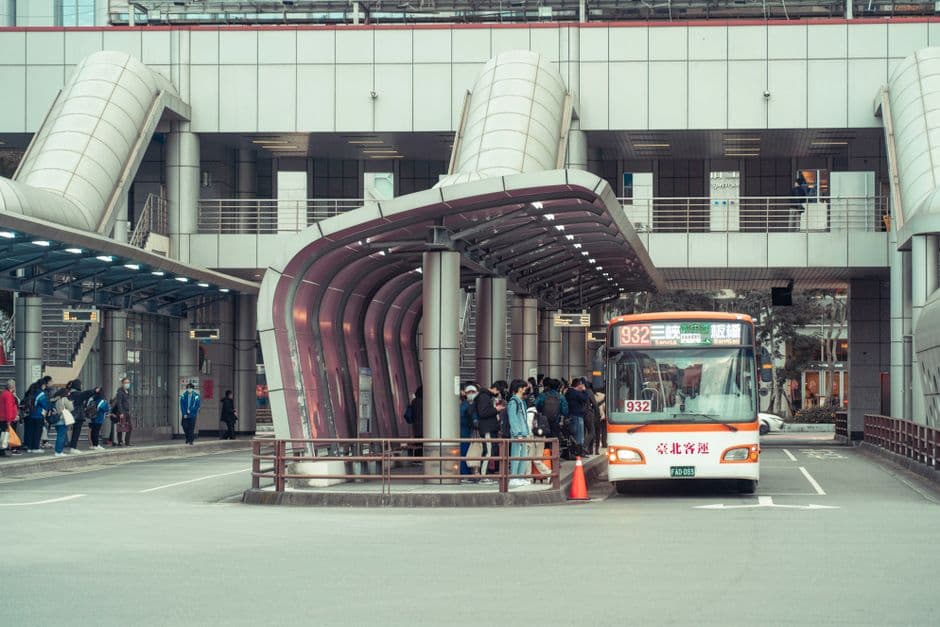
Japan is one of the easiest countries in the world to travel alone, thanks to reliable trains, a low crime rate, and infrastructure that genuinely caters to solo diners and travelers. You can navigate almost entirely on your own with an IC card and a phone, and meeting other travelers is easy if you seek it out through hostels or tours.
How easy is it to get around alone?
Very. Trains and buses are highly reliable, and Google Maps gives detailed navigation down to which station exit to use and which train carriage to board. Load an IC card (Suica or Pasmo) with ¥5,000–¥10,000 and it covers trains, buses, convenience stores, and vending machines — no need to buy individual tickets. These cards are available at major stations or through the Suica app on iPhone. The one catch: buses in the countryside can be infrequent, so check schedules at a local tourist information center before relying on them.
Is it safe to travel alone, including at night?
Japan has a reputation for being safe with a low crime rate, and it's generally safe for women to walk alone at night. Lost items are often returned with contents intact, which reflects the overall sense of trust. Still, apply the same judgment you would at home — stay aware on dimly lit streets and avoid assuming zero risk. Police boxes (koban) are in every neighborhood, even remote ones, and are a safe place to go if you need help. Many trains also run women's-only carriages during rush hours, marked with pink signage on the platform and train.
Will I be able to eat alone comfortably?
Yes — solo dining is completely normal and well accommodated. Restaurants and izakaya typically take single-diner reservations, casual spots often have individual cubicles, and counter seating is common everywhere, so eating alone never feels out of place.
How do I meet people while traveling solo?
Join day tours, stay in hostels, or sign up with local volunteer guides or home-visit programs — all are straightforward ways to connect with other travelers or locals during your trip.
What should I know before I go?
Citizens of the US, UK, EU, Canada, Australia, and roughly seven other countries can enter visa-free for up to 90 days with a valid passport. Note Japan's planned ESTA-style pre-authorization (JESTA) isn't active yet, though mandatory rollout is expected around 2028–2029 — check official sources closer to your trip. Travel insurance is essential, since healthcare, while high quality, is expensive without it (a doctor's visit can run ¥5,000–¥10,000, more for emergencies). Keep 119 (ambulance/fire) and 110 (police) saved, and remember 24-hour convenience stores are always available as a safe place to wait if you need to sort out transport or handle an emergency.
FAQ
Do I need to speak Japanese to get around alone? Not covered in detail here, but tools like Google Maps provide turn-by-turn transit navigation that reduces the need for language skills.
What if I get sick or need help at night? Head to a koban (police box) for safety issues, use 119 for medical/fire emergencies or 110 for police, or wait at a 24-hour convenience store while arranging help.
Is solo female travel specifically safe? Japan is generally considered safe for women walking alone at night, and women's-only train carriages are available during rush hours for extra comfort.
Sources
- https://www.japan-guide.com/e/e2305.html
- https://www.lonelyplanet.com/articles/guide-to-solo-travel-japan
- https://thestandardjapan.com/travel/solo-travel-japan-guide
- https://tomsolotravels.com/blog/solo-travel-japan-planning-guide/
- Japan Travel Advisory | Travel.state.gov - State Department
- https://www.gov.uk/foreign-travel-advice/japan
- https://japanwanderlust.com/japan/is-japan-safe-for-solo-female-travelers/
Related Topics
Stay Connected Anywhere
Prepaid eSIM data plans for 180+ countries and territories. No physical SIM required.