Solo in South Korea: Why it's easier (and safer) than you'd think
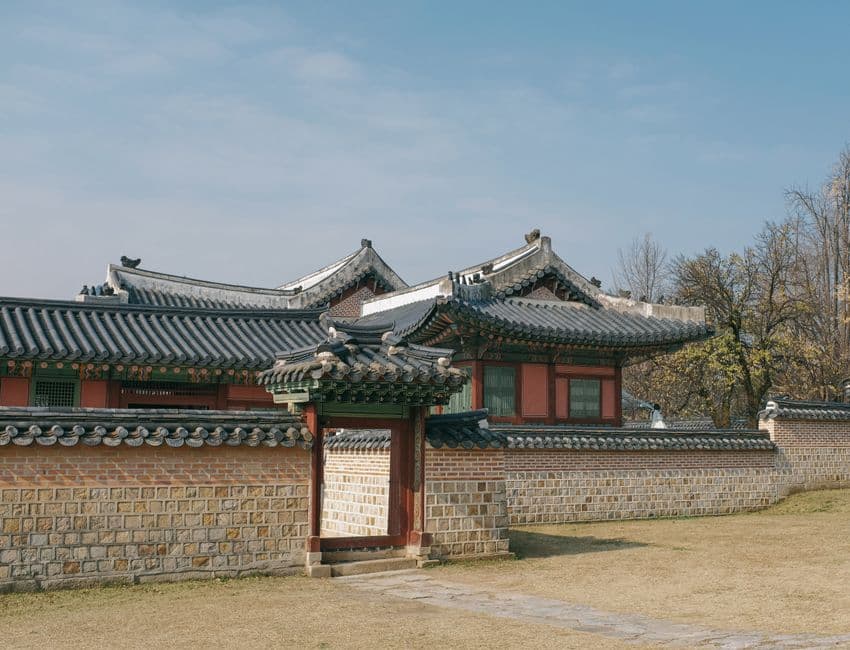
South Korea is one of the easiest and safest places to travel solo — it ranks 16th on the Numbeo Crime Index, cities are dense with public security cameras, and locals are often genuinely curious and willing to chat with solo travelers. Getting around is cheap and straightforward once you've got the right apps loaded, and the main challenges are practical (language, navigation tools) rather than safety-related.
How easy is it to get around alone?
Very manageable. City buses and metro rides rarely cost more than ₩2,500 (about £1/US$2) and metro tickets average ₩1,500-2,000. A T-Money card works across the country for subways, buses, convenience stores, some vending machines, and even taxis, so it's worth getting one early. For traveling between cities, buses cost no more than ₩21,000 (£11/US$15) for 2-4 hour trips, while the Seoul-Busan train route runs over ₩50,000 (£25/US$34) one-way. Seoul's metro is straightforward once you know the trick: select your destination and ticket number via the English translation button, then pay. Note that not every city has a subway — Yeosu, for example, relies entirely on buses, taxis, or walking.
Google Maps doesn't work well here, so download Naver Maps or Kakao Maps before you arrive. For rides, Kakao T is the main app and covers most of the country; in cities without Uber, like Busan and Jeju Island, you can still book Kakao T rides through the Uber app.
Will I meet people traveling alone?
Solo travelers often find Koreans more willing to initiate interaction than they might expect, a reflection of a strong cultural emphasis on companionship and collaboration. This tends to make solo trips feel less isolating than in some other destinations.
Is it safe, and does that change by area or time?
The facts don't break down safety by specific area or time of day, but the overall picture is reassuring: low crime rates, a high safety ranking, and widespread public surveillance cameras in cities. One rule to know regardless of where you are — jaywalking is illegal, and crossing outside designated points or against signals can result in fines.
What about language and connectivity?
Outside major tourist hubs like Seoul, Busan, and Jeju, language can be a real barrier — Korean uses a different alphabet and isn't linguistically similar to Western languages, so navigation apps and translation tools become more important the further you stray off the beaten path. For data, Woori offers SIM cards for 5-30 days with unlimited data, ranging from ₩15,000 (£8/US$11) to ₩30,000 (£15/US$20).
FAQ
When's the best time for solo travel in South Korea? April is considered ideal, combining warm weather with cherry blossom season.
Do I need a visa or K-ETA? For 2026, many visa-exempt visitors require a K-ETA, applied for online at least 72 hours before departure, with a fee around 10,000 KRW ($8-9 USD). Requirements can change, so verify directly with official South Korean immigration authorities before booking.
Is Seoul easier for solo travelers than smaller cities? Language barriers are more noticeable outside Seoul, Busan, and Jeju, and not all cities have subway systems, so smaller destinations require more reliance on buses, taxis, or walking.
Sources
- An Expat's Guide To Solo Travel In South Korea
- https://blog.studiesabroad.com/2022/11/16/alumni-spotlight-emily-creasman/
- Everything you need to know about getting around South Korea - Lonely Planet
- https://honge.ai/public/blog/posts/south-korea-vegan-solo-itinerary.html
- What to know before traveling to South Korea - Lonely Planet
- South Korea Travel Advisory | Travel.State.gov
- Safety and security - South Korea travel advice - GOV.UK
- https://www.voyageroams.com/south-korea-budget-travel-guide/
- Korea Travel Guide: Plan a First Trip — K-ETA, KTX, Where to Go & Budget (2026)
Related Topics
Stay Connected Anywhere
Prepaid eSIM data plans for 180+ countries and territories. No physical SIM required.