When to visit Spain: seasons, crowds, and what to pack
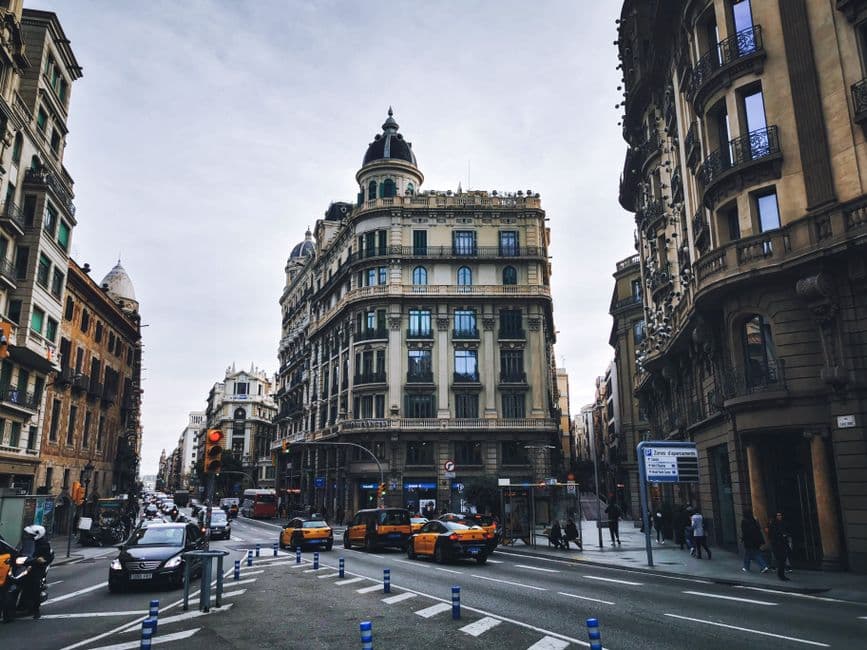
The best time to visit Spain is during the shoulder seasons—late April to May and September to early October—when weather is comfortable and crowds are thinner than in peak summer. Each season still offers something different, so the "right" time really depends on what you want to do.
What's the weather like by season?
Spain's tourist calendar breaks into three periods: Low Season (November–February), Shoulder Seasons (March–May and September–October), and High Season (June–August). Summer brings serious heat: June 2025 averaged 23.6°C nationally, beating the previous record by 0.8°C and running 3.5°C above the 1991–2020 average, with heat-related mortality notably elevated. If you're heat-sensitive, this matters when planning a June–August trip, especially inland.
When are the fewest crowds?
Shoulder seasons (late April–May, September–early October) offer the best balance of good weather and lighter crowds. Winter (November–February) sees the fewest visitors overall, making it a good window for unhurried city sightseeing in Madrid or Granada. Coastal spots like Costa del Sol also get quiet beaches in winter, and plazas across the country are decorated for the holidays from late November through Epiphany in January.
What can you do season by season?
- Winter: City sightseeing in Madrid or Granada; skiing in the Pyrenees (Baqueira/Beret) or Sierra Nevada; quiet beaches on Costa del Sol; holiday-lit plazas nationwide.
- Spring: Hiking, birding, and canyoning in Aragón; sightseeing in the Balearic and Canary Islands; food experiences in Catalonia and the Rioja wine region; Valencia's Fallas festival.
- Summer: Festivals like La Tomatina in Buñol and the Battle of Wine in Haro; cooler-region escapes to Galicia, Asturias, and San Sebastián.
- Fall: Chocolate con churros in Madrid; exploring Salamanca and Segovia's Roman aqueduct; Extremadura's cheese route; food festivals.
What should you pack, and what's the entry rule?
Specific packing lists aren't well documented, but general logic follows the season: lighter layers for shoulder months, heat-conscious gear (sun protection, hydration habits) for summer given the elevated temperatures and heat-related risks noted above, and warmer layers for winter, especially if heading to ski resorts in the Pyrenees or Sierra Nevada.
For entry in 2026, travellers must show minimum economic means of €122.10 per person per day, with a minimum total of €1,089.90 regardless of stay length—provable via cash, traveller's cheques, a credit card with bank statement, or a bank book. Check current requirements before departure since these figures are dated to mid-2026.
If you're planning connectivity ahead of the trip, it's worth sorting a data plan before arrival — see /destinations/spain for more.
FAQ
Is summer worth it despite the heat? Yes, if you're drawn to specific summer-only events like La Tomatina or the Battle of Wine, or to cooler northern regions like Galicia, Asturias, and San Sebastián.
Is winter a bad time to visit? No — it's actually ideal for quieter city sightseeing in Madrid or Granada, skiing in the Pyrenees or Sierra Nevada, and quiet coastal towns like those on Costa del Sol.
How much money do I need to show at entry? As of 2026, €122.10 per person per day, with a minimum total of €1,089.90 regardless of stay length.
Sources
- https://www.intrepidtravel.com/us/spain/best-time-to-visit-spain
- https://www.travelandleisure.com/travel-tips/best-times-to-visit-spain
- https://vsf-iwsold-pro-portal.sanidad.gob.es/en/gabinete/notasPrensa.do?id=6721
- https://www.nationalgeographic.com/travel/article/spain-essentials-travel-guide
- https://www.exteriores.gob.es/Consulados/nuevayork/en/ServiciosConsulares/Paginas/Consular/Condiciones-de-entrada-en-Espana.aspx
Related Topics
Stay Connected Anywhere
Prepaid eSIM data plans for 180+ countries and territories. No physical SIM required.