Why UK nightlife is closing earlier — and what's actually open now
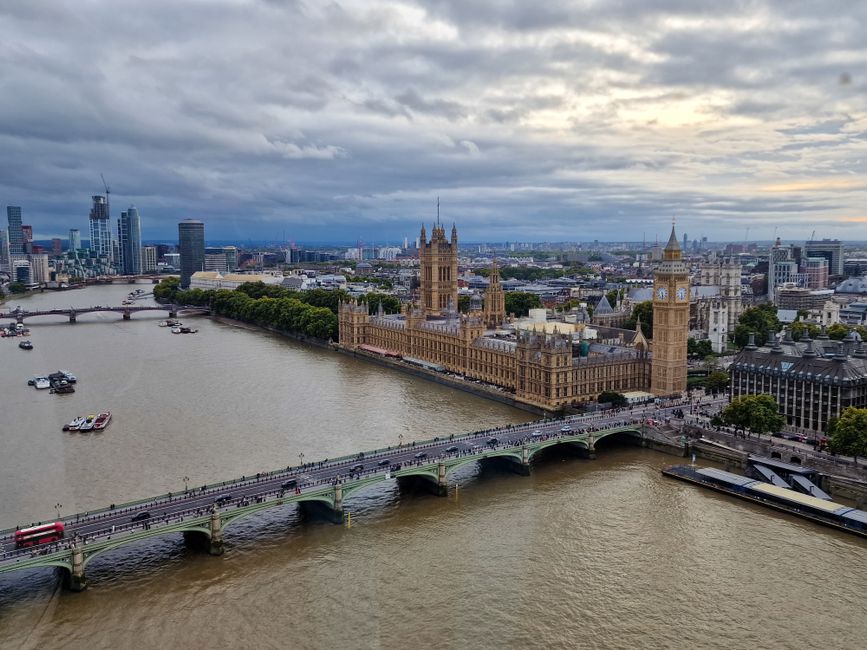
There's no single "UK nightlife hour" — every venue runs on its own premises licence, set by local councils, so closing times genuinely differ from street to street. What's consistent is the shift in habit: the 5pm-7pm slot now outearns the old 7pm-10pm peak, with more people choosing early, experience-led evenings over a late one.
What's the vibe now — low-key or late?
Low-key is winning. Consumer preferences have moved away from alcohol-centric nights out toward live music, interactive entertainment, and low/no-alcohol options. Younger adults increasingly favour "light clubbing" and early evening cultural events over high-intensity late-night sessions. This isn't just taste — late-night venue numbers actually fell 2.2% in the three months to September 2025, after a 1.7% drop the quarter before, so the traditional late-night scene is genuinely shrinking in favour of earlier trading.
Where does live music fit legally?
At alcohol-licensed venues, live or recorded music between 8am and 11pm for audiences under 500 doesn't need a separate entertainment licence — which is partly why pubs and bars hosting music in the early-to-mid evening are so common. Bigger amplified shows (over 500 people) or recorded music at venues without an alcohol licence do require one. Late-night food or drink sold to the public between 11pm and 5am also needs its own premises licence, so a 2am kebab shop or diner is operating under specific permission, not by default.
What determines closing time in practice?
Each venue's premises licence — covering alcohol sales, entertainment, and hours — is set by the local council, and many councils publish "framework hours" as reference points for typical opening/closing times by venue type. These aren't blanket rules; every licence application is judged individually. Practical takeaway: don't assume a city-wide closing time. Check the specific venue.
How do I get home safely?
Transport is a real factor in whether people go out late at all: 28% of high-tempo nightlife-goers weigh late-night travel availability, and 24% weigh safety and security when planning a night out. London's Night Tube runs Friday and Saturday nights on selected Underground lines, backed by night buses — the most robust late-night transport in the UK. Elsewhere, expect limited late buses, taxis, private-hire, or walking, so check the last train before you commit to a venue. Better street lighting and reliable, cheaper transport are linked to stronger-performing night-time areas.
Where's nightlife holding up best?
Northern cities — Edinburgh, Liverpool, Leeds, Manchester, Glasgow, Newcastle — have shown more resilience than London, helped by compact city centres, strong student and visitor numbers, and joined-up local strategies on culture and safety.
FAQ
Is there a standard UK closing time? No — it's set venue by venue through local council premises licences, with council "framework hours" as guidance only.
Is going out earlier now normal? Yes — 5pm-7pm is now the top-earning slot for night-time venues, ahead of 7pm-10pm, reflecting a broader shift to earlier, lower-key evenings.
Which UK cities have the most reliable late-night transport? London's Night Tube and night buses stand out; most other cities rely on limited late buses, taxis, or private-hire, so check last services in advance.
Sources
- Alcohol licensing - GOV.UK
- https://www.countrytolive.com/knowledge/united-kingdom/nightlife-united-kingdom
- https://nielseniq.com/global/en/wp-content/uploads/sites/4/2025/11/CGA_NTIA-NTEMM-November-25-Report.pdf
- https://www.gov.uk/government/publications/national-licensing-policy-framework-for-the-hospitality-and-leisure-sectors/national-licensing-policy-framework-for-the-hospitality-and-leisure-sectors-web-version
Related Topics
Stay Connected Anywhere
Get instant eSIM data plans for 160+ countries. No physical SIM required.