Entry, healthcare & driving: What travelers really need to know in the U.S.
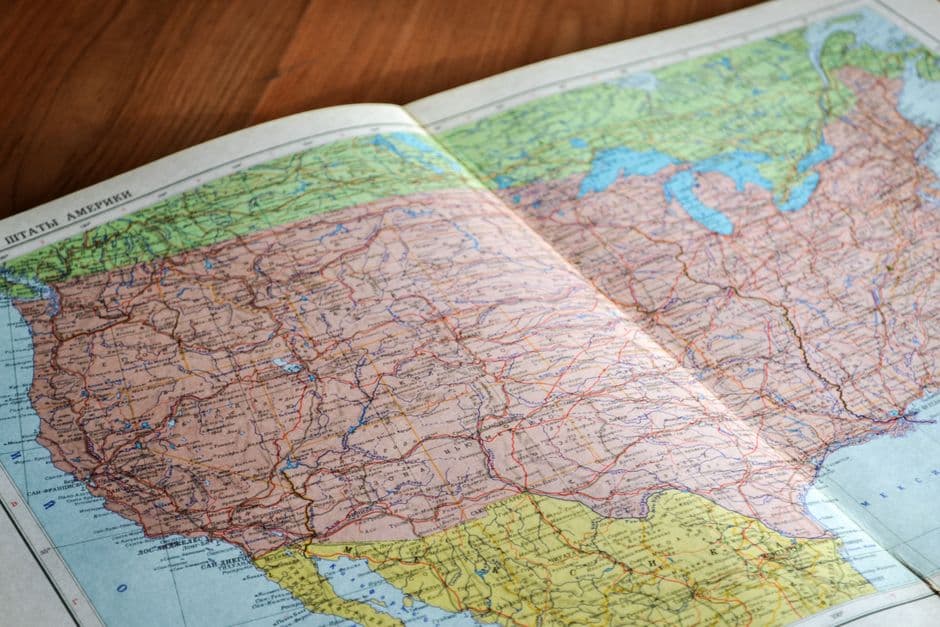
The United States is a genuinely safe destination for most travelers, but "safe" comes with practical caveats worth knowing before you land: entry rules are strictly enforced, healthcare is excellent but costly without insurance, and laws vary a lot by state. Handle the paperwork properly, insure yourself, and stay alert in public and on the road, and you'll be fine.
What do I need to enter the country?
Citizens of Visa Waiver Program countries can visit for tourism or business for 90 days or less without a visa, but must get ESTA approval before boarding your flight or ship. You'll need a valid e-passport (with an embedded electronic chip) valid for at least 6 months beyond your planned departure, unless your country has a specific exemption. Note that an approved ESTA does not guarantee entry — CBP officers at the port of entry decide admission, and expect scrutiny, including of electronic devices. Comply fully with border officials; denial of entry can mean detention while you await deportation. Carry government-issued photo ID and photocopies of your passport's ID page in case originals are lost or stolen.
Is U.S. healthcare a concern for visitors?
U.S. healthcare is excellent and widely available, but expensive. Hospitals must treat emergencies regardless of ability to pay, but if you're a foreign visitor without travel health insurance, you'll be billed out of pocket for care. Get travel insurance that covers medical evacuation and hospital stays before you go. It's also worth consulting a healthcare provider or travel health clinic around 6 weeks before your trip for personalized advice, and packing a basic health kit, especially if heading outside major cities where care may be less immediately accessible. Separately, outbreaks of cyclosporiasis (a food/water-borne parasitic illness) are currently under investigation in several states — careful food and water handling reduces your risk.
How worried should I be about crime or violence?
Firearm possession is common in the U.S., and openly carrying guns in public is legal in many states. Mass shootings do occur, though tourists are rarely involved. There's also an ongoing general threat of terrorism, with attacks possible at any time. None of this should be alarming day-to-day — just stay aware of your surroundings in public places, as you would in any country.
What should I know about driving?
Carry proof of auto insurance, since many states require it. Be cautious of scams where criminals signal a fake vehicle issue to get you to pull over on highways. If you're in an accident, ask other drivers to follow you to a public place before calling the police. Never accept a ride or cross a border with someone carrying illegal items — as the driver, you can be held responsible for a passenger's belongings even without knowledge of them. Since laws differ significantly by state, check your destination state's official website before arrival.
FAQ
Do I need travel insurance for the U.S.? It's strongly recommended, specifically insurance covering medical evacuation and hospital stays, given high treatment costs for the uninsured.
Can ESTA approval be denied at the airport even if I'm approved online? Yes — an approved ESTA doesn't guarantee entry; CBP officers retain full authority to admit or deny you at the port of entry.
Are gun laws the same everywhere? No — laws vary by state, so check the specific state you're visiting for local regulations before you arrive.
Sources
Related Topics
Stay Connected Anywhere
Prepaid eSIM data plans for 180+ countries and territories. No physical SIM required.