What to actually order in Portugal (and where locals eat it)
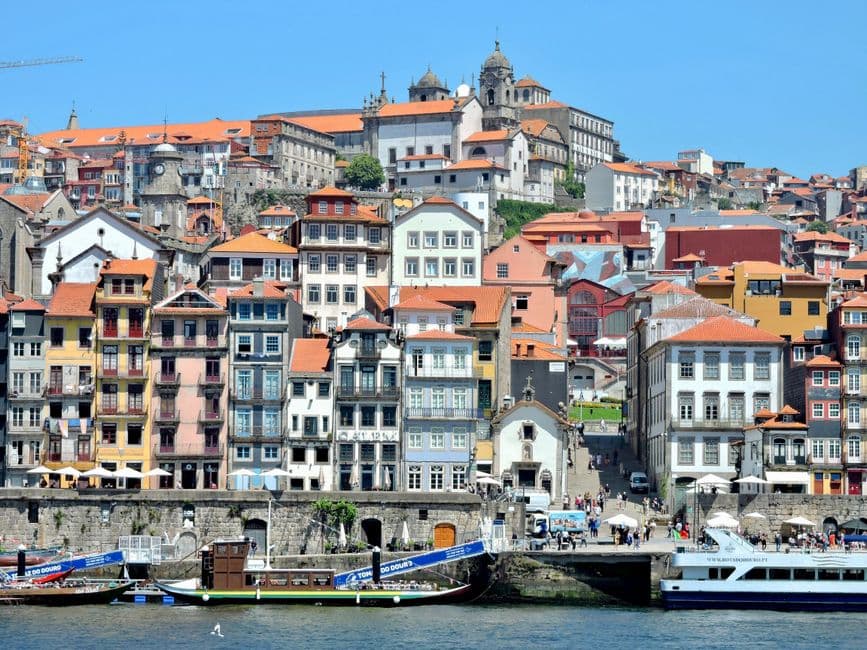
Portugal's food culture runs on a few obsessions: salt cod, custard tarts, and wine that varies wildly by region. You don't need a food tour to eat well here—just know which dish belongs where, and you'll eat like a local for the price of a tasca lunch.
What should I actually order, and where?
Start with bacalhau, Portugal's national ingredient—there are reportedly over 365 recipes, one for each day of the year, though that number is folklore rather than a verified count. Look for bacalhau à Brás (shredded with egg and thin potato straws), bacalhau com natas (baked with cream), or bacalhau à Gomes de Sá (with boiled egg and olive oil) at any tasca. Most Portuguese cod is imported from Norway today, despite the historic Newfoundland fishing tradition.
In Porto, the dish to order is francesinha: cured meats and melted cheese under a tomato-and-beer sauce, topped with a fried egg and served with fries. Locals defend it fiercely as core to the city's identity. Pair a visit to Bolhão Market, a restored covered market with queijo da Serra (mountain cheese) and generations-old sausage vendors, to see the raw ingredients behind Porto's food scene.
In the Algarve, particularly Portimão and Lagos, seek out cataplana—clams, shrimp, sausage, tomato, and white wine steamed in a sealed copper pan, a method fishing families have used for generations.
For something lighter, caldo verde (kale or potato soup with chouriço) is a northern Portugal winter staple, though it's served year-round in tascas nationwide.
Where do pastéis de nata actually come from?
The custard tart originated at Mosteiro dos Jerónimos in Belém; the recipe moved to what's now Pastéis de Belém in 1837 (Rua de Belém 84–92), where it remains confidential. The shop still operates today and typically has morning queues—worth the 5–15 minute wait on a weekday. No verified difference exists between this recipe and other producers' versions, but the history alone makes it worth the stop.
What should I drink?
Port wine comes from the Douro Valley, a UNESCO-listed terraced landscape, but the best place to taste it is Vila Nova de Gaia, across the river from Porto, home to historic wine cellars. Vinho Verde, a light, slightly sparkling white from the northwest, appears at almost every Lisbon seafood restaurant and is best drunk young. For something unusual, try a Porto Tónico—white port over ice with tonic and lemon or mint—at a riverside Porto café. Ginjinha, a sour cherry liqueur sold from street kiosks, is traditionally served in an edible chocolate cup in Óbidos.
Where do I go for a first-timer's overview?
Time Out Market (Mercado da Ribeira) in Lisbon gathers Portuguese cuisine under one roof, from piri-piri chicken to Sado estuary oysters—a good orientation stop. For a slower approach, try petiscos (Portugal's tapas) in Lisbon's Alfama, ordered as a shared spread.
FAQ
How much should a meal cost? A tasca meal with a drink runs roughly €9–14; sit-down restaurants range €18–35 per person. A bica (espresso) costs €0.80–1.50; a beer €1.50–3.00.
Is francesinha available outside Porto? The facts here identify it specifically as Porto's signature dish, tied to local identity there.
Do I need to book Pastéis de Belém in advance? No booking mentioned—just expect queues most mornings and budget 5–15 minutes.
Sources
- A fish that sparked a national obsession
- Pastel de nata
- Pastel de Nata: History & Best Spots in Lisbon | Yellow Cab
- Bacalhau in Portugal: Salt Cod and the Best Dishes
- Bacalhau: Portugal's Salt Cod and 8 Ways to Eat It | Visitus
- Bacalhau: Understanding the Portuguese Obsession with Cod - Portugal.com
- https://www.takeachef.com/blog/en/food-trip-portugal
- Pasteis de Nata: Where to Find the Best in Portugal | Visitus
- Pastéis de Belém: Opening Hours, Price & Queue Tips (2026)
- Pastéis de Belém queue: how to beat it and whether it's worth it
Related Topics
Stay Connected Anywhere
Prepaid eSIM data plans for 180+ countries and territories. No physical SIM required.