How to dress for Albania's mosques, mountains, and tick season
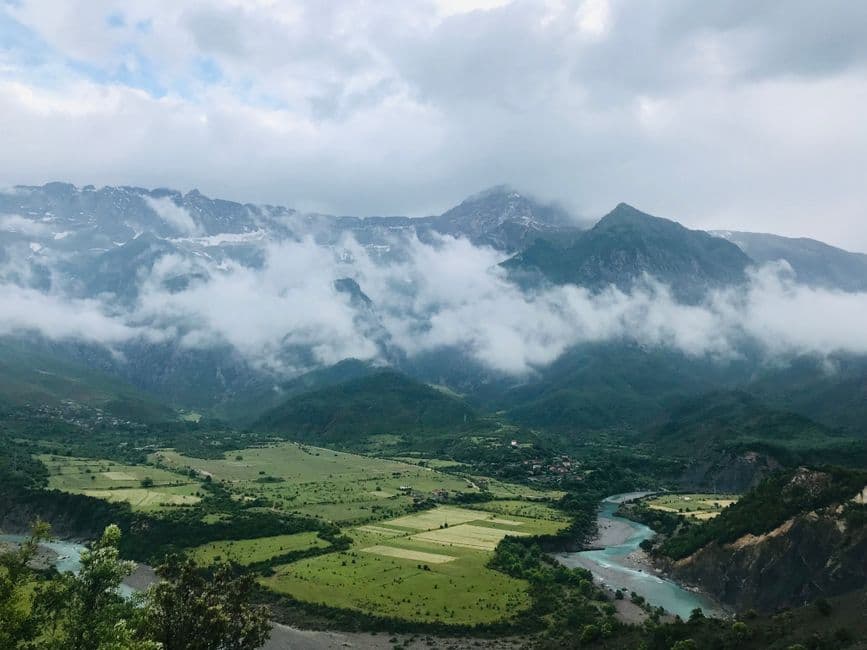
Albania is secular and relaxed about everyday clothing, so you can mostly dress for comfort and weather — the main exceptions are mosques and Orthodox churches, where modest coverage is expected, and a few practical items worth packing for ticks, terrain, and sun.
Do you need to dress modestly in Albania?
No, not day-to-day. Albania is majority Muslim but very secular and not conservative, with no nationwide dress restrictions outside religious buildings. Inside them, though, norms are stricter. At mosques, both men and women need shoulders and knees covered, women should cover their hair, and shoes come off at the entrance — some mosques lend headscarves, but not all, so carrying your own scarf is safer. In Orthodox churches, shoulders and knees should also be covered, shoes stay on, and women traditionally wear a headscarf; monasteries and some churches expect the same coverage as mosques but usually don't lend anything at the door. These are common-practice norms rather than official published rules from the Et'hem Bey Mosque or the Orthodox Church, so err on the side of covering up.
What should you pack for the weather?
Summer (June–August) calls for light, breathable clothing plus sandals and comfortable walking shoes. Lowland July highs run 31–33°C, so sun protection — a sun hat, sunglasses, and high-factor sun cream — is recommended May through September. If you're heading into the Alps (Theth or similar), pack a warm layer regardless of season: nighttime temperatures can drop to 13.1°C even in July, and mountain passes can fall below freezing in May and September.
What about footwear and ticks?
Tick-borne encephalitis is a risk across all of Albania, with ticks most active from early spring to late autumn, so long trousers are recommended in every season as a precaution, alongside general care to avoid bites day and night. Footwear matters too: Berat and Gjirokastër sit on steep slopes with worn stone paving that turns slippery in rain, so trainers or walking shoes with good grip are advised year-round. At the coast south of Vlorë, most beaches are pebble, shingle, or rock with stony entries and sea urchins on submerged rocks at rocky coves — water shoes are a practical addition to your summer packing list.
Any other practical packing notes?
Tap water isn't recommended for drinking, so a refill bottle with a filter is worth bringing. Albania uses Type C and Type F sockets at 230 volts, so UK travelers need a plug adapter.
FAQ
Do I need a headscarf for mosques and churches? Mosques require women to cover their hair, and some provide headscarves at the door, but not all — bring your own to be safe. Orthodox churches also traditionally expect a headscarf for women.
Is it ever too hot or too cold to plan around? Lowland summer highs reach 31–33°C, while Alpine areas like Theth can drop to 13.1°C at night in July and below freezing at mountain passes in May and September — pack layers if you're combining coast and mountains.
Are sandals fine everywhere? For city streets and beaches, sandals work in summer, but swap to grippy trainers in Berat and Gjirokastër and use water shoes at pebbly, urchin-prone beaches south of Vlorë.
Sources
Related Topics
Stay Connected Anywhere
Prepaid eSIM data plans for 180+ countries and territories. No physical SIM required.