Autumn skies and spring crowds: when to trek Nepal
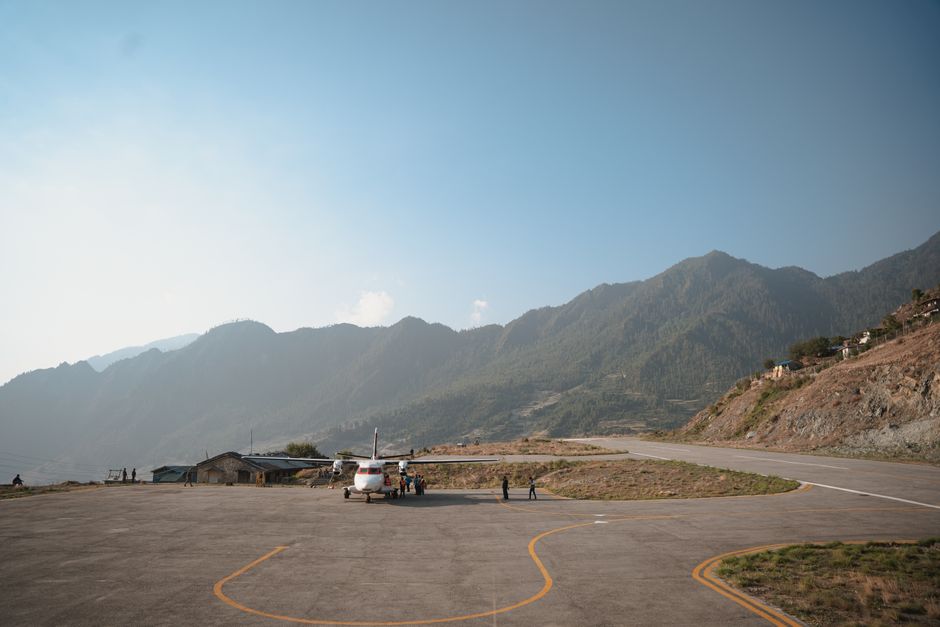
Autumn (mid-September to November) is the best time to visit Nepal — clear skies, mild days, chilly nights, and the best Himalayan visibility of the year. Spring (March to May) is a close second, while winter and monsoon each suit specific travelers and trips.
What's the best season overall?
Autumn, from mid-September to the end of November, is considered the best overall season for trekking in Nepal thanks to clear weather, mild-to-warm days, and cool nights — ideal conditions for Himalayan views. Both autumn and spring (March to May) are the dry seasons and are officially the best times to visit, offering clear skies and mild temperatures for trekking.
What's spring like compared to autumn?
Spring is Nepal's second most popular trekking season. Weather is generally predictable and temperatures rise through the season, though skies can occasionally cloud over and trails get busier. It's still a strong choice for good conditions and Himalayan scenery, just with slightly more variability than autumn.
What about monsoon and winter?
Monsoon season (June to August) brings heavy rain, muddy trails, and poor visibility — July is the peak rainfall month and the least visited time to travel. That said, rain-shadow regions like Manang, Mustang, and Dolpo remain trekkable, with wildflowers in bloom and far fewer tourists. Trekking conditions improve again in August and September as the monsoon clears.
Winter (December to February) is extremely cold at higher altitudes, but it offers clear skies, making it well suited to lower-elevation treks, southern Nepal trekking, jungle safaris in Chitwan, and general sightseeing rather than high-mountain routes.
How crowded does it get, and when are festivals?
Spring and autumn, the peak trekking seasons, see more congested trails, while monsoon months bring noticeably fewer tourists. Major festivals cluster in these popular seasons too: Dashain and Tihar (Deepawali, the Festival of Lights) fall in autumn, while Holi in March and Nepalese New Year in April take place during spring — worth factoring in if you want to experience them, or avoid the extra crowds they can bring.
What should you pack, and any entry basics?
For trekking, good walking or trekking shoes and layered clothing for changing temperatures are essential, especially at high altitude or in remote areas. Nepal is generally safe for travelers, including solo and female travelers, though petty theft can occur — keep valuables close and don't leave bags unattended.
For entry, Visa on Arrival is available at Tribhuvan International Airport and land borders: USD $30 for 15 days, $50 for 30 days, or $125 for 90 days, all multiple-entry. You'll need a passport valid for at least six months and a recent passport photo.
FAQ
Is autumn or spring better for trekking? Autumn is generally considered the best overall, with clearer, more stable weather; spring is a strong second choice but can be cloudier and busier.
Can you trek during monsoon? Yes, particularly in rain-shadow areas like Manang, Mustang, and Dolpo, which stay drier and see fewer tourists, though most of Nepal gets heavy rain and poor visibility, especially in July.
Is winter trekking possible? Yes, but it's best suited to lower elevations and southern Nepal, plus activities like Chitwan jungle safaris, since higher altitudes get extremely cold.
Sources
- Best Time to Trek in Nepal: Complete Seasonal Guide for 2026 | Trek and Tour Nepal
- Best Time to Trek in Nepal: Seasons Compared | Amarnepal Guides | Amarnepal
- Nepal in Autumn 2026: Best Time to Visit | BriefNepal
- Spring vs Autumn Trekking Nepal: Which Is Better? | Trek and Tour Nepal
- Nepal Trekking Holidays 2026: Best Routes & Prices | The Everest Holiday
- Best Time to Visit Nepal 2026 | Seasons & Festivals
- Complete Guide to Trekking in Nepal (2026) | Routes, Costs & Tips
- Trekking in Nepal: The Complete 2025–2026 Guide (Routes, Costs, Permits & Expert Tips)
Related Topics
Stay Connected Anywhere
Get instant eSIM data plans for 160+ countries. No physical SIM required.