Budget Croatia: Free views, art, and swimming in the Adriatic
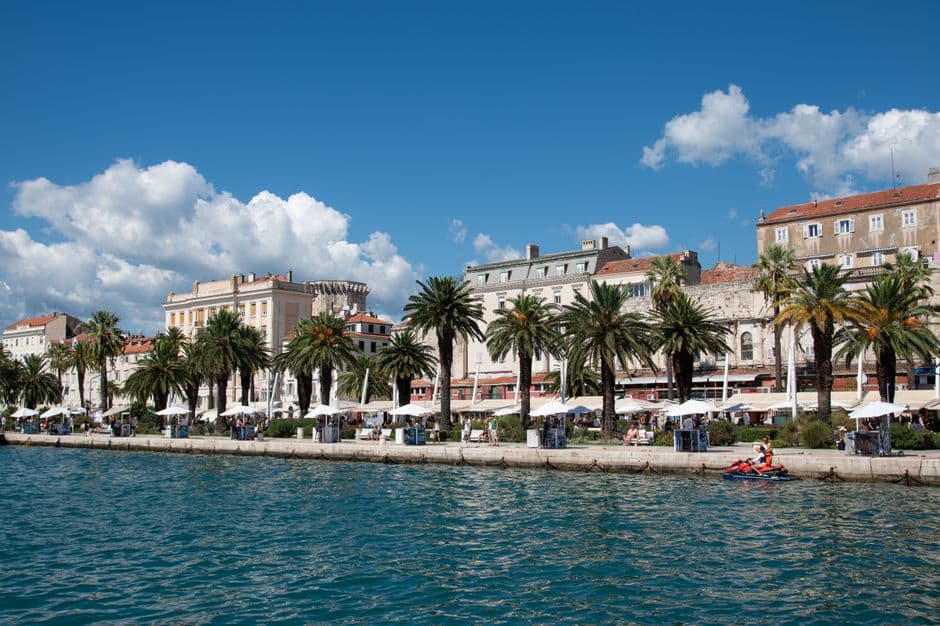
Croatia rewards the budget-conscious traveller generously: free hilltop views, sunset art installations, whole national park perimeters, and even the Adriatic itself cost nothing to enjoy. With a bit of planning around dates and trails, you can fill days with genuinely memorable experiences without spending a cent.
Where can I get free views over Croatian cities?
Marjan Hill in Split is the classic choice — pine-scented trails leading to viewpoints over the city, best at sunset. In Dubrovnik, climb Srđ for panoramic views (note: this is the hill itself, not the city walls, which require a ticket). On the island of Šolta, Vela Straža offers similar free panoramic rewards. These viewpoints are well-established, though it's worth checking current trail conditions since infrastructure can change over time.
What free art and installations are worth seeing?
Zadar has two standout free attractions: the Sea Organ, which turns wave motion into music, and the Greeting to the Sun, a light installation that comes alive at sunset. In Rovinj, Grisia Street is known for its art walks. And in Dubrovnik, you can circle the old town at street level for free — it's only the city walls themselves that require payment.
Are there free days at museums?
Yes. The Zagreb Museum of Broken Relationships offers free admission on the first Wednesday of every month. More broadly, many Croatian museums reduce prices or open free on Statehood Day (June 25) and Independence Day (October 8). These dates and offers can shift, so confirm with the specific museum before planning a visit around them.
Can you experience Croatia's national parks for free?
At Plitvice Lakes National Park, the marked trails looping the perimeter of the park are free to walk — only the famous waterfall areas require tickets. Krka National Park offers free entrance on Easter Monday for pilgrims (until mass starts), and parking is free at all entrances except in the town of Skradin. Krka also has designated free swimming areas — Roški slap, Stinice, and Pisak — open June 1 to September 30, swim at your own risk depending on conditions.
What other free outdoor experiences shouldn't I miss?
Croatia has over 160 marked bike trails, around 80 walking trails, and 20 climbing routes across the Istrian peninsula and beyond, all free and accessible year-round. Swimming in the Adriatic itself costs nothing, and the sea is regarded as among the clearest in the world. For something different, head to the island of Lastovo for stargazing — it's particularly worth timing your visit for the night of August 12, when the Tears of Saint Lawrence meteor shower peaks.
FAQ
Is swimming in the Adriatic actually free everywhere? Yes, swimming in the sea is free, though conditions vary by weather and location, and designated park swimming areas like those at Krka run seasonally (June–September) at your own risk.
Do I need to pay to enter Plitvice or Krka? The waterfall areas at Plitvice require tickets, but the perimeter trails are free. Krka has specific free-entry dates and free parking (except in Skradin).
Are free museum days guaranteed every year? Free-entry dates tied to holidays or monthly schedules can change, so check official museum sites before your trip.
Sources
Related Topics
Stay Connected Anywhere
Prepaid eSIM data plans for 180+ countries and territories. No physical SIM required.