When to Visit Kenya: Balancing Wildlife, Weather & Crowds
The best time to visit Kenya is the dry season from late June to October, when temperatures sit at a comfortable 18–25°C, rainfall is minimal, and July–September brings the Great Migration of wildebeest and zebra into view — ideal for safaris, though parks get busy.
When is the dry season, and is it the best for safaris?
Late June to October is Kenya's dry season and the top pick for wildlife viewing and weather, with mild temperatures (18–25°C) and little rain. July to September overlaps with the Great Migration, making it an extremely popular and rewarding window for safari tours. January–February is also a solid choice for visiting all the parks.
How crowded does it get, and when?
High season covers July–November and January–February, and popular parks like Masai Mara, Amboseli, and Lake Nakuru get very crowded during these months. If you want fewer tourists, the low season (March–May) is quieter, though some lodges and camps in high-rainfall areas close during this period.
What about the rainy seasons?
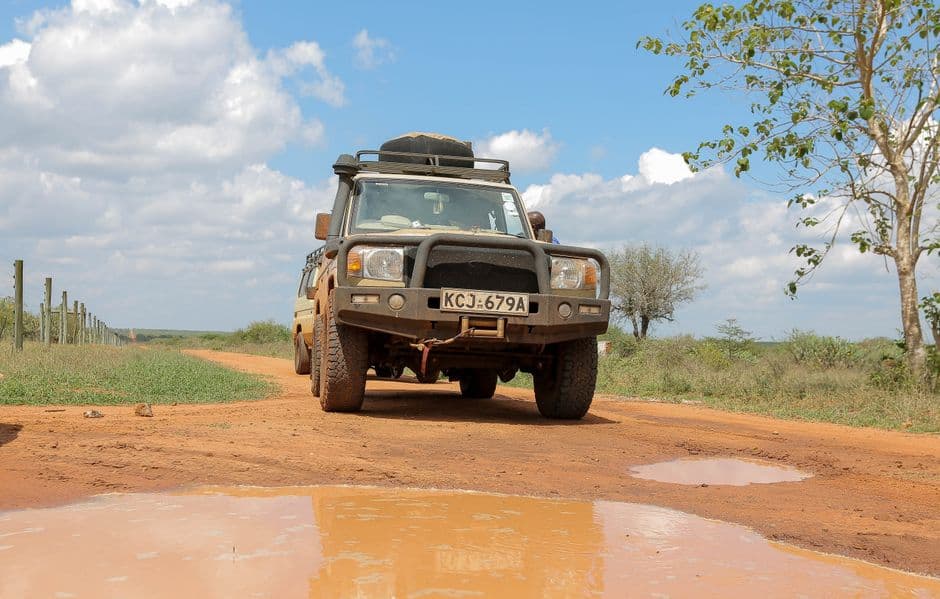
Kenya has two rainy seasons: roughly October–November and March to mid-June (dates can shift year to year with changing weather patterns). March, April, and May are the peak wet season with the worst weather, and the long rains can be heavy in April and May. Rainy periods can bring seasonal flooding, including flash floods and mudslides, which may make roads impassable and hamper overland travel. On the upside, the wet season means lower tourist numbers and lush landscapes, and December is a great time to spot newborn animals and migratory birds.
What should I pack?
For morning safaris in peak season (June–October), bring light sweaters and windproof jackets, as early hours can be chilly. General essentials: lightweight clothing for warm days, a light jacket for cool mornings/evenings, comfortable walking shoes, sunscreen, insect repellent, a universal adapter, and any prescription medication. For safari-specific trips, add neutral-colored safari clothing and a small raincoat in case of rain.
FAQ
Which months balance good weather and fewer crowds? January–February offers good conditions for visiting parks, though it's still classified as high season alongside July–November.
What's the best month to see newborn animals and birdlife? December offers a fantastic time to see newborn animals and migratory birds, making it a rewarding shoulder-season pick even outside the main dry-season rush.
When should I avoid if I want to skip the rains? March, April, and May bring the peak wet season with the worst weather and heavy long rains, so travelers hoping for drier conditions and easier overland travel should aim for the dry months instead, keeping in mind that seasonal flooding can affect roads during the rainy periods.
Sources
Related Topics
Stay Connected Anywhere
Prepaid eSIM data plans for 180+ countries and territories. No physical SIM required.