Traveling with kids in Croatia: what actually works (and what doesn't)
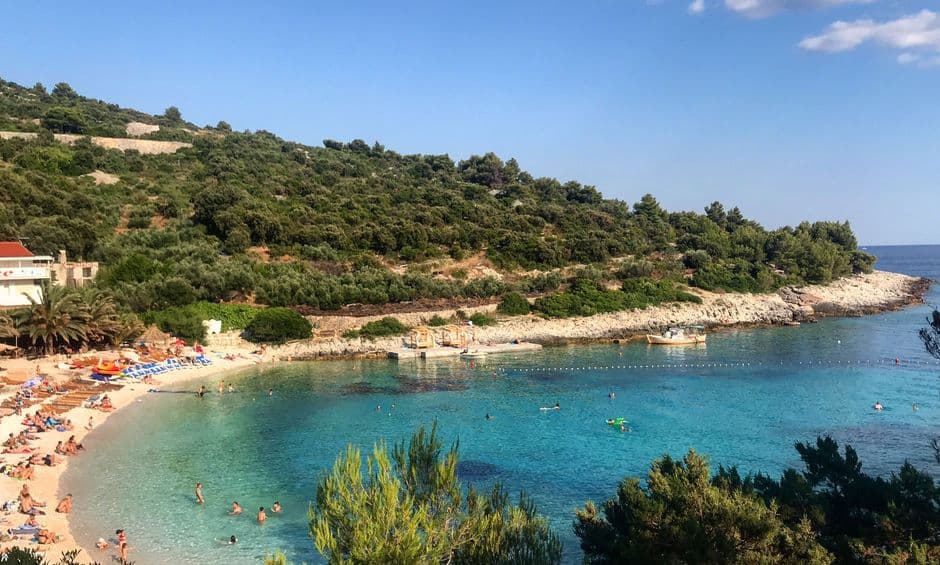
Croatia works well with kids once you plan around a few quirks: swap strollers for a baby carrier in old towns, pick May, June, September, or October for comfortable weather, and expect fewer high chairs and changing tables than you might be used to. Beyond that, the coast and islands are genuinely easy-going for families.
When should we go?
May, June, September, and October are the sweet spot—warm enough to swim, without peak summer heat and crowds. Most US and European families don't need a visa; just make sure passports have at least six months validity left (worth double-checking on official sources before you book).
Stroller or carrier—what actually works?
Leave the stroller at the hotel for old towns like Zadar, Split, and Dubrovnik, where cobblestones make wheels impractical—and the same cobblestones make wheeled suitcases a hassle, so plan how you'll move luggage. A baby carrier is far more practical for these streets and for national parks. At Plitvice Lakes, the paths are wooden planks and natural trails with tree roots, unsuitable for strollers, and there are no railings along the water—worth factoring in with toddlers who wander.
What about car seats, food, and baby basics?
Driving: children under 135 cm legally need a car seat or booster. Rental companies do stock them, but supply is limited—book 6–9 months ahead, especially for June–September travel. For meals, dedicated kids' menus are rare outside big-city restaurants in Dubrovnik, Split, Zadar, and Zagreb, but Croatian staples like pasta, risotto, stews, and grilled meats are naturally toddler-friendly, and chefs will usually do a plain chicken or half portion on request. High chairs are uncommon in small cafés; all-inclusive resorts are your best bet if that matters. Changing tables and family bathrooms are rare too—changing babies in the stroller in parks or squares is normal and accepted, as is public breastfeeding, which is widely practiced without issue.
What should we skip or prepare for?
Skip bringing a stroller into Plitvice or any old town core—carry instead. If your child has sensitive feet, pack water shoes, since most beaches are pebbled, not sandy. For island stays, check hospital access in advance: major cities have full emergency care, but some islands don't have full-service hospitals, and medical transfers to the mainland can take hours depending on weather. Dial 112 anywhere in Croatia for ambulance, fire, or police.
Getting around with kids
Ferries are a relaxed way to hop along the coast and between islands, and inland train rides are scenic rather than rushed. Public transport often has family discounts—in Zagreb, kids five and under ride free. Most attractions give toddlers free entry and strong discounts for children under nine.
FAQ
Do we need an international driving setup or special gear booked ahead? Book a rental car seat 6–9 months in advance if traveling June–September, since availability is limited.
Are changing facilities available in restaurants and cafés? Rarely—dedicated family bathrooms are uncommon, but changing in strollers in public spaces is normal and accepted.
Will restaurants accommodate a picky toddler without a kids' menu? Yes—plain chicken or half portions are typically available on request, even where no children's menu exists.
Sources
- Planning a family trip to Croatia: tips for a tailor-made adventure
- Travel Croatia With Kids & Babies: What To Expect
- Croatia with kids: what to expect | Rough Guides
- When is the best time to visit Croatia - Lonely Planet
- Croatia Travel Advisory | Travel.State.gov
- Everything you need to know about visiting Croatia with kids - Lonely Planet
- https://www.royalcroatiantours.com/blog/travel-to-croatia-with-a-toddler-or-baby-from-experience
- https://www.nickkembel.com/croatia-with-kids/
Related Topics
Stay Connected Anywhere
Prepaid eSIM data plans for 180+ countries and territories. No physical SIM required.