eSIM Security Explained: What Travelers Should Know
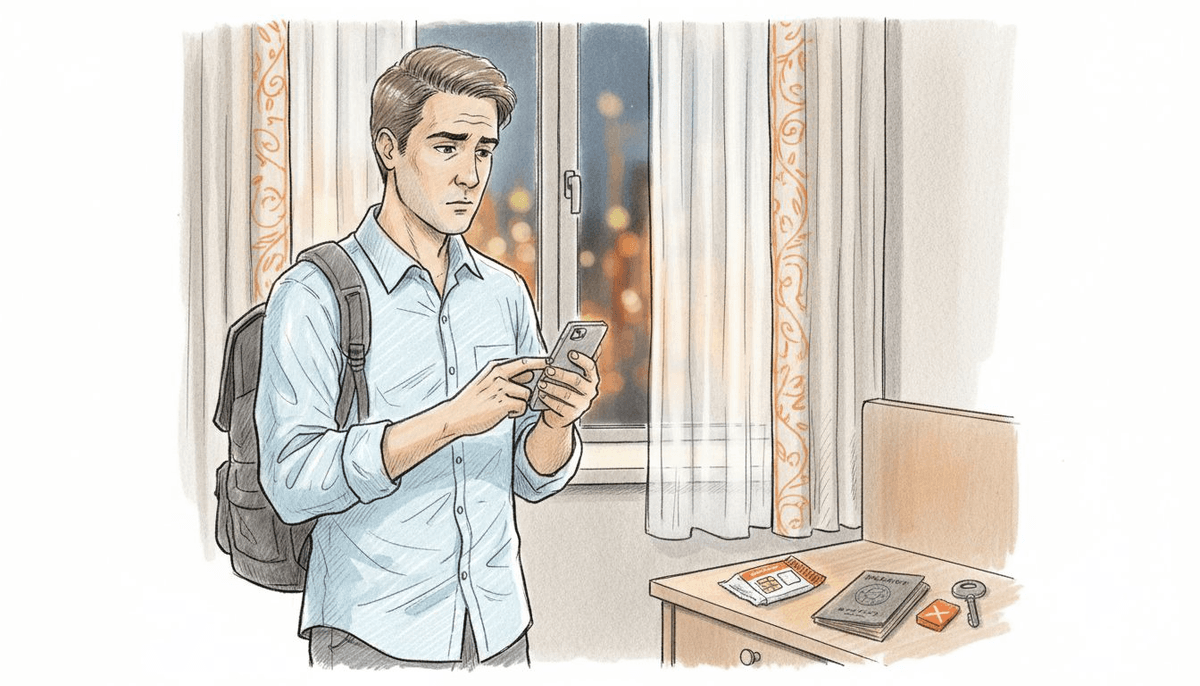
Switching mobile networks on the move should not mean worrying about identity theft or fraud. For frequent travelers and digital nomads, every trip comes with risks, from unreliable networks to the growing problem of SIM swap attacks that can hijack your phone number. With eSIM technology improving security by embedding your subscriber identity directly into your device, you gain peace of mind and protect your data without juggling physical SIM cards or facing unexpected charges. This guide shows how eSIM security keeps your digital life safe wherever you travel.
Table of Contents
- What Is eSIM Security And Why It Matters
- How eSIM Protects Your Digital Identity
- Common Risks: SIM Swapping And Device Theft
- Key Security Benefits Over Physical SIM Cards
- Best Practices For Travelers Using eSIMs
Key Takeaways
| Point | Details |
|---|---|
| eSIM Provides Enhanced Security | eSIM technology eliminates risks associated with physical theft, SIM swapping, and cloning, ensuring your digital identity is securely stored within the device. |
| Remote Management Reduces Vulnerabilities | With eSIMs, profiles can be activated or changed remotely through encrypted channels, minimizing the chance of interception or tampering. |
| Travelers Benefit from Increased Safety | Frequent travelers are better protected against SIM swap attacks due to the embedded nature of eSIMs, which requires device-level control for any changes. |
| Implement Best Practices | To maximize security, enable SIM PINs, keep software updated, and avoid unsecured networks during travel. |
What Is eSIM Security and Why It Matters
eSIM security refers to the protective mechanisms built into embedded SIM technology that safeguard your subscriber identity, personal data, and device connectivity. Unlike traditional physical SIM cards you can hold in your hand, an eSIM is embedded directly into your device, making it a fundamentally different—and more secure—approach to mobile authentication.
When you’re traveling across 160 countries or splitting time between continents, security becomes personal. A compromised SIM means someone else controls your phone number, intercepts your calls, and accesses your accounts. With eSIMs, that threat changes entirely.
How eSIM Security Works
Your eSIM contains encrypted profile data that authenticates you to carriers. This profile includes your subscriber credentials, authentication keys, and network access permissions. Unlike physical SIMs, eSIM profiles are remotely provisioned and managed, meaning no one can physically steal or swap your identity.
The security happens in layers:
- Secure chip architecture - The eSIM chip uses cryptographic protocols to prevent tampering
- Encrypted profile installation - Your carrier profile arrives encrypted and activates only on your device
- Carrier authentication - Each network verifies your identity before granting access
- Device-level protection - Your phone’s secure enclave isolates the eSIM from apps and malware
Think of it like the difference between a house with a physical lock versus one protected by biometric security and encrypted doors. Both secure your home, but one is significantly harder to compromise.
The SIM Swap Problem (And How eSIM Solves It)
Traditional SIM swap attacks are brutally simple: attackers call your carrier, convince them they’re you, and request a physical SIM replacement delivered to an address they control. Within minutes, they’ve hijacked your phone number and access to accounts tied to it.
eSIMs eliminate this vulnerability because there’s nothing physical to swap. You can’t remove an eSIM from your phone, mail it somewhere, or hand it to someone else. This single protection blocks one of the fastest-growing fraud methods affecting travelers.
A compromised eSIM requires direct device access—attackers can’t steal your identity remotely through a phone call.
Digital nomads and frequent international travelers face higher fraud risk because you’re often using unfamiliar networks, checking accounts in coffee shops, and sometimes accessing banking apps on public WiFi. The inability to physically remove your SIM adds a critical security layer you simply can’t get with traditional cards.
Why This Matters More for You
You’re managing multiple email accounts, banking apps, cryptocurrency wallets, and cloud services that all verify through SMS codes sent to your phone number. If someone gains control of your SIM, they can reset passwords on accounts you depend on for work, money, and communication.
eSIM security removes one attack vector entirely. It doesn’t replace password managers, two-factor authentication, or VPNs—but it eliminates the “weakest link” that has compromised countless travelers.
Pro tip: Enable SIM card lock (also called SIM PIN) in your phone settings even with an eSIM. This adds a password requirement before anyone can modify your eSIM profile, adding another layer of protection when your device is lost or stolen.
How eSIM Protects Your Digital Identity
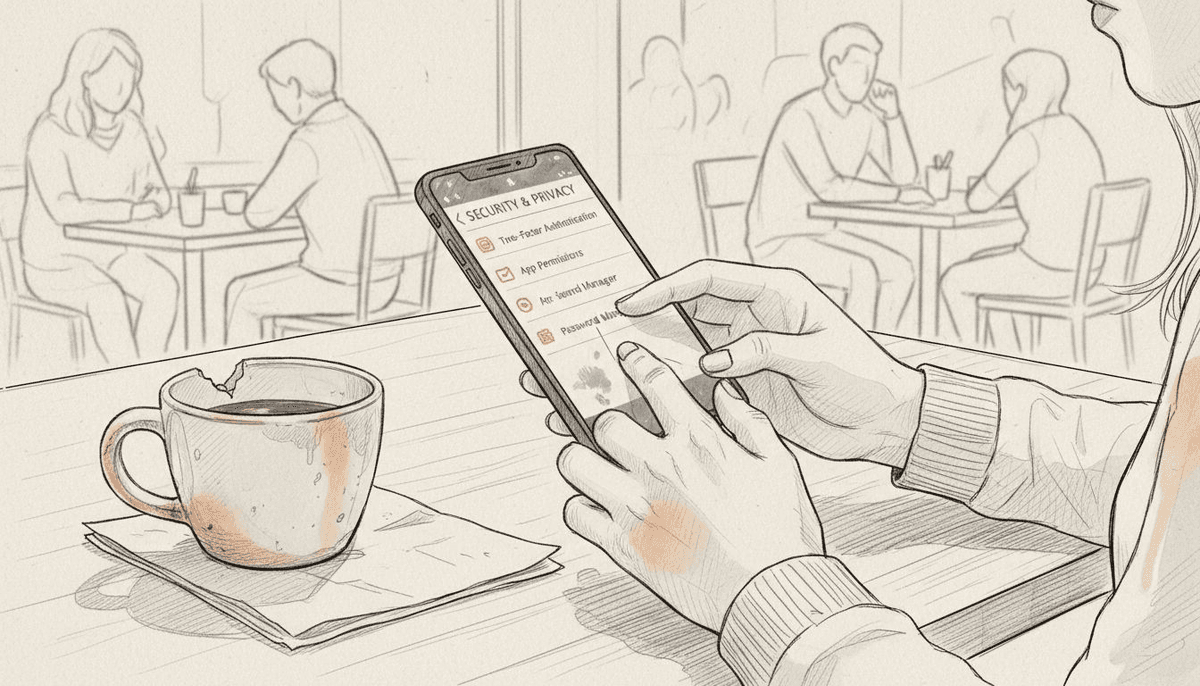
Your digital identity is the sum of everything online that identifies you: email addresses, phone numbers, account credentials, and authentication tokens. When someone compromises your identity, they don’t just steal data—they become you for all practical purposes.
eSIM technology protects this identity by storing your subscriber credentials in cryptographically protected hardware that cannot be removed or physically transferred to another device. This embedded approach fundamentally changes how your identity is authenticated and protected.
The Credential Storage Advantage
Traditional SIM cards store the same authentication credentials you have, but anyone with physical access to your card can clone it, sell it, or use it elsewhere. Your identity becomes portable in the worst possible way.
With an eSIM, your network authentication credentials are securely stored on the embedded chip and bound to that specific device. The carrier issues unique identifiers and keys that prevent unauthorized profile changes. Your identity stays locked to your phone—not your SIM card.
Consider how this matters in real life:
- No physical theft vulnerability - Someone steals your phone, but your credentials remain encrypted and inaccessible
- No cloning risk - The eSIM can’t be duplicated and used elsewhere
- No accidental loss - You can’t misplace a SIM card because there isn’t one
- Carrier verification built-in - Every network access requires cryptographic authentication
Remote Management Without Compromise
eSIMs can be reprogrammed remotely through secure channels, but this actually increases security instead of decreasing it. You can switch carriers or activate new profiles without ever handling a physical card or visiting a store.
More importantly, remote provisioning happens through encrypted connections with authentication tokens. An attacker can’t call your carrier and request a profile change—the process requires cryptographic verification that proves you control the device.
When traveling, you activate a local carrier profile instantly through your phone. Your primary profile remains encrypted and protected, dormant until you activate it again. Your identity doesn’t travel on any physical object.
Your digital identity is locked to your device, not distributed across multiple physical cards or vulnerable to interception during delivery.
Reducing Interception and Tampering
Removable SIM cards introduce multiple points of vulnerability: during manufacturing, shipping, distribution, activation, and replacement. Each handoff creates an opportunity for tampering or interception.
eSIMs eliminate most of these. Your profile downloads directly to your device over encrypted networks. There’s no physical mail, no retail package, no handling by unknown people. The attack surface shrinks dramatically.
For digital nomads managing finances, cryptocurrency, and sensitive work, this matters. Your authentication happens locally on your device through cryptographic protocols—not through a physical object that could be intercepted.
Pro tip: Keep your device PIN or biometric lock enabled even when your eSIM is secure. This provides a second barrier against attackers who gain physical access to your phone, requiring them to unlock the device before they can even attempt to modify your eSIM profile.
Common Risks: SIM Swapping and Device Theft
Two threats dominate mobile security for travelers: someone hijacking your phone number through social engineering, or someone physically stealing your device. With physical SIM cards, both attacks succeed easily. With eSIM, the risk profile changes dramatically.
Understanding these threats isn’t about paranoia. It’s about recognizing that your phone number is the master key to your entire digital life. Whoever controls it controls your accounts.
SIM Swapping: The Social Engineering Attack
SIM swap attacks involve fraudsters contacting mobile operators to port your phone number onto a new SIM card they control. The attacker calls your carrier, claims to be you, and convinces them you need a replacement SIM. Within minutes, your number rings on their device instead of yours.
From there, the attacker intercepts everything: calls, texts, and most critically, two-factor authentication codes sent via SMS. Your email password reset? They approve it. Your bank account? They verify ownership. Your cryptocurrency wallet? They transfer everything out.
The success rate is terrifying because carriers authenticate primarily through information available in public records:
- Your full name and phone number
- Your address (often public on property records)
- Your mother’s maiden name (searchable on genealogy sites)
- The last four digits of your Social Security number (visible on your credit report)
How Device Theft Amplifies Risk
When someone steals your phone, they have direct access to your device and everything stored on it. Combined with SIM swapping vulnerabilities, device theft becomes a complete identity compromise vector.
A thief with your physical device can:
- Access stored passwords and authentication apps if the phone is unlocked
- Intercept SMS codes if they also perform a SIM swap
- Bypass fingerprint and face unlock using biometric data stored on the device
- Access financial apps with saved payment methods
- Change passwords on accounts before you realize what’s happening
With a physical SIM, a stolen phone combined with social engineering becomes unstoppable—the thief has both your device and can port your number remotely.
Why eSIM Changes This Equation
eSIM doesn’t prevent device theft, but it prevents the combination attack. A thief can’t simply call your carrier and swap your number to a different device. The eSIM is embedded—your number stays locked to your specific phone until you remotely authorize a switch.
Even if they steal your unlocked phone, the thief can’t activate a new carrier profile without authentication credentials you control. They can access your apps if you had biometric login enabled, but they can’t hijack your phone number from a distance.
For travelers managing remote work, cryptocurrency, and international banking, this separation matters enormously. Your authentication stays device-bound.
Pro tip: When traveling in high-theft areas, keep your phone in an inside pocket or secure bag, and consider enabling airplane mode except when you actively need connectivity. This prevents remote SIM swap attempts from succeeding even if your phone is briefly compromised.
Key Security Benefits Over Physical SIM Cards
The difference between eSIM and physical SIM security isn’t subtle—it’s fundamental. A physical SIM card is a tangible object that can be lost, stolen, intercepted during shipping, or swapped by social engineering. An eSIM is embedded code that never leaves your device.
This single distinction eliminates entire categories of attacks that have plagued mobile users for decades. Understanding these benefits helps you grasp why eSIM matters for your security, especially when traveling internationally.
Here’s a comparison highlighting how eSIM technology enhances security compared to physical SIM cards:
| Aspect | Physical SIM Card | eSIM |
|---|---|---|
| Theft Risk | Susceptible to physical theft | Embedded, cannot be easily stolen |
| Swap/Cloning Vulnerability | Can be swapped or cloned | Requires device access, harder to compromise |
| Provisioning Method | Retail, mail, multiple intermediaries | Encrypted direct download from carrier |
| Profile Management | Manual swaps and multiple cards | Multiple profiles managed securely on device |
| Identity Protection | Identity can be ported remotely | Identity remains device-bound |
No Physical Removal Means No Theft
eSIMs are embedded and cannot be physically removed or exchanged by an attacker. With a physical SIM, a thief steals your card and can use it in another phone. With an eSIM, there’s nothing to steal. Your identity stays locked to your specific device.
Consider what happens when you lose a physical SIM versus an eSIM:
- Physical SIM lost: Thief activates it in another phone, intercepts your calls and texts immediately
- eSIM lost (with phone): Device is locked by your PIN or biometric—eSIM is inaccessible until unlocked
- eSIM lost (phone recovered): Thief cannot activate eSIM without knowing your device credentials
The embedded nature eliminates the “mail interception” problem too. Physical SIM cards get mailed to you, shipped through postal systems where packages disappear. eSIM profiles download directly to your device over encrypted channels. No physical mail. No interception points.
Secure Provisioning Over Encrypted Channels
eSIM profiles use secure provisioning over encrypted channels, minimizing unauthorized access. When you activate a new eSIM profile, the carrier authenticates your device using cryptographic verification. An attacker can’t intercept or modify the provisioning process.
With physical SIMs, the provisioning happens through a retail supply chain. Blank cards get manufactured, shipped to distributors, shipped to retailers, then shipped to customers. At any point, someone could tamper with the card or replace it with a compromised version.
With eSIM, the entire activation process happens between your phone and your carrier’s servers over encrypted connections. You scan a QR code, your phone authenticates, and the profile installs locally. No middle person involved.
Your eSIM profile arrives encrypted directly to your device—no shipping, no handling, no interception points.
Multiple Secure Profiles Without Compromise
Here’s a feature unique to eSIM security: you can store multiple profiles securely on one device without physical limitations. This matters enormously for travelers switching between countries.
With physical SIMs, you either carry multiple cards (increasing loss and theft risk) or swap them constantly (exposing yourself during the vulnerable activation window). With eSIM, you keep your primary profile dormant while activating a local carrier profile. When you leave the country, you switch back with one tap.
Each profile remains isolated and encrypted. Switching profiles doesn’t expose your credentials or make you vulnerable to SIM swapping.
Comparison of risk across scenarios:
- Multiple physical SIMs: Lost card risk × number of cards you carry
- One eSIM, multiple profiles: Zero lost card risk, instant switching
- eSIM + device theft: Thief can’t access inactive profiles without device unlock
Pro tip: When traveling, keep your primary profile from home disabled while using a local eSIM profile for the country you’re in. This prevents SIM swap attackers from accessing your number even if they somehow compromise your carrier account—your primary profile won’t activate without your device.
Best Practices for Travelers Using eSIMs
Having a secure eSIM is step one. Using it securely while traveling is step two—and equally important. Your eSIM protects you from SIM swapping and device theft, but only if you follow practices that keep your device and credentials safe.
The following table summarizes best practices for maximizing eSIM security while traveling:
| Best Practice | Main Benefit | Implementation Tip |
|---|---|---|
| Enable SIM PIN | Prevents profile modifications | Set in phone settings before travel |
| Update Device Software | Protects against vulnerabilities | Use auto-update feature on WiFi |
| Use Strong Device Lock | Stops unauthorized access | Combine PIN and biometrics |
| Prefer Cellular Data | Reduces network interception risk | Limit public WiFi usage for sensitive tasks |
| Monitor Account Alerts | Detects unusual activities early | Set up notifications for banking and email |
Think of eSIM security like airport security: the system works, but only if you don’t hand your passport to a stranger or leave your luggage unattended.
Keep Your Device and Software Updated
Keeping device software up-to-date is essential for cybersecurity. Your phone’s operating system receives security patches constantly. When you skip updates, you leave known vulnerabilities unpatched that attackers can exploit.
These updates protect your eSIM by securing the entire device ecosystem around it. An attacker who compromises your phone’s operating system can access authentication apps, intercept calls, or modify network settings—even if your eSIM itself is unhackable.
Set your phone to update automatically overnight when you’re on WiFi. Don’t delay or ignore update notifications.
Use Strong Authentication Everywhere
Enable multi-factor authentication on all accounts linked to your phone number. Two-factor authentication through an authenticator app (not SMS) adds a barrier that prevents account takeover even if someone intercepts your SMS codes.
For your device itself, use a strong PIN or biometric lock. This prevents someone who physically steals your phone from accessing your eSIM profile settings or authentication apps.
Practical authentication checklist:
- Email account: authenticator app for 2FA, not SMS codes
- Banking apps: biometric lock enabled
- Cryptocurrency wallets: authenticator app required
- Device lock: strong PIN or biometric (not pattern or simple code)
- SIM PIN: enabled in phone settings
Avoid Unsecured Networks While Traveling
Public WiFi at airports, cafes, and hotels presents a real vulnerability. An attacker on the same network can intercept unencrypted data, perform man-in-the-middle attacks, and potentially access sensitive information.
Your eSIM doesn’t protect you from network-level interception—it protects your mobile identity. Use your eSIM’s cellular data for sensitive activities: banking, email access, cryptocurrency transactions. Reserve public WiFi for general browsing only.
If you must use public WiFi for sensitive work, use a VPN that encrypts your entire connection. This protects against network eavesdropping regardless of your connection type.
Your eSIM secures your mobile identity, but it doesn’t secure the network you connect to—manage both separately.
Monitor Your Accounts for Suspicious Activity
Set up account alerts with your bank, email provider, and any service tied to your phone number. Unusual login attempts, profile changes, or authentication requests should trigger notifications.
When traveling, check these alerts regularly. If you see suspicious activity, act immediately: change passwords, contact your carrier, and review recent login activity.
For international travel specifically:
- Notify your bank and credit card companies you’re traveling
- Check account activity at least daily
- Enable location-based fraud alerts if available
- Review which apps have access to your eSIM credentials
Pro tip: Before traveling, take a screenshot of your carrier’s customer service number and save it offline. If your eSIM is compromised while traveling and you lose phone access, you’ll need to call customer support immediately—and you can’t look up the number without phone service.
Secure Your Global Connectivity with Lumo’s eSIM Solutions
Travelers and digital nomads understand the critical importance of strong eSIM security to protect their digital identities and prevent SIM swap attacks. If you want to avoid the risks of physical SIM theft, complicated swapping processes, and unsecured roaming connections, Lumo offers an innovative all-in-one eSIM platform designed precisely to meet these challenges. With Lumo, you can instantly activate multiple profiles across over 160 countries, ensuring your connection remains secure and your identity locked to your device wherever you go.
Experience peace of mind with Lumo’s encrypted remote provisioning, rapid QR code activation, and 24/7 dedicated support. Switch carriers easily without the worry of roaming charges or physical SIM vulnerabilities. Protect yourself from the weakest link in mobile security and maintain your freedom during every journey. Get started today by visiting Lumo’s official site and explore how our global eSIM technology safeguards your mobile life. Learn more about securing your international connection at https://lumo.to and unlock seamless, secure data connectivity now.
Frequently Asked Questions
What is eSIM security and how does it work?
eSIM security refers to the protective mechanisms in embedded SIM technology that secure your identity and data. It uses encrypted profiles that are managed and provisioned remotely, making it resistant to physical theft and unauthorized swap attacks.
How does eSIM technology help prevent SIM swapping?
eSIMs eliminate the risk of SIM swapping because there is no physical card to steal. Attackers cannot request a new SIM to take over your phone number; they require direct access to the device to change eSIM profiles.
What should travelers do to protect their eSIMs while abroad?
Travelers should enable SIM card lock, use strong device authentication (PIN or biometrics), and avoid public WiFi for sensitive tasks. Keeping device software updated is also crucial for cybersecurity.
What advantages does eSIM have over traditional SIM cards?
eSIMs offer better security because they are embedded and cannot be physically removed or swapped. They also allow for multiple profiles to be managed securely on one device, reducing the risk associated with carrying multiple physical SIM cards.
Recommended
Related Topics
Stay Connected Anywhere
Prepaid eSIM data plans for 180+ countries and territories. No physical SIM required.