7 Essential Steps for a Travel Data Management Checklist

Traveling as a digital nomad brings unique connectivity challenges wherever your journey takes you. Facing uncertain network coverage, local data restrictions, and complex eSIM setup can disrupt your workflow and daily life in unexpected ways. Choosing the wrong plan or skipping essential steps can leave you stranded with lost access to critical apps, costly data charges, or unmet security needs.
You need a clear, actionable roadmap to manage mobile data, select the right eSIM, and secure your information across different countries. This guide reveals proven strategies for evaluating destination data coverage, picking the best eSIM plan for your needs, and protecting your devices against cyber risks.
Each step brings you closer to reliable connectivity, cost savings, and peace of mind while working abroad. Get ready to discover practical insights that will keep you connected and secure from the moment you plan your trip until you return home.
Table of Contents
- 1. Assess Your Destination’s Data Coverage and Requirements
- 2. Select the Right eSIM Plan for Your Travel Needs
- 3. Activate and Test Your eSIM Before Departure
- 4. Organize Device Profiles for Multi-Device Connectivity
- 5. Monitor and Manage Data Usage While Abroad
- 6. Switch Seamlessly Between Local Carriers to Save Costs
- 7. Secure Your Devices and Protect Data Access on the Go
Quick Summary
| Key Insight | Explanation |
|---|---|
| 1. Assess Destination Data Coverage | Research your destination’s data regulations and infrastructure to ensure reliable connectivity. |
| 2. Choose the Right eSIM Plan | Select an eSIM plan that fits your specific data needs and travel budget for optimal connectivity. |
| 3. Activate eSIM Before Travel | Activate and test your eSIM at least 48 hours before departure to ensure functional connectivity. |
| 4. Organize Multi-Device Profiles | Maintain separate eSIM profiles for work and personal use to optimize data management and security. |
| 5. Secure Your Devices | Implement strong security measures like encryption and multi-factor authentication to protect your data on the go. |
1. Assess Your Destination’s Data Coverage and Requirements
Before you jet off on your global adventure, understanding your destination’s data landscape is more than a simple checkbox. Digital nomads and remote workers must strategically evaluate the technological infrastructure and regulatory environment that will support their connectivity needs.
This assessment goes beyond basic internet availability. You need to investigate the nuanced aspects of data accessibility, local regulations, and potential connectivity challenges. Destination data ecosystems vary dramatically across different regions, impacting everything from mobile network reliability to data storage restrictions.
Start by researching the specific data regulations of your destination. Some countries have stringent data localization laws that can impact how and where you store digital information. Understanding these parameters helps you plan your digital strategy proactively. Consider factors like local mobile carrier networks, wifi availability, potential bandwidth limitations, and any region specific technological constraints.
Specifically examine:
- Mobile network coverage and reliability
- Wifi accessibility in urban and rural areas
- Potential bandwidth restrictions
- Local data protection and privacy regulations
- Potential roaming charges or connectivity limitations
Utilize online resources, travel forums, and official government websites to gather comprehensive insights about your destination’s digital infrastructure. Websites like telecommunications regulators and international travel resources can provide detailed connectivity information.
Pro tip: Create a digital reconnaissance document for each destination, compiling network details, potential connectivity challenges, and backup communication strategies before you travel.
2. Select the Right eSIM Plan for Your Travel Needs
Choosing the perfect eSIM plan is not just about connectivity it is about optimizing your travel experience. Digital nomads and remote workers need a strategic approach to selecting mobile data plans that match their specific travel requirements and budget constraints.
The key to selecting an ideal eSIM plan lies in understanding your unique data consumption patterns and destination specifics. eSIM technology offers flexible connectivity that can dramatically simplify international mobile data management. When evaluating plans, consider factors like data volume, coverage area, duration of stay, and potential network restrictions in your destination.
Begin by analyzing your anticipated data needs. Will you require high bandwidth for video conferencing? Are you traveling to multiple countries? Some critical factors to assess include:
Data Requirements
- Expected monthly data consumption
- Number of devices needing connectivity
- Specific bandwidth needs for work or personal use
Destination Specific Considerations
- Network coverage in target countries
- Potential roaming charges
- Local internet infrastructure
- Compatibility with your specific devices
Compare multiple eSIM providers and their international plans. Look for options that offer flexible data packages, transparent pricing, and broad network coverage. Some providers specialize in plans tailored for digital professionals with varying data needs and international reach.
Pro tip: Always purchase an eSIM plan with slightly more data than you anticipate needing to provide a buffer for unexpected usage and avoid midtrip connectivity surprises.
3. Activate and Test Your eSIM Before Departure
Activating your eSIM before traveling is not just a recommended step its a critical strategy for ensuring uninterrupted connectivity. Digital nomads know that last minute technical issues can derail even the most carefully planned trips.
eSIM profile management requires precise preparation to guarantee smooth international connectivity. Your goal is to verify network compatibility, test data functionality, and confirm roaming capabilities well in advance of your departure.
Start by following these systematic activation steps:
Activation Checklist
- Download your eSIM profile from your provider
- Verify device compatibility
- Install the eSIM on your primary device
- Confirm successful profile installation
- Test basic network connectivity
- Perform a test call or data transfer
- Verify roaming settings are correctly configured
During the testing phase, pay close attention to signal strength, data speeds, and network switching capabilities. Some travelers recommend performing connectivity tests in different locations to ensure consistent performance. This proactive approach helps identify potential issues before they become critical problems during your journey.
Remember that different countries have varying network protocols. Confirm your eSIM supports the specific telecommunication standards of your destination countries, as not all networks provide identical coverage or compatibility.
Pro tip: Schedule your eSIM activation and testing at least 48 hours before departure to allow sufficient time for troubleshooting and potential customer support intervention.
4. Organize Device Profiles for Multi-Device Connectivity
Managing multiple device profiles has become essential for digital nomads navigating complex international connectivity landscapes. Your strategy for organizing eSIM profiles can make or break your global communication efficiency.
Work profile management requires strategic planning to ensure seamless device switching and data optimization. Modern travelers must think beyond simple connectivity and develop a comprehensive approach to profile organization.
Multi Device Profile Management Strategy
- Create separate profiles for work and personal use
- Assign specific data plans to individual devices
- Configure security settings for each profile
- Establish clear data usage boundaries
- Implement automatic backup protocols
- Use cloud sync for consistent data access
- Develop a systematic profile naming convention
Your approach should prioritize security and convenience. Segregating professional and personal data not only protects sensitive information but also helps you track data consumption across different devices and network profiles.
Consider using cloud based management tools that allow you to synchronize critical information while maintaining distinct boundaries between personal and professional digital spaces. This approach provides flexibility without compromising data integrity.
Pro tip: Conduct a quarterly review of your device profiles to remove outdated configurations and optimize your multi device connectivity strategy.
5. Monitor and Manage Data Usage While Abroad
Controlling your mobile data consumption during international travel can mean the difference between a seamless experience and an expensive connectivity nightmare. Digital nomads understand that smart data management is not just about saving money it is about maintaining reliable communication channels.
Proactive data usage strategies help travelers stay connected without breaking the bank. Understanding and implementing targeted data conservation techniques can significantly reduce unexpected expenses and connectivity challenges.
Data Management Tactics
- Track data consumption through device settings
- Use built in data tracking applications
- Set hard data usage limits
- Disable background app refresh
- Prioritize Wi-Fi connections
- Download content before traveling
- Use offline maps and resources
Implement a systematic approach to data monitoring. Most smartphones offer robust built in tools that allow you to set warnings or hard stops when you approach specific data thresholds. These features provide real time insights into your consumption patterns and help prevent accidental overages.
Consider using compression apps and virtual private networks that optimize data transmission while maintaining security. These tools can significantly reduce your overall data footprint without compromising connectivity quality.
Pro tip: Create a digital dashboard tracking your data usage across different devices and countries to develop a comprehensive understanding of your international connectivity patterns.
6. Switch Seamlessly Between Local Carriers to Save Costs
Navigating international mobile networks can feel like solving a complex puzzle, but modern travelers now have powerful tools to optimize their connectivity expenses. The ability to switch between local carriers efficiently has become a game changer for budget conscious professionals.
Low cost carrier strategies revolutionize how travelers manage mobile connectivity. eSIM technology enables instant network switching without the traditional hassles of physical SIM card changes, giving you unprecedented flexibility in managing data costs.
Strategic Carrier Switching Approach
- Research local carrier rates before arrival
- Compare data plan options in each destination
- Understand network coverage in specific regions
- Select carriers with best price performance
- Enable eSIM profiles for multiple networks
- Monitor data rates and switch when beneficial
- Maintain backup connectivity options
Understanding local telecommunications markets allows you to make informed decisions. Some countries offer significantly cheaper data rates through regional carriers compared to international roaming plans. By strategically selecting local networks, you can potentially reduce your connectivity expenses by up to 70 percent.
Modern eSIM technologies provide real time network switching capabilities. This means you can dynamically choose the most cost effective carrier based on your current location and immediate connectivity needs.
Pro tip: Create a digital spreadsheet tracking local carrier rates and network performance across different destinations to develop a systematic approach to international mobile connectivity.
7. Secure Your Devices and Protect Data Access on the Go
In an era of constant digital connectivity, protecting your devices and data while traveling is not just a recommendation it is a critical necessity. Digital professionals understand that a single security breach can compromise entire professional and personal ecosystems.
Device security requires proactive strategies that go beyond basic password protection. Your mobile devices are gateways to sensitive information and demand comprehensive security measures.
Essential Digital Security Protocols
- Enable full device encryption
- Use multi factor authentication
- Install reputable mobile security applications
- Create strong unique passwords
- Utilize virtual private networks
- Disable automatic Wi-Fi connections
- Implement remote device tracking and wiping capabilities
Public networks represent significant vulnerability points. Avoid conducting sensitive transactions on shared networks and always verify network authenticity before connecting. Use encrypted communication channels and consider employing virtual private networks that mask your digital footprint.
Biometric authentication methods like facial recognition and fingerprint scanning provide robust additional security layers. These technologies offer more sophisticated protection compared to traditional numeric passcodes and significantly reduce unauthorized access risks.
Pro tip: Regularly audit your device permissions and remove access for applications that do not require extensive data access to minimize potential security vulnerabilities.
Below is a comprehensive table summarizing the strategies and key considerations for digital nomads and remote workers when preparing for international travel and connectivity from the article.
| Topic | Description | Key Actions |
|---|---|---|
| Assess Destination’s Connectivity | Evaluate technological infrastructure and regulations of the travel destination. | Research data regulations and local network information. |
| Choose Suitable eSIM Plans | Select optimal eSIM plans tailored for data needs and destination specifics. | Analyze data requirements and compare providers. |
| Activate eSIM Before Traveling | Test and ensure eSIM functionality for seamless international connectivity. | Complete activation and conduct predeparture tests. |
| Organize Device Profiles | Structure device profiles for efficient connectivity across professional and personal uses. | Separate profiles, assign data plans and implement backup protocols. |
| Monitor Data Usage | Manage data consumption during travel to avoid excessive charges and ensure reliability. | Utilize tracking tools and prioritize Wi-Fi usage. |
| Utilize Local Carriers | Switch between regional mobile carriers to reduce costs associated with data usage. | Research rates and enable multiple carrier profiles. |
| Secure Devices and Data | Protect sensitive information from potential security threats during travel. | Implement encryption, authentication, and connection protocols. |
Simplify Your Travel Data Management with Lumo
Managing your connectivity while traveling internationally can be overwhelming with challenges like choosing the right eSIM plan, activating multiple device profiles, and switching between local carriers to avoid costly roaming fees. The article highlights key pain points such as monitoring data usage, securing devices on the go, and ensuring seamless multi-device connectivity. If these sound familiar, you need a reliable solution that puts control back in your hands.
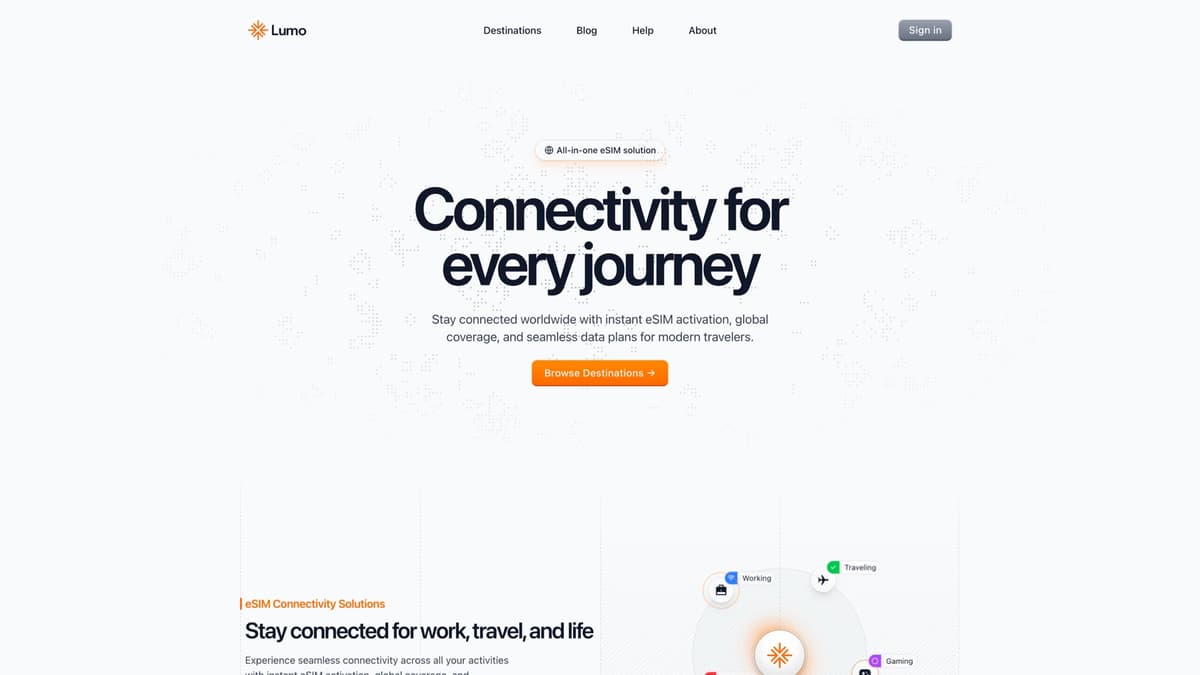
Discover how Lumo answers these challenges with an all-in-one eSIM platform designed for global travelers and digital nomads. Experience instant activation, flexible data plans across over 160 countries, and effortless switching between carriers to save money and maintain high-speed connectivity. Take advantage of robust multi-profile management to protect your work and personal data while keeping all your devices connected securely. Don’t let complex mobile data management slow you down. Visit Lumo’s main site to get started and simplify your international connectivity today.
Frequently Asked Questions
How can I assess my destination’s data coverage before traveling?
To assess your destination’s data coverage, research local mobile network reliability, Wi-Fi accessibility, and data protection regulations. Check telecommunications regulators and online forums to gather detailed information about connectivity options.
What factors should I consider when selecting an eSIM plan for travel?
When choosing an eSIM plan, consider your expected data usage, network coverage, and the duration of your stay. Analyze your data requirements and compare various provider options to find the best fit for your travel needs.
How can I activate and test my eSIM before leaving?
To activate and test your eSIM, download the profile from your provider, install it on your device, and verify its functionality. Perform connectivity tests and confirm roaming settings at least 48 hours before departure to resolve any issues in advance.
What is the best way to monitor my data usage while traveling?
Monitor your data usage by tracking consumption through device settings and using built-in data management tools. Set alerts for data limits and prioritize Wi-Fi connections to avoid exceeding your data allowance.
How do I switch between local carriers to save on data costs?
To switch between local carriers efficiently, research local rates and coverage before your arrival. Use eSIM profiles to switch networks based on cost-effectiveness, and update your carrier selection as needed during your travels.
What security measures should I implement to protect my devices on the go?
Implement robust security measures such as full device encryption, multi-factor authentication, and reputable security applications. Regularly review app permissions and use virtual private networks to safeguard your data when connecting to public networks.
Recommended
Related Topics
Stay Connected Anywhere
Prepaid eSIM data plans for 180+ countries and territories. No physical SIM required.