7-Step Avoid Roaming Charges Checklist for Global Travelers

Traveling outside your home country puts your mobile phone at risk of costly surprises. High international roaming fees and confusing carrier rules can quickly derail your budget and leave you disconnected when you need reliable service most. If you want to avoid unexpected charges and maintain strong connectivity, smart planning is essential before you leave home.
This guide delivers practical, step-by-step solutions to keep your phone working smoothly while you travel. You will discover how to research local carriers, use powerful eSIM technology, and manage your data usage with confidence. Get ready to unlock expert tips that will save money and ensure your devices stay connected across borders.
Table of Contents
- Understand How Roaming Charges Work
- Research Local Carrier Options Before Traveling
- Choose and Install an eSIM for Multiple Devices
- Activate the Right Data Plan for Your Destination
- Set Up Automatic WiFi Connections Abroad
- Manage App Data Usage and Background Updates
- Use Support Services for Real-Time Troubleshooting
Quick Summary
| Takeaway | Explanation |
|---|---|
| 1. Know Roaming Charges | Roaming fees can be significantly higher abroad; check rates before traveling to avoid surprises. |
| 2. Research Local Carriers | Investigate local networks for coverage and pricing to ensure optimal connectivity and lower costs. |
| 3. Consider Using eSIM | eSIMs simplify connectivity without physical cards, allowing for multiple plans on one device. |
| 4. Activate the Right Plan | Choose a data plan based on your travel duration and data needs to prevent unexpected charges. |
| 5. Manage Data Usage | Disable background app updates and restrict data to save on your international plan while traveling. |
1. Understand How Roaming Charges Work
Roaming charges are the unexpected financial pitfalls that can turn an exciting international trip into a budget nightmare. These fees occur when your mobile device connects to a foreign cellular network outside your home country’s coverage area.
When traveling abroad, your smartphone essentially becomes a guest on another carrier’s network. Mobile data roaming costs can quickly escalate because your home carrier charges premium rates for international network access. These charges apply to multiple services:
- Voice calls made or received internationally
- Text messages sent abroad
- Mobile data usage in foreign countries
International roaming fees can be exponentially higher than domestic rates, sometimes costing up to 10 times your standard pricing.
The complexity of roaming charges stems from intricate agreements between telecommunications companies. Each country and carrier negotiates different wholesale rates, which ultimately determine how much you’ll pay for connectivity.
Most travelers unknowingly accumulate significant expenses by:
- Leaving data roaming accidentally enabled
- Using navigation apps
- Streaming content
- Checking emails
- Making quick phone calls
Network Complexity Matters. The Federal Communications Commission warns that roaming arrangements vary dramatically across different global regions. Some networks charge per minute or megabyte, while others implement daily or weekly international packages.
Pro tip: Always check your carrier’s specific international roaming rates before traveling and consider purchasing a local eSIM or prepaid data plan to dramatically reduce connectivity costs.
2. Research Local Carrier Options Before Traveling
Before jet-setting across international borders, smart travelers understand the critical importance of investigating local telecommunications infrastructure. Global data plan research can save you significant money and connectivity headaches.
Understanding local carrier options involves more than just finding a network that works. It means diving deep into the nuanced world of international mobile services, comparing:
- Coverage areas and signal strength
- Data plan pricing
- Prepaid versus postpaid options
- Network technology standards (4G/5G)
- Customer service accessibility
Not all mobile networks are created equal. What works seamlessly in one country might be frustratingly inadequate in another.
Network Compatibility Matters. The U.S. Department of Commerce emphasizes that travelers should confirm their device will function properly on foreign networks. This means checking:
- Phone frequency band compatibility
- Device unlocking status
- SIM card size and type
- Potential roaming agreements
Carrier research isn’t just about finding a connection. It’s about finding the most cost-effective and reliable option for your specific travel needs.
Pro tip: Use online forums, travel blogs, and local telecommunications websites to gather real-world insights about carrier performance in your destination country.
3. Choose and Install an eSIM for Multiple Devices
The era of juggling multiple physical SIM cards is over. Modern travelers can now leverage multi-device eSIM technologies to streamline their international connectivity.
An eSIM is an embedded digital SIM card that allows you to activate cellular plans without a physical card. Unlike traditional SIM cards, this technology lets you manage multiple carrier profiles on a single device.
Key Advantages of eSIM Technology:
- Instant digital activation
- No physical SIM card swapping
- Support for multiple carrier profiles
- Enhanced security
- Simplified international travel connectivity
Digital mobility means having your connectivity options at your fingertips, without the hassle of physical cards.
The Federal Communications Commission highlights that many modern smartphones now support dual SIM functionality, enabling you to:
- Maintain your home country number
- Add a local data plan
- Switch between networks seamlessly
- Manage multiple profiles digitally
Device Compatibility is crucial. Not all devices support eSIM technology, so verify your smartphone, tablet, or laptop can handle embedded SIM profiles before traveling.
Pro tip: Always download your eSIM profile before traveling and test the connection while you still have reliable wifi access.
4. Activate the Right Data Plan for Your Destination
Selecting the perfect international data plan is like choosing the right travel insurance - critical but often overlooked. Understanding data plan options can save you from unexpected connectivity nightmares and astronomical roaming charges.
International data plans are not one-size-fits-all. Your ideal plan depends on multiple factors specific to your destination and travel style.
Key Considerations for Data Plans:
- Total data volume needed
- Duration of your trip
- Number of devices requiring connectivity
- Destination country’s network infrastructure
- Price per gigabyte of data
Smart travelers plan their data strategy before leaving home.
The International Air Transport Association recommends travelers carefully evaluate their connectivity requirements. This means understanding:
- Exact data consumption patterns
- Potential network restrictions
- Country-specific data regulations
- Backup connectivity options
Network Compatibility is crucial. Some plans offer unlimited data but have speed restrictions or limited coverage in certain regions.
Pro tip: Always do a test download and speed check within the first 24 hours of arriving to confirm your data plan performs as expected.
5. Set Up Automatic WiFi Connections Abroad
Navigating international WiFi networks can feel like solving a complex puzzle. Automatic WiFi setup strategies can transform your travel connectivity experience from frustrating to seamless.
Automatic WiFi connections are not just a convenience. They are a strategic approach to managing data usage and avoiding unexpected roaming charges while traveling internationally.
Key WiFi Connection Benefits:
- Reduce mobile data consumption
- Minimize roaming charges
- Enhance online security
- Access faster internet speeds
- Conserve device battery life
Smart travelers prioritize WiFi connectivity before exploring a new destination.
Global travelers have multiple strategies for setting up automatic WiFi connections:
- Research WiFi networks before departure
- Download offline maps with WiFi hotspots
- Use international WiFi roaming services
- Configure device settings for automatic connection
- Verify network security protocols
Connection Reliability matters. Not all WiFi networks are created equal. Some international networks have limited bandwidth or security vulnerabilities.
Universities and research institutions like Eduroam offer secure, seamless WiFi roaming for academic travelers. These networks provide automatic authentication across hundreds of global locations.
Pro tip: Always use a Virtual Private Network (VPN) when connecting to public WiFi networks to protect your personal data and maintain online privacy.
6. Manage App Data Usage and Background Updates
Your smartphone might be silently devouring data without your knowledge. Mobile data management strategies can help travelers prevent unexpected roaming charges and excessive data consumption.
Background app updates and data syncing can quickly drain your international data plan. Most travelers are unaware that apps continuously consume data even when not actively in use.
Key Data Management Strategies:
- Disable background app refresh
- Turn off automatic app updates
- Restrict cellular data for specific apps
- Download content before traveling
- Use WiFi for large downloads
Silent data consumption can turn your affordable data plan into an expensive nightmare.
Stanford University research highlights critical steps for controlling app data usage:
- Review app data permissions
- Disable unnecessary background activities
- Select manual app update settings
- Monitor data usage in device settings
- Prioritize WiFi for data-intensive applications
Selective App Management is crucial. Not all apps require constant connectivity or immediate updates while traveling.
Pro tip: Create a travel-specific mobile profile with restricted background data and sync settings to maximize your international data plan’s efficiency.
7. Use Support Services for Real-Time Troubleshooting
When connectivity issues strike during international travel, having immediate support can be a lifeline. Mobile roaming support services provide travelers with critical real-time problem resolution strategies.
International mobile networks recognize that connectivity problems can derail travel plans. Support services exist to help travelers quickly resolve issues and minimize disruptions.
Key Support Service Features:
- 24/7 multilingual customer assistance
- Online troubleshooting resources
- Direct carrier communication channels
- Emergency connectivity solutions
- Billing dispute resolution
Proactive support transforms potential connectivity disasters into minor, manageable interruptions.
Effective troubleshooting involves multiple strategic approaches:
- Save carrier support contact information
- Understand your device’s international settings
- Know your rights under roaming agreements
- Document all connectivity issues
- Request detailed billing explanations
Network Reliability requires understanding available support mechanisms. Different carriers offer varying levels of international customer assistance.
Pro tip: Screenshot your device settings and support contact information before traveling to ensure quick access during urgent connectivity challenges.
Below is a comprehensive table summarizing the strategies and information provided in the article regarding connectivity management during international travel.
| Strategy/Topic | Overview | Key Takeaways |
|---|---|---|
| Understanding Roaming Charges | Roaming charges can significantly increase connectivity costs when using mobile services abroad. | Review your carrier’s charges and consider alternatives like local or prepaid plans. |
| Researching Local Carrier Options | Investigate local telecommunications options before traveling. | Compare coverage, pricing, and compatibility to secure reliable and cost-effective connectivity. |
| Using eSIM Technology | Embedded SIM technology simplifies managing multiple mobile network profiles. | Ensure your device supports eSIM and set up profiles prior to travel. |
| Selecting Appropriate Data Plans | Tailor your data plan to your travel behavior and destination. | Assess data needs, duration, and regional networks to avoid overspending. |
| Configuring Automatic WiFi Connections | Optimize WiFi usage abroad to reduce data consumption. | Research secure networks and configure devices for reliability. |
| Managing App Data Usage | Control app background data activities to conserve resources. | Adjust settings to prioritize essential applications only. |
| Accessing Support Services | Mobile network support services assist with connectivity issues. | Save contact details and request billing clarifications if needed. |
Unlock Seamless Global Connectivity and Say Goodbye to Roaming Charges
Traveling abroad should be exciting and worry-free, not overshadowed by surprise roaming fees and connectivity hassles. The challenges outlined in the “7-Step Avoid Roaming Charges Checklist for Global Travelers” highlight just how important it is to control roaming costs, manage device compatibility, and choose the right data plans before crossing borders. At Lumo, we understand these pain points. We offer a modern digital platform designed to empower global travelers and remote workers with instant access to multiple local carriers across over 160 countries — all without physical SIM swaps or unexpected charges.
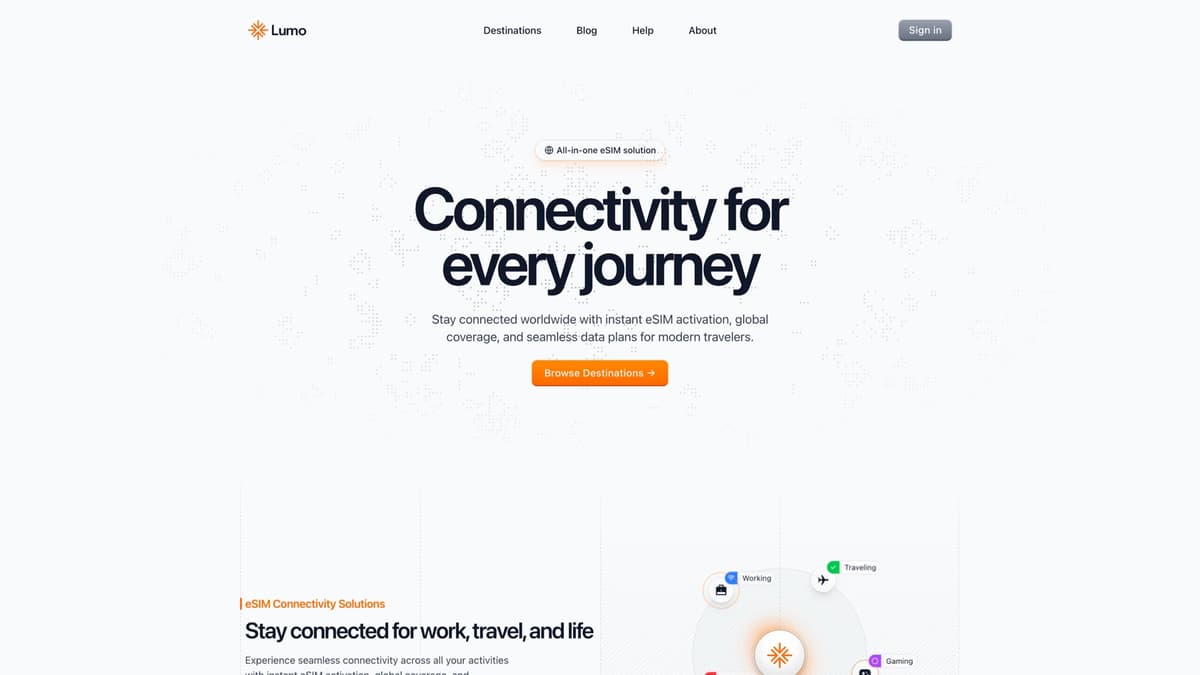
Experience the convenience of our all-in-one eSIM solution, featuring rapid QR code activation, support for multiple devices, and flexible plans tailored to your journey. Don’t let mobile data roaming costs drain your budget or disrupt your travel plans. Start your seamless global connectivity today by visiting Lumo and take control with smart international data plans that match your travel needs perfectly.
Frequently Asked Questions
How can I avoid unexpected roaming charges while traveling internationally?
To avoid unexpected roaming charges, disable data roaming on your device before leaving home and consider purchasing a local eSIM or prepaid data plan. Always check your carrier’s international rates to stay informed and reduce potential costs.
What should I consider when researching local carriers before my trip?
When researching local carriers, evaluate coverage areas, data plan pricing, and customer service support. Compare prepaid versus postpaid options and understand network technology standards to find the best connectivity option for your needs.
How do I activate an eSIM for my travels?
To activate an eSIM, download the eSIM profile from your chosen carrier before traveling and install it while connected to a reliable WiFi network. This allows you to manage multiple carrier profiles on your device, enhancing your connectivity options instantly.
What steps can I take to manage my app data usage while abroad?
To manage app data usage, disable background app refresh and automatic app updates in your settings. You can also restrict cellular data for certain apps to conserve your international data plan effectively.
How can I set up automatic WiFi connections when traveling?
To set up automatic WiFi connections, research available networks before your trip and configure your device settings for automatic connection to recognized WiFi hotspots. Download offline maps that include WiFi locations to ensure you can access the internet with minimal mobile data usage.
Where can I find support if I experience connectivity issues abroad?
If you encounter connectivity issues while traveling, save your carrier’s support contact details for quick access. Understanding your device’s international settings and knowing your rights regarding roaming agreements can also help you resolve problems efficiently.
Recommended
Related Topics
Stay Connected Anywhere
Prepaid eSIM data plans for 180+ countries and territories. No physical SIM required.