Digital SIM Explained: What eSIM Technology Does for You

TL;DR:
- A digital SIM, or eSIM, is a built-in, programmable chip that replaces physical SIM cards and allows quick, over-the-air activation. It can store multiple carrier profiles securely, reducing fraud risks and environmental impact, while offering instant activation and seamless international travel plans. Support spans most modern smartphones, and rapid adoption is driven by major devices like the iPhone 14, making eSIM the future of mobile connectivity.
A digital SIM, known in the industry as an eSIM (embedded SIM), is a programmable chip built directly into your device that replaces the physical plastic SIM card you slide into a tray. Instead of visiting a store or waiting for a card to arrive in the mail, you download a carrier profile over the air and start using cellular service within minutes. Apple confirms that iPhones can manage multiple eSIMs, activated during device setup or at any point afterward. For travelers, remote workers, and anyone tired of juggling SIM cards, this shift changes how mobile connectivity works at a fundamental level.
What is a digital SIM and how does it differ from a physical SIM?
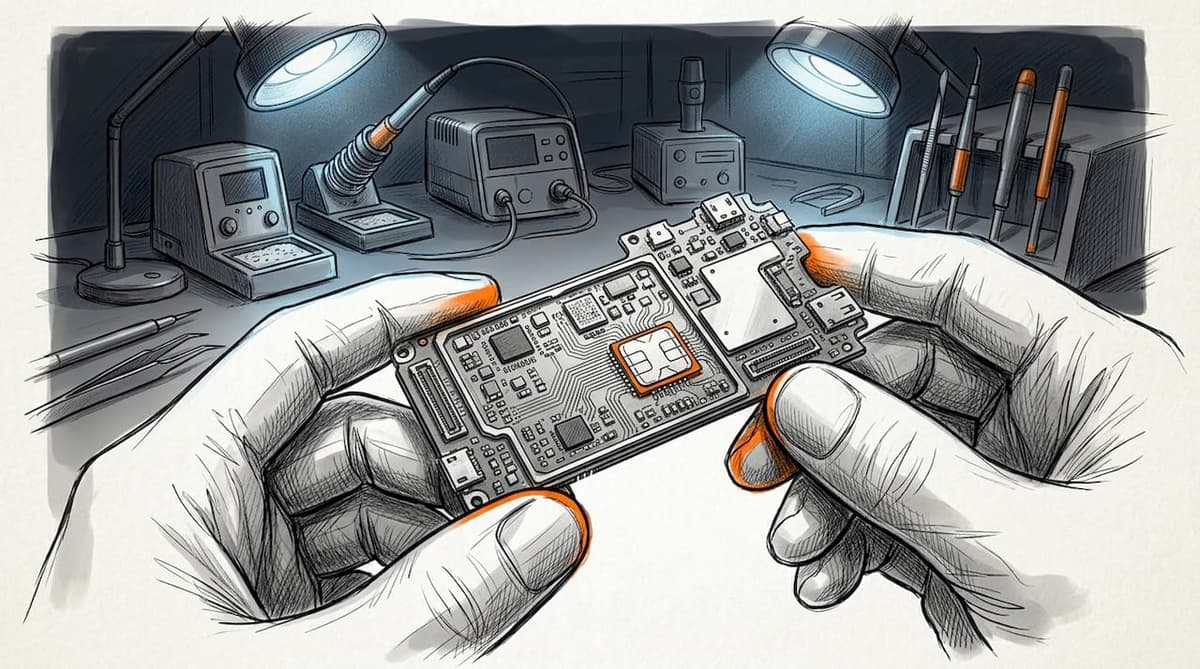
A digital SIM is defined as an embedded SIM card soldered onto your device’s motherboard, governed by a standard called eUICC (Embedded Universal Integrated Circuit Card). The eUICC is the hardware. The eSIM is the software profile that lives inside it. That distinction matters because the same chip can hold multiple carrier profiles at once, something a physical SIM card can never do.
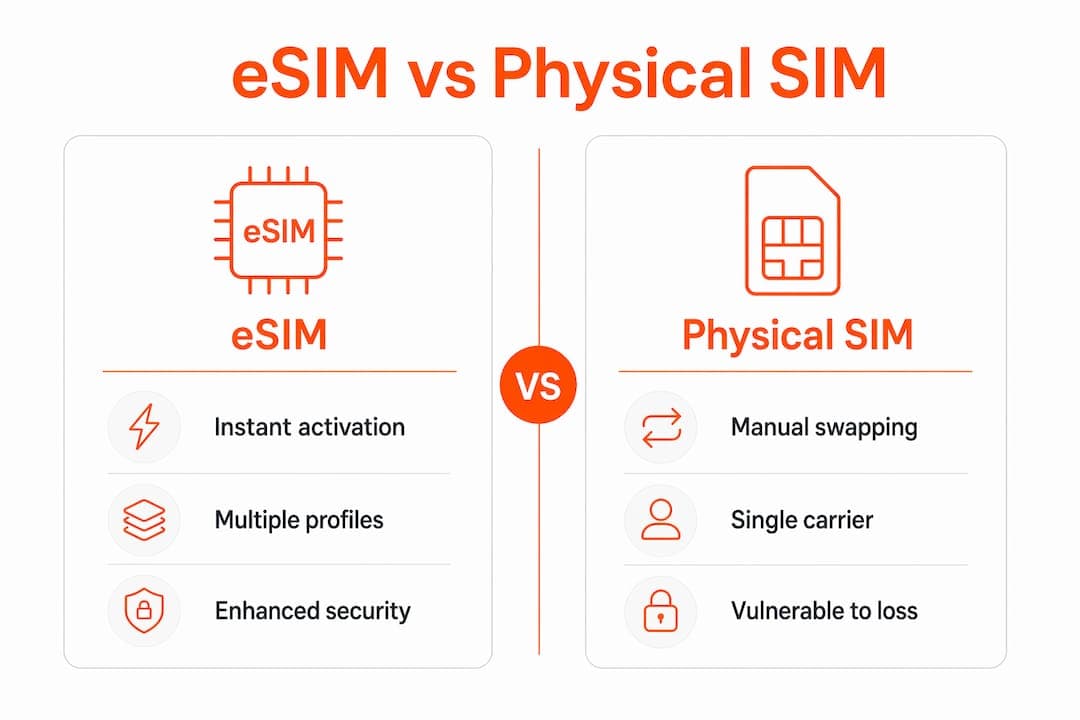
Physical SIM cards are locked to one carrier at a time. Switching means physically swapping the card, which is inconvenient at home and genuinely disruptive when you land in a foreign country. A digital vs physical SIM comparison makes the gap clear: eSIMs activate instantly, store multiple plans, and cannot be lost or damaged because they are part of the device itself.
The GSMA, the global body that sets mobile industry standards, defines the technical specifications that make eSIMs interoperable across carriers and devices. This standardization is why an eSIM profile from a carrier in Japan works on the same chip as a plan from a carrier in Germany.
How does eSIM technology actually work?
The technical foundation of eSIM technology rests on three components working together: the eUICC chip in your device, a carrier’s SM-DP+ (Subscription Manager Data Preparation) server, and a Local Profile Assistant running on the device itself. When you activate an eSIM, remote SIM provisioning via GSMA standards orchestrates a cryptographic handshake between your device and the carrier’s server, then downloads and installs the operator profile securely.
Each profile sits in its own isolated container inside the eUICC. Cryptographic secure provisioning prevents one profile from accessing another, which is why eSIMs are considered more secure than physical SIM cards that can be physically removed and cloned. The eSIM infrastructure stack also includes SM-DS (Subscription Manager Discovery Service) servers that help devices locate the correct provisioning server when no QR code is available.
Here is what happens step by step when a profile installs:
- Your device contacts the SM-DS server to discover pending profile notifications
- The SM-DS redirects the device to the correct SM-DP+ server
- A mutual authentication exchange verifies both the device and the server
- The encrypted profile downloads and installs into a secure container on the eUICC
- The carrier profile activates and registers to the network
Pro Tip: Not every carrier supports every eSIM activation method. Verify that your carrier supports remote provisioning before purchasing a plan, especially for international travel.
Digital SIM vs physical SIM: key benefits at a glance
The advantages of eSIM technology over a physical SIM card are concrete and measurable, not theoretical. Key eSIM advantages include instant activation, multi-profile storage, stronger security, and no physical logistics.
| Feature | eSIM (Digital SIM) | Physical SIM |
|---|---|---|
| Activation speed | Minutes, over the air | Hours to days (shipping or store visit) |
| Number of profiles | Multiple stored simultaneously | One at a time |
| SIM swap fraud risk | Significantly reduced | Higher, card can be physically removed |
| Environmental impact | No plastic waste | Plastic card and packaging |
| Travel flexibility | Switch plans without a new card | Requires new card per country |
Security deserves special attention. Because the eUICC chip is soldered into the device and profiles are cryptographically protected, eSIM technology substantially reduces the risk of SIM swap fraud, a scam where criminals convince a carrier to transfer your number to a card they control.
Pro Tip: If you travel frequently, pre-load a local data plan for your destination before you board. You can activate it the moment you land, without hunting for a SIM vendor in an unfamiliar airport.
How to activate and manage an eSIM on your device
Activation is straightforward once you know which method your carrier supports. Apple supports four eSIM activation methods: QR code scanning, carrier app installation, quick transfer from another iPhone, and manual entry of activation details. Android devices from Samsung, Google Pixel, and others follow similar paths through their respective settings menus.
Here is the standard QR code activation process, which works across most carriers and devices:
- Purchase a data plan from your carrier or a travel eSIM provider
- Receive a QR code by email or within the provider’s app
- Open your device’s cellular settings and select “Add eSIM” or “Add Mobile Plan”
- Scan the QR code using your device camera
- Confirm the plan details and complete the installation
- Label the new plan (for example, “Europe Trip” or “Work Line”) for easy identification
- Set your preferred plan as the default for data, calls, or both
Managing multiple eSIMs is handled entirely within your device settings. You can enable or disable individual profiles without deleting them, which means your home carrier plan stays stored and ready while a travel plan is active. For a detailed walkthrough, the step-by-step eSIM activation guide covers setup across the most common devices in 2026.
Why eSIMs are ideal for international travel
For international travelers, eSIM technology solves a problem that has existed since mobile phones went global: how do you get affordable local data without the hassle of finding and buying a SIM card in every country you visit? eSIM roaming plans allow you to connect abroad by downloading a local or international profile remotely, before or after you land.
The cost difference is significant. Standard carrier roaming rates can run several dollars per megabyte in some regions. A local eSIM data plan purchased through a travel provider typically costs a fraction of that. Multi-profile eSIM storage lets you pre-load plans for multiple countries on a single trip, switching between them as you cross borders without touching your device’s SIM tray.
Practical advantages for travelers include:
- No need to find a SIM vendor at the airport or navigate foreign carrier stores
- Keep your home number active on the same device for calls and two-factor authentication
- Switch between plans in seconds from your settings menu
- Plans available for over 160 countries through providers like Lumo
For a full breakdown of how to cut roaming costs, the guide to avoiding roaming fees covers carrier-by-carrier strategies and plan selection.
Key takeaways
A digital SIM (eSIM) is the most practical upgrade in mobile connectivity for travelers, offering instant activation, multi-profile storage, and stronger security than any physical SIM card can provide.
| Point | Details |
|---|---|
| eSIM definition | An embedded chip (eUICC) in your device that stores and manages carrier profiles digitally. |
| Activation method | Download a carrier profile via QR code, app, or quick transfer in minutes. |
| Travel advantage | Pre-load multiple country plans and switch between them without a physical card. |
| Security benefit | Cryptographic profile isolation reduces SIM swap fraud risk significantly. |
| Device compatibility | Apple iPhones, Samsung Galaxy, and Google Pixel devices all support eSIM in 2026. |
Why eSIM adoption is moving faster than most people realize
I have been watching the eSIM ecosystem for years, and the pace of adoption in 2025 and 2026 has outrun even optimistic projections. What surprises most people is not the technology itself. It is how quickly carriers that resisted eSIM are now racing to support it, largely because the iPhone 14 and later models in the US launched as eSIM-only devices. That single product decision forced the entire carrier ecosystem to catch up.
The area I think gets underestimated is iSIM, the next evolution where the SIM functionality is integrated directly into the main application processor rather than a separate chip. CSL Group and others in the IoT space are already deploying iSIM at scale for connected devices. For consumers, this means future smartphones will have even less physical hardware dedicated to connectivity, and the concept of a “SIM card” will feel as dated as a floppy disk.
My honest advice: if you have a device purchased in the last three years, it almost certainly supports eSIM. The barrier is not hardware. It is awareness. Most people still buy physical SIM cards at airports out of habit, not necessity. Check your device settings before your next trip. You will likely find eSIM support already waiting for you.
— Bogdan
Get connected instantly with Lumo eSIM
Lumo makes global connectivity straightforward for travelers who want data the moment they land, not after a trip to a carrier store.
With coverage across over 160 countries and plans that activate via QR code in minutes, Lumo removes every friction point from international mobile connectivity. You purchase a plan, scan a code, and your device connects to a local network at local rates. No plastic cards, no roaming surprises, no waiting. Whether you need data for a weekend trip or a three-month work stint abroad, Lumo’s flexible plans scale to your itinerary. Explore Lumo’s instant global data plans and activate your eSIM before your next departure.
FAQ
What is an eSIM?
An eSIM is an embedded SIM card built into your device as a chip, allowing you to activate carrier plans digitally without inserting a physical SIM card. It stores multiple operator profiles and is governed by GSMA standards for interoperability.
How does eSIM activation work?
eSIM activation works by scanning a QR code or using a carrier app to download an operator profile directly to your device’s eUICC chip over the air. The process takes minutes and requires no store visit or physical card.
Can I use an eSIM for international travel?
Yes. eSIMs are particularly well-suited for international travel because you can purchase and activate a local data plan before or after landing, avoiding standard roaming fees entirely. Many providers offer plans covering multiple countries on a single profile.
Is an eSIM more secure than a physical SIM?
An eSIM is more secure than a physical SIM because each carrier profile is stored in a cryptographically isolated container on the eUICC chip, making it resistant to SIM swap fraud and physical theft.
What devices support eSIM in 2026?
Most flagship smartphones released after 2020 support eSIM, including Apple iPhone XS and later, Samsung Galaxy S20 and later, and Google Pixel 3 and later. Apple’s US iPhone 14 and newer models are eSIM-only with no physical SIM tray.
Recommended
Related Topics
Stay Connected Anywhere
Prepaid eSIM data plans for 180+ countries and territories. No physical SIM required.