Avoid roaming charges guide: save on mobile data in 2026

Traveling abroad shouldn’t mean paying sky-high phone bills. International roaming charges can inflate your mobile data costs by 3 to 10 times local rates, turning a two-week vacation into a financial headache. The good news? You can slash these expenses by up to 90% with smart connectivity strategies. This guide breaks down exactly how roaming fees work, why they’re so expensive, and gives you practical steps to stay connected globally without breaking the bank.
Table of Contents
- Understanding Roaming Charges: Why They Are Expensive
- Technology Overview: How Esim Enables Roaming Avoidance
- Comparison Of Options: Local Sums, Roaming, And Esims
- Common Misconceptions About Roaming Charges
- Practical Step-By-Step Guide: Using Esims To Avoid Roaming
- Summary And Best Practices For Cost-Effective Global Connectivity
- Discover Lumo Esim For Seamless Global Data
- Frequently Asked Questions
Key takeaways
| Point | Details |
|---|---|
| Roaming fees are inflated | International data costs 3 to 10 times more than local rates due to inter-operator charges and currency conversion. |
| eSIM technology cuts costs | Digital SIM profiles let you switch carriers instantly, reducing data expenses by up to 90% compared to traditional roaming. |
| Background data drains money | Apps updating automatically while roaming can trigger unexpected charges even when you’re not actively using your phone. |
| Device compatibility matters | Check if your smartphone supports eSIM before traveling to avoid connectivity issues and ensure seamless carrier switching. |
| Strategic planning saves most | Combining eSIM plans with local carriers and disabling roaming data prevents bill shock and maintains reliable global connectivity. |
Understanding roaming charges: why they are expensive
Roaming charges exist because your home carrier doesn’t own infrastructure in foreign countries. When you travel, your phone connects to a local network abroad, and that foreign operator charges your carrier for access. Your carrier then passes those costs to you, often with significant markup.
The real shock comes from how these fees stack up. International roaming fees can be 3 to 10 times higher than local data costs due to inter-operator tariffs, currency exchange spreads, and service fees. A 1GB data package that costs $10 locally might run you $80 or more on a roaming plan.
Hidden charges make matters worse. Most travelers don’t realize their bills include costs from background app data. Email syncing, social media refreshing, and automatic cloud backups all consume data silently. Even with your phone in your pocket, these always-on services rack up charges.
“The biggest billing surprises come from data you never knew you were using. Background processes can consume hundreds of megabytes daily without a single notification.”
Here’s what drives roaming costs higher:
- Inter-operator wholesale rates that carriers negotiate privately
- Currency conversion fees applied to international transactions
- Infrastructure access costs for using foreign cell towers
- Lack of local carrier discounts and competitive pricing pressure
- Administrative overhead for billing across multiple networks
Understanding these cost drivers helps you make smarter choices. The avoiding roaming fees guide shows travelers aren’t stuck paying premium prices. Alternative connectivity methods offer dramatic savings without sacrificing service quality.
Technology overview: how eSIM enables roaming avoidance
eSIM technology fundamentally changes how travelers connect abroad. Unlike traditional plastic SIM cards you physically swap, an eSIM is embedded directly in your device. It’s a programmable chip that stores multiple carrier profiles digitally, letting you switch networks through software instead of hardware.

The practical benefits are immediate. You can download a local carrier profile for any destination before you even board your plane. eSIM supports multiple carrier profiles installed digitally and enables instant activation and switching via QR code with 5G worldwide. No hunting for SIM card vendors at the airport, no tiny ejector tools, no risk of losing your original SIM.
Activation takes minutes, not hours. Here’s what makes eSIM adoption so simple:
- Scan a QR code from your carrier to download the profile
- The profile installs automatically on your device
- Activate it with one tap in your phone settings
- Switch between profiles anytime without hardware changes
- Maintain multiple active profiles for different regions
Speed matters too. Modern eSIMs support 5G connectivity in supported markets, giving you the same high-speed data locals enjoy. Coverage spans 160+ countries with esim setup options that work across regions and carriers.
Pro Tip: Download your destination’s eSIM profile while still on home Wi-Fi. This ensures you have connectivity the moment you land, avoiding any gaps in service or accidental roaming charges during setup.
The technical barrier is lower than most people think. You don’t need to understand how cellular networks function. The esim roaming comparison shows that managing profiles through your device’s interface is as straightforward as connecting to Wi-Fi. The technology handles the complexity behind the scenes while you enjoy seamless, cost-effective global connectivity.
Comparison of options: local SIMs, roaming, and eSIMs
Travelers face several connectivity choices, each with distinct tradeoffs in cost, convenience, coverage, and security. Understanding these differences helps you pick the right approach for your specific travel needs.
| Option | Cost | Convenience | Coverage | Security |
|---|---|---|---|---|
| Traditional Roaming | High (3-10x local rates) | Instant, automatic | Excellent | High (trusted carrier) |
| Physical Local SIM | Very Low | Moderate (requires purchase/swap) | Good (country specific) | Moderate |
| Public Wi-Fi Only | Free | Low (spotty availability) | Poor | Low (vulnerable to attacks) |
| eSIM Plans | Low to Moderate | High (instant digital activation) | Excellent (160+ countries) | High (encrypted connections) |
| Portable Hotspot | Moderate | High (separate device required) | Good | Moderate to High |
The numbers tell a compelling story. Local SIMs reduce data costs by 70-90% compared to roaming fees and provide better performance. You get local carrier speeds without the markup your home operator adds. However, you’ll spend time finding vendors, dealing with language barriers, and managing multiple physical cards for multi-country trips.
Public Wi-Fi seems attractive until you consider the risks. Free airport or cafe networks lack encryption, exposing your data to potential interception. Banking apps, email, and sensitive browsing become security hazards. Connection quality varies wildly, making video calls or reliable work sessions nearly impossible.
eSIMs split the difference beautifully. You get the low costs of local plans without the hassle of physical SIM management. One device holds multiple carrier profiles, letting you switch markets instantly. The avoid roaming charges checklist highlights how digital activation eliminates vendor hunting and setup delays.
Pro Tip: For trips spanning multiple countries, eSIMs shine brightest. Load profiles for each destination in advance, then activate them as you cross borders. No SIM swapping, no connection gaps, no emergency scrambles to find local vendors.
Your ideal option depends on trip characteristics:
- Single-country trips lasting weeks: Physical local SIM offers maximum value
- Multi-country trips or short stays: eSIM provides best convenience-cost balance
- Business travel requiring constant connectivity: eSIM or premium roaming for reliability
- Budget backpacking with flexible schedules: Mix of local SIMs and Wi-Fi works
The key insight? You’re not locked into one method. Many savvy travelers combine approaches, using eSIM for primary connectivity while supplementing with Wi-Fi for large downloads or video streaming.
Common misconceptions about roaming charges
Several persistent myths about international roaming lead travelers to overpay or miss better alternatives. Let’s clear up the most damaging misconceptions so you can make informed connectivity decisions.
The biggest myth is that home carrier roaming packages offer competitive rates. Many travelers wrongly believe their carrier’s roaming package is cheapest, but local or eSIM plans are often cheaper and faster. Carriers market these packages aggressively, creating the illusion of value. In reality, you’re still paying inflated wholesale rates with markup. A carrier offering “discounted” roaming at $10 per day sounds reasonable until you realize an eSIM plan delivers the same data for $3 per day.
Another dangerous assumption is that roaming charges only apply during active use. Background app activity generates constant data consumption:
- Email clients checking for new messages every few minutes
- Social media apps refreshing feeds automatically
- Cloud storage services syncing photos and documents
- System updates downloading without user confirmation
- Navigation apps updating maps and traffic data
These processes run invisibly, turning your phone into a billing machine even while it sits in your pocket. Travelers who assume they’re safe because they’re not actively browsing can face hundreds of dollars in surprise charges.
Many people also believe switching eSIM profiles is technically complex or risky. The truth? It’s simpler than changing Wi-Fi networks. Modern smartphones guide you through the process with clear prompts. You’re not manipulating carrier settings or risking service disruption. The roaming fees misconceptions guide shows activation takes under five minutes with basic smartphone skills.
The fear of losing your home number creates another barrier. People worry that activating an eSIM means abandoning their primary line. In practice, dual SIM functionality lets you maintain your home number for calls and texts while using the eSIM for data. You stay reachable without paying roaming data rates.
Finally, some travelers assume all international destinations support the same connectivity options. eSIM availability and local SIM regulations vary by country. China, for example, requires registration with government ID for any SIM purchase. Some nations restrict eSIM activation for foreign visitors. Research your specific destinations before relying solely on one connectivity method.
Practical step-by-step guide: using eSIMs to avoid roaming
Implementing eSIM technology requires following a systematic process to ensure seamless connectivity without surprise charges. This walkthrough covers everything from device preparation through active trip management.
Step 1: Verify device compatibility. Not all smartphones support eSIM technology yet. Check your device specifications or settings menu for eSIM capability. Most iPhones from XS/XR onwards and Android flagships from 2020 forward include support. Look for “Add eSIM” or “Add Cellular Plan” options in your network settings.
Step 2: Research and select carrier plans for destinations. Compare eSIM providers offering coverage in your travel countries. Focus on data allowances, validity periods, and supported networks. Regional plans covering multiple countries often beat single-country options for multi-destination trips. Read reviews about activation reliability and customer support quality.
Step 3: Download eSIM profiles before departure. Purchase and download your chosen eSIM plans while still on home Wi-Fi. Pre-loading and activating eSIM profiles upon arrival prevents any roaming charges and ensures seamless connectivity. You’ll receive QR codes via email. Scan them in your phone’s eSIM settings to install profiles without activating them yet.
Step 4: Configure device settings before travel. Disable data roaming on your primary line completely. This prevents accidental connections to foreign networks. Set your eSIM profile as the default data line. Enable Wi-Fi calling on your home line if you want to receive calls without roaming charges. The esim setup success guide walks through these settings screen by screen.
Step 5: Activate eSIM profile upon arrival. Once you land, turn on your chosen eSIM profile through network settings. The connection typically establishes within 30 seconds. You’ll see the new carrier name in your status bar. Test connectivity by opening a browser or messaging app. Keep your home line active but with data disabled if you want to receive SMS or calls.
Step 6: Monitor data usage actively. Check your consumption daily through your phone’s data usage tracker or the eSIM provider’s app. Set alerts at 50%, 75%, and 90% of your allowance. This prevents unexpected overages. Most travel data management tools show real-time usage broken down by app.
Step 7: Manage background data aggressively. Disable automatic app updates, cloud syncing, and background refresh for non-essential apps. Limit video streaming quality. Download maps, entertainment, and large files on Wi-Fi before heading out. These small adjustments extend your data allowance significantly.
Step 8: Handle multi-country transitions smoothly. When crossing borders, switch to the appropriate regional or country-specific eSIM profile. Turn off the previous profile to avoid confusion. The esim installation guide explains how to manage multiple active profiles without service interruptions.
Pro Tip: Keep a screenshot of your home carrier’s settings and your eSIM QR codes in your photo gallery. If something goes wrong, you can quickly restore configurations without searching through emails or documentation.
These systematic steps eliminate the guesswork from international connectivity. Following this process ensures you stay connected reliably while avoiding the roaming charges that catch unprepared travelers off guard.
Summary and best practices for cost-effective global connectivity
Effective international connectivity requires combining the right technology with strategic planning and disciplined usage habits. These consolidated best practices help you maintain reliable connections while minimizing costs across all travel scenarios.
Start by making eSIM technology your primary connectivity strategy. The flexibility to switch carriers digitally gives you local rates without physical SIM management hassles. Load multiple profiles before travel so you’re prepared for any destination or connectivity challenge. This approach delivers the lowest per-gigabyte costs while maintaining premium network quality.
Data monitoring can’t be optional. Set automatic alerts and check usage daily. Understanding your consumption patterns helps you adjust behavior before hitting expensive overages. Many travelers are shocked to discover which apps consume the most data. Identifying these culprits lets you make informed choices about what to use on cellular versus Wi-Fi.
Key practices that maximize savings and connectivity:
- Combine eSIM plans with strategic local carrier switching for optimal rates
- Download large files, maps, and entertainment on Wi-Fi before leaving accommodations
- Use secured hotel or cafe Wi-Fi to supplement cellular data for bandwidth-heavy tasks
- Disable background refresh, automatic updates, and cloud syncing while traveling
- Research regulatory restrictions on eSIM use before visiting countries with tight telecom rules
- Maintain your home line with roaming disabled for emergency SMS and call access
Device and regional limitations require attention too. Some countries restrict eSIM activation for foreign visitors or require local ID for registration. Older devices may lack eSIM support entirely, forcing reliance on physical SIMs or hotspots. The roaming charges best practices guide covers these scenarios with fallback strategies.
Trip duration influences your optimal approach. Short business trips may justify premium roaming for convenience. Extended stays benefit from local SIM cards offering the absolute lowest rates. Multi-country adventures work best with regional eSIM plans that activate across borders seamlessly.
The fundamental principle stays constant: proactive planning beats reactive scrambling. Travelers who research options, configure devices properly, and monitor usage actively avoid the bill shock that ruins post-trip budgets. These habits become second nature after a few trips, making cost-effective global connectivity automatic rather than stressful.
Discover Lumo eSIM for seamless global data
Ready to put these strategies into action? Lumo eSIM instant global plans deliver the connectivity solution this guide recommends. Access instant, pay-as-you-go data plans across 160+ countries without hunting for local SIM vendors or managing physical cards.
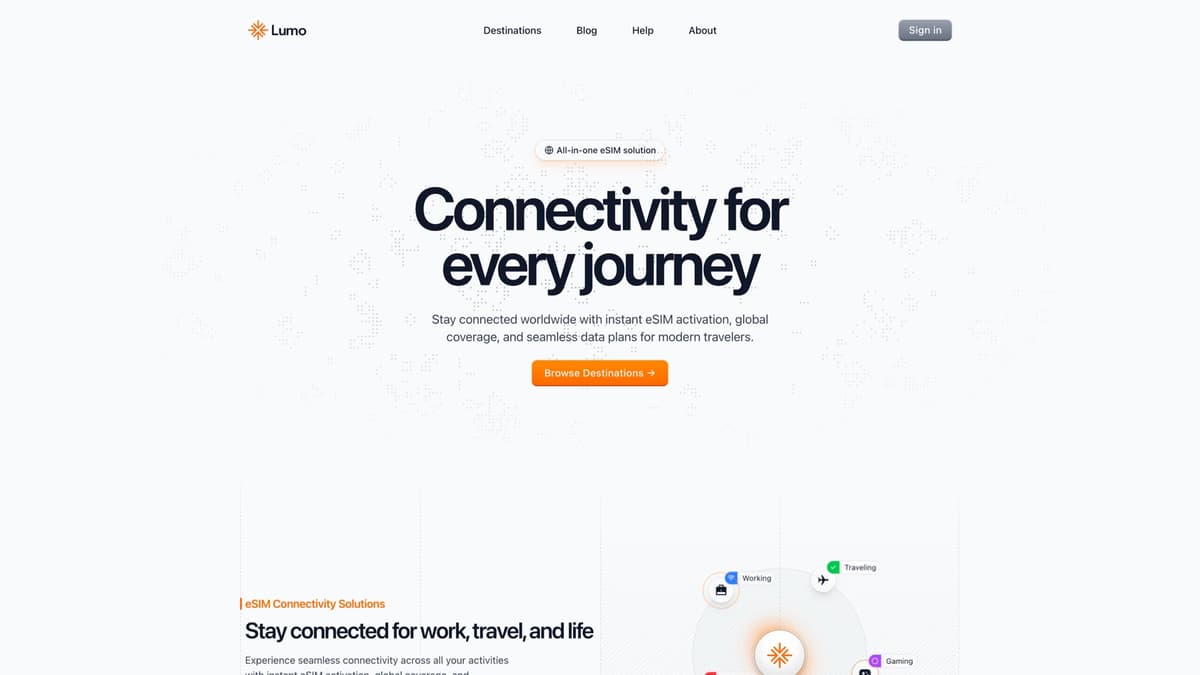
Activation takes minutes through simple QR code scanning. Switch between carriers digitally as you cross borders, maintaining local rates everywhere you travel. Whether you’re a frequent business traveler or a digital nomad exploring the world, Lumo’s flexible plans adapt to your connectivity needs. High-speed 5G and 4G networks keep you productive and connected. 24/7 support ensures help is available whenever you need it. Stop paying inflated roaming charges and start traveling smarter with technology designed specifically for global connectivity.
Frequently asked questions
How do I know if my phone supports eSIM?
Check your phone’s settings menu for “Add eSIM” or “Add Cellular Plan” options under network or cellular settings. Most iPhones from XS/XR models onward and Android flagships from 2020 forward include eSIM support. You can also dial *#06# to see if an EID (eSIM identifier) number appears alongside your IMEI. The esim setup guide provides device-specific compatibility checks.
Can I use multiple eSIM profiles at once?
Yes, modern smartphones support storing multiple eSIM profiles, though typically only one or two can be active simultaneously depending on your device. iPhones allow dual active lines (one physical SIM plus one eSIM, or two eSIMs on newer models). This lets you maintain your home number for calls while using a local eSIM for data. You can switch between stored profiles instantly through settings without redownloading.
What happens if I don’t disable roaming data on my device?
Your phone will automatically connect to foreign networks, triggering expensive roaming charges even when you’re not actively using it. Background app processes like email syncing, app updates, and cloud backups consume data continuously. A single day of accidental roaming can generate $50-100 in charges. Always disable data roaming on your home line before traveling and use only your eSIM profile for data connectivity.
Are there countries where eSIM use is restricted?
Some nations impose regulatory restrictions on eSIM activation for foreign visitors. China requires government ID registration for any SIM purchase, including eSIMs. A few countries limit eSIM providers or require local partnerships that restrict traveler access. Research your specific destinations beforehand and have backup connectivity options like portable hotspots or physical local SIMs if you’re visiting countries with strict telecom regulations.
How can I monitor my data usage effectively while traveling?
Use your phone’s built-in data tracking feature found in settings under cellular or network usage. Set the measurement period to match your eSIM plan validity and configure alerts at 50%, 75%, and 90% of your allowance. Many eSIM providers also offer companion apps showing real-time usage. Check consumption daily and identify data-hungry apps. Disable background refresh for non-essential apps and download large files only on Wi-Fi to extend your allowance.
Recommended
- What is data roaming in 2026: avoid $6,000 bills abroad | Lumo eSIM Store
- 7-Step Avoid Roaming Charges Checklist for Global Travelers | Lumo eSIM Store
- Mobile Data Roaming: Costs, Risks, and Smarter Choices | Lumo eSIM Store
- International Roaming Explained: Avoiding Costly Mistakes | Lumo eSIM Store
Related Topics
Stay Connected Anywhere
Prepaid eSIM data plans for 180+ countries and territories. No physical SIM required.