Top Mobile Connectivity Tips to Save Data and Avoid Roaming Fees

TL;DR:
- Using a travel eSIM or local SIM can save significantly on international data costs.
- Ensuring your phone is unlocked and compatible is essential before using foreign SIMs or eSIMs abroad.
- Managing data actively with settings like LTE-only mode and usage alerts helps maintain connection quality during travel.
Roaming fees have a way of turning a smooth trip into a financial headache fast. A single week abroad with your carrier’s default international plan can cost you two to three times more than a local data option would. Whether you’re a remote worker hopping time zones or a traveler trying to share photos without breaking the bank, smart mobile planning is the difference between stress-free connectivity and a shocking phone bill. This guide walks you through every step, from pre-departure prep to on-the-road troubleshooting, so you stay connected without overpaying.
Table of Contents
- Check your phone’s compatibility and prep before departure
- Choose the right data plan: eSIMs vs. carrier roaming
- Set up and manage your travel eSIM or SIM card
- Optimize mobile usage: Saving data and troubleshooting on the go
- Our take: Why the best solution depends on your travel style
- Stay connected globally with Lumo eSIM and expert guides
- Frequently asked questions
Key Takeaways
| Point | Details |
|---|---|
| Unlock and check your phone | Make sure your device is unlocked and network-compatible before your trip to prevent connection problems. |
| Choose cost-effective data plans | Travel eSIMs typically deliver more data for less cost abroad than carrier roaming plans. |
| Disable roaming and manage data | Turn off data roaming on your home SIM and monitor usage to avoid hidden fees. |
| Adapt your approach by trip | Opt for eSIMs in multi-country trips, and try local SIMs for rural coverage or backup. |
Check your phone’s compatibility and prep before departure
Before you think about data plans, you need to know if your phone will actually work at your destination. Not all devices support every network band, and buying a plan that your phone can’t use is a frustrating waste of money. Verifying band compatibility and your phone’s unlocked status should be the very first step before any international trip.
Here’s a simple pre-departure checklist to follow:
- Confirm your phone is unlocked. Contact your carrier or check settings under SIM status. A locked phone won’t accept a foreign SIM or activate most eSIM profiles from third-party providers.
- Check band compatibility. Look up your phone’s model specs and compare them to the frequency bands used by carriers at your destination. LTE bands 1, 3, and 7 cover most of Europe and Asia.
- Back up everything. A factory reset abroad is not fun. Back up to the cloud or a local drive before you leave.
- Download offline essentials. Maps, translation apps, and documents should be available without a data connection.
- Test your eSIM activation at home before departure and turn on data usage monitoring in your phone settings.
For a guided walkthrough of the process, check out this overview on setting up eSIM before you go. You can also use a travel essentials checklist to make sure nothing slips through the cracks.
Pro Tip: Activate your eSIM and connect it to your home Wi-Fi at least 24 hours before departure. Some eSIM profiles take a few minutes to fully configure, and you don’t want to discover a problem at the airport.
Choose the right data plan: eSIMs vs. carrier roaming
With your phone ready for global networks, it’s time to compare your connectivity options abroad. There are three main choices: your home carrier’s roaming plan, a travel eSIM (an embedded digital SIM you activate without a physical card), or a local physical SIM purchased at your destination.
Here’s how they stack up:
| Option | Cost | Convenience | Flexibility |
|---|---|---|---|
| Carrier roaming | High | Very easy | Low |
| Local SIM | Low | Moderate | Medium |
| Travel eSIM | Low to mid | Very easy | High |
Carrier roaming is the most familiar option, but it’s rarely the smartest. Verizon and AT&T charge $10 to $12 per day with data throttled after 1 to 2GB, while T-Mobile offers free roaming but at 2G speeds after 5GB. For a week in Europe, that adds up fast.
Travel eSIMs are a better fit for most trips. A 10GB Europe plan runs roughly $20 to $25 for 30 days, compared to $84 or more for equivalent carrier roaming. And swapping to a new eSIM mid-trip takes about two minutes. The benefits of eSIM go beyond cost: you keep your home number active for calls and texts while running a separate data line. For a broader breakdown, this guide to avoiding roaming fees covers every scenario in detail.
Pro Tip: On multi-country trips in Europe, use a regional eSIM instead of buying separate plans per country. One plan covers your entire route and removes the hassle of switching.
Set up and manage your travel eSIM or SIM card
Understanding your options is only useful if you know how to set up and manage your choice. The process is simpler than most people expect, but a few missteps can lead to accidental roaming charges.
Follow these steps to get connected cleanly:
- Unlock your phone with your home carrier before leaving, if you haven’t already.
- Purchase your eSIM from a trusted provider and receive a QR code via email.
- Scan the QR code in your phone’s settings under “Add eSIM” or “Add Mobile Plan.”
- Set the travel eSIM as your primary data line while keeping your home SIM active for calls and SMS only.
- Disable mobile data on your home SIM to prevent accidental roaming charges in the background.
Once you’re live, monitor your usage regularly. Both Android and iOS have built-in data tracking under mobile network settings.
A few things to watch for:
- Some eSIMs require manual APN (Access Point Name) configuration. Your provider will supply these settings.
- If data isn’t working after activation, toggle airplane mode on and off to force a network reconnect.
- Background apps like cloud backup and email sync can drain your data allowance silently. Turn off automatic updates over mobile data.
For more detail, the travel data management guide covers advanced settings, and this article on eSIM for international travel explains how the technology has evolved.
Optimize mobile usage: Saving data and troubleshooting on the go
After setup, focus on maximizing your data and solving issues on the go. Even the best plan runs dry if you’re not managing it actively.
Key habits that protect your data:
- Enable LTE-only mode and disable 5G fallback. In remote areas, your phone constantly searches for a 5G signal it can’t find, which drains battery and slows connection speeds.
- Set a data alert at 80% of your plan limit in your phone’s settings.
- Use Wi-Fi calling when available to save mobile data for navigation and essentials.
- Download Spotify playlists, Netflix episodes, and Google Maps regions before you leave the hotel.
Sometimes the best fix for a slow connection is also the simplest: restart your phone and let it reattach to the network fresh.
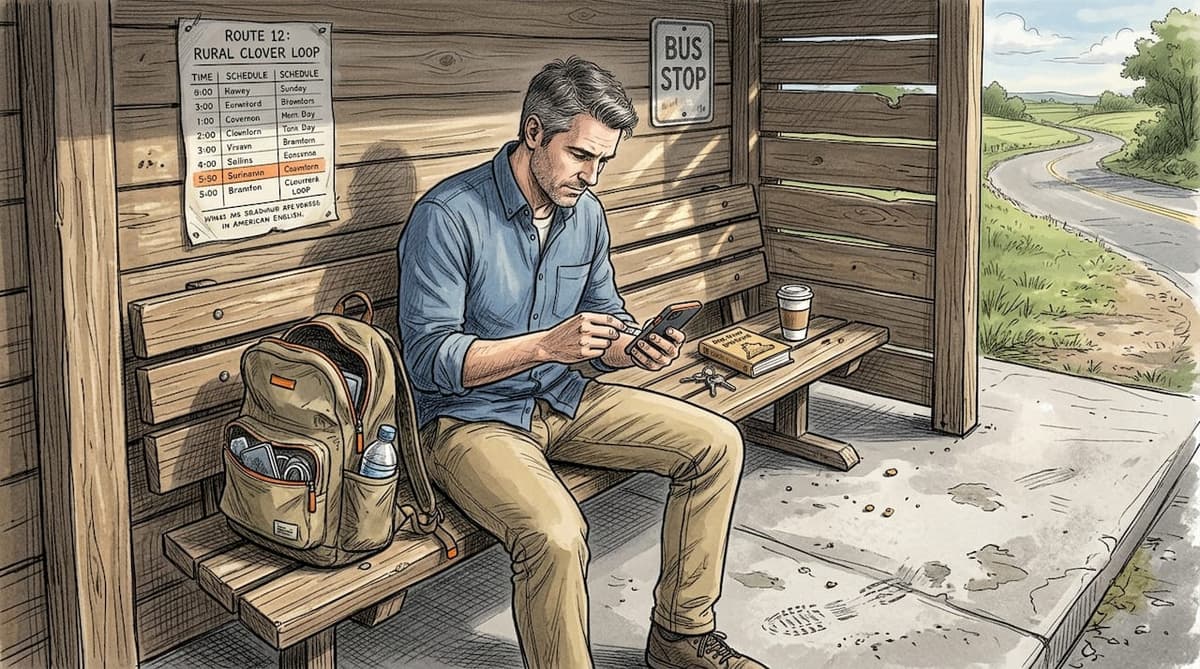
For rural or remote areas, a local physical SIM often provides better coverage than regional eSIMs. And if you’re on a trip under three days or need your home number to stay active constantly, carrier plans can be a reasonable choice despite the cost.
| Problem | Quick fix |
|---|---|
| No signal | Restart phone, switch to manual network selection |
| Slow speeds | Toggle airplane mode, switch to LTE-only |
| Data draining fast | Disable background app refresh, turn off auto-updates |
| eSIM not connecting | Check APN settings, reinstall eSIM profile |
For deeper guidance, choosing the right travel SIM and these smart connectivity solutions articles cover edge cases in detail.
Our take: Why the best solution depends on your travel style
Here’s something most connectivity guides won’t admit: there is no universally correct answer. A digital nomad working across Southeast Asia for three months needs something completely different from a business traveler flying to London for 48 hours.
We’ve seen travelers over-engineer their setup with multiple eSIM profiles for a weekend trip, and others rely on expensive carrier roaming for a month-long stay out of convenience. Both are mistakes driven by following generic advice.
The counter-intuitive truth is that sometimes paying your carrier’s $10 per day rate is the right call. If you need your home number reachable for two-way authentication, urgent calls, or client messages, the simplicity of carrier roaming has real value. The rising eSIM adoption trend is real and compelling, but it works best when it matches your actual trip profile. Be honest about how long you’re traveling, how much data you need, and how much setup friction you’re willing to accept.
Stay connected globally with Lumo eSIM and expert guides
If you want a proven, one-tap solution for future trips, here’s how to get started.
Lumo eSIM global plans cover over 160 countries with instant QR code activation, flexible data tiers, and 24/7 support built for people who are always on the move. Whether you need 1GB for a weekend or 20GB for a month of remote work, there’s a plan that fits. Browse more eSIM guides to find destination-specific tips, setup walkthroughs, and the latest on global connectivity. Staying connected shouldn’t be a project. With the right plan, it takes minutes.
Frequently asked questions
How do I avoid expensive roaming charges on my next trip?
Use a travel eSIM or local SIM instead of your carrier’s international plan. Switching can save up to 90% on data costs for trips longer than three days.
Does my phone need to be unlocked to use an eSIM or local SIM?
Yes. Your phone must be unlocked and compatible with your destination’s network bands to activate a travel eSIM or a physical local SIM abroad.
What’s better for a weeklong Europe trip: eSIM or carrier roaming?
Travel eSIMs almost always win on cost. A 7-day 10GB eSIM runs about $22 versus $84 or more for equivalent carrier roaming in Europe.
How do I troubleshoot slow or spotty data overseas?
Switch to LTE-only mode, turn off background app data, and consider a local physical SIM if you’re in a rural area with limited eSIM coverage.
Recommended
- Mobile Data Roaming: Costs, Risks, and Smarter Choices | Lumo eSIM Store
- 7-Step Avoid Roaming Charges Checklist for Global Travelers | Lumo eSIM Store
- Avoid roaming charges guide: save on mobile data in 2026 | Lumo eSIM Store
- Secure Mobile Data While Traveling: Cut Costs by 80% | Lumo eSIM Store
- Protecting Mobile Data During Repairs: Best Practices – buy2fix
Related Topics
Stay Connected Anywhere
Prepaid eSIM data plans for 180+ countries and territories. No physical SIM required.